Top Ten Least Used Railway Stations in Suffolk | 9 – Darsham

Darsham was opened in 1859 by the East Suffolk Railway Company, which was soon taken over by the Great Eastern Railway.
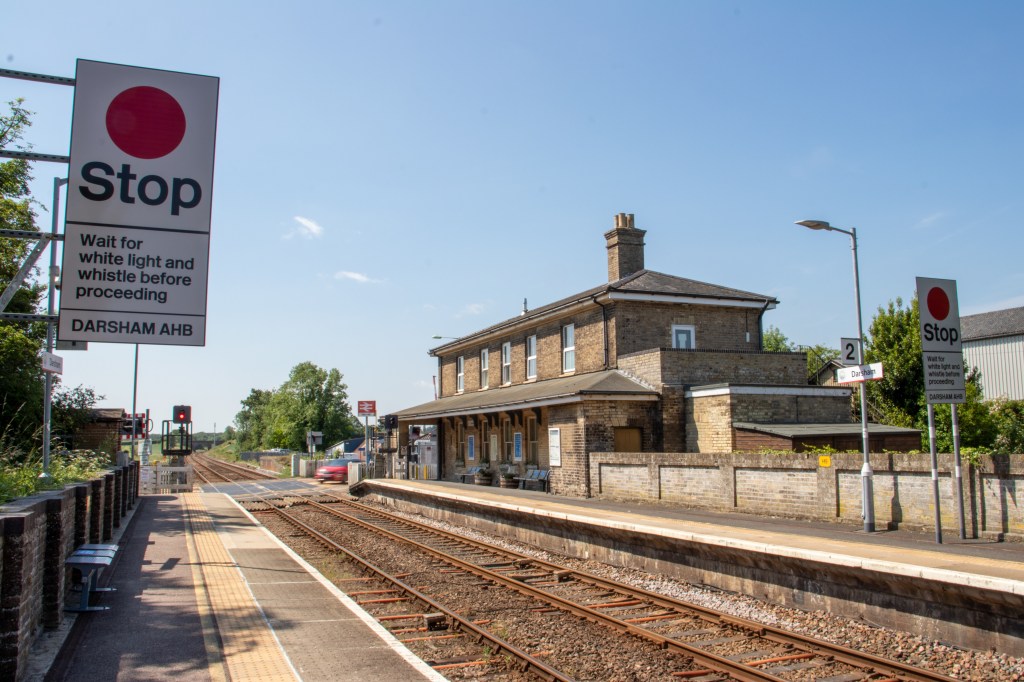
It boasted several sidings in its time, and these remained until 1966 when they were closed due to lack of traffic.  It was also at this time that the station became unmanned, like most adopting the ‘Pay-Train’ system.

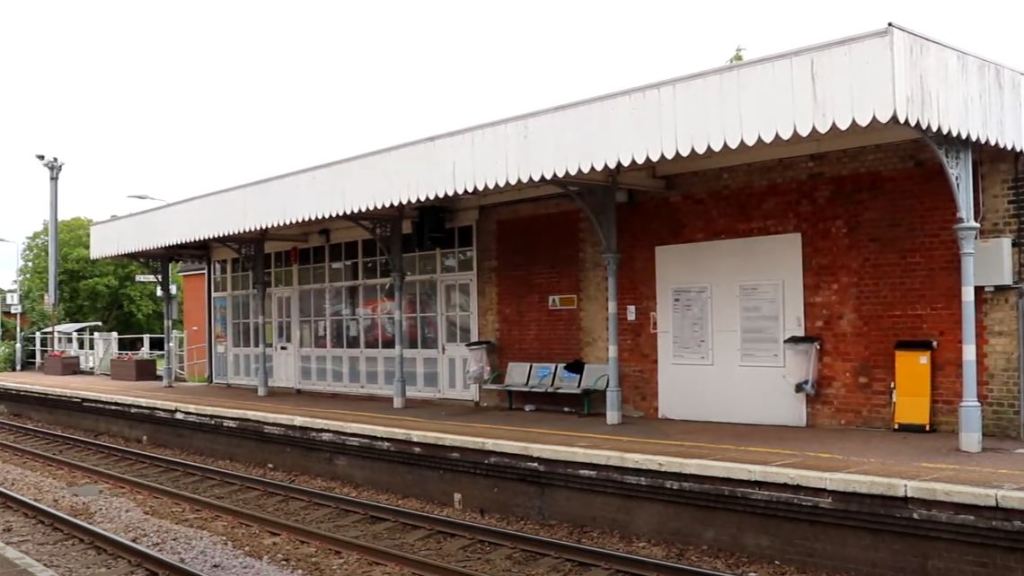
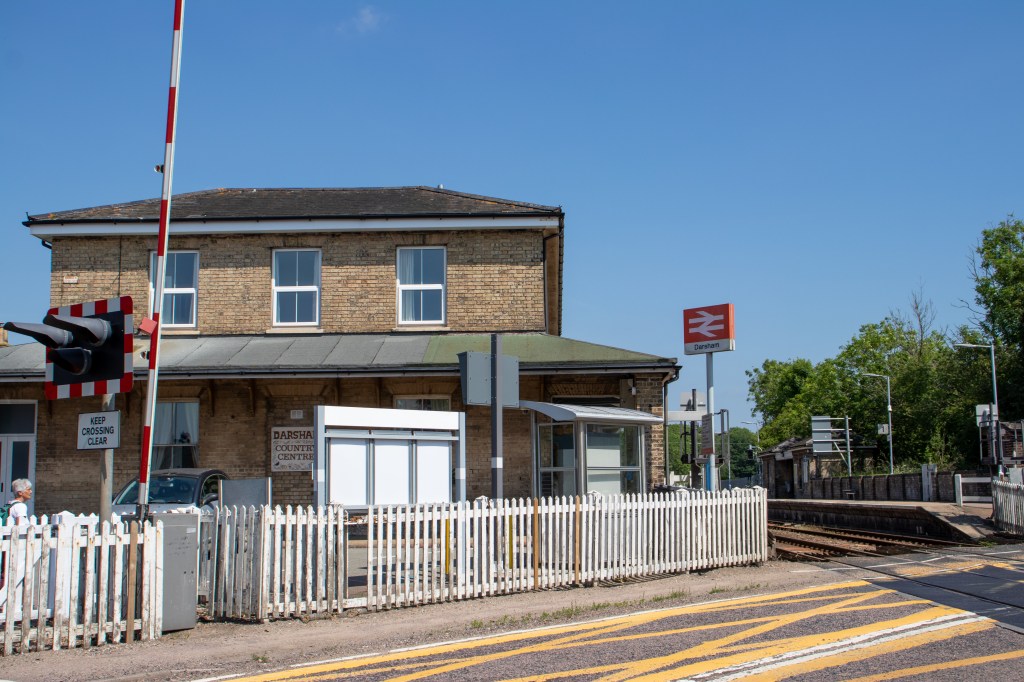
Luckily however the station building still stands today.  It is not however in use as a booking office, but is used by the Darsham Country centre, a subsidiary of the Woodcraft folk.  It is let out to groups, and has accommodation available. It is however great to see the building still being used, and hopefully this will continue for many years to come. 

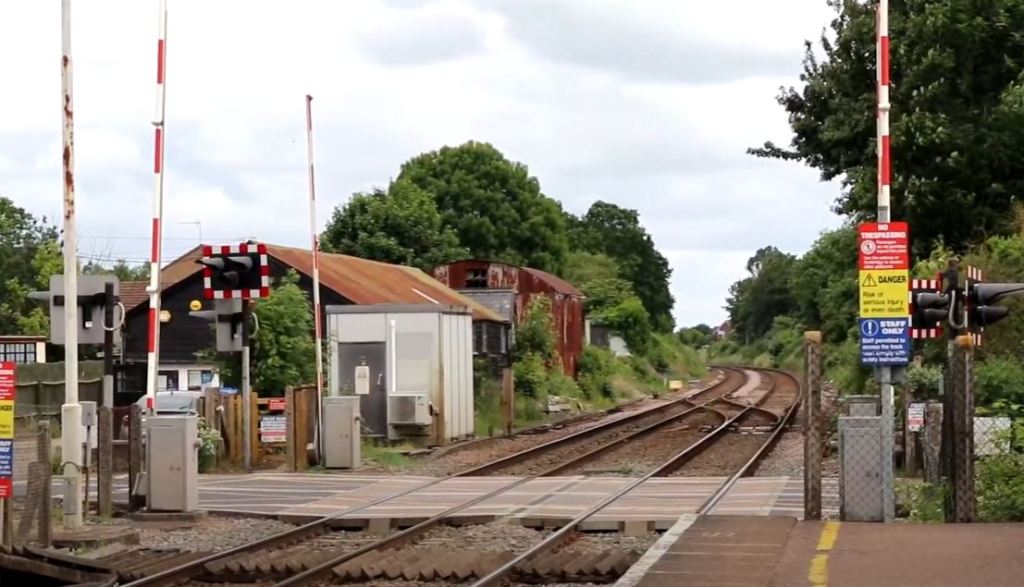
Next to this is the only remaining level crossing on the A12 between London and Great Yarmouth.
Of interest on platform one is what seems to be either an original or at least early 20th century shelter.  It is quite a structure, and as the main station building great to see it still intact, and not demolished for a more modern design.
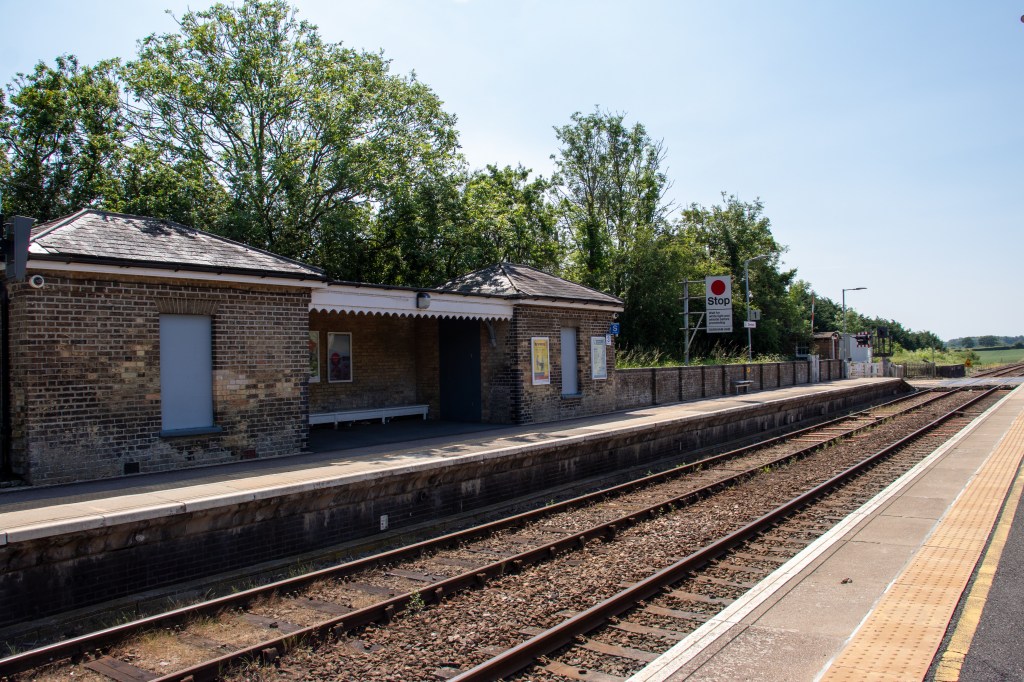
The station has help points, new electric information displays and an electronic ticketing machine. There are no booking office or toilet facilities.

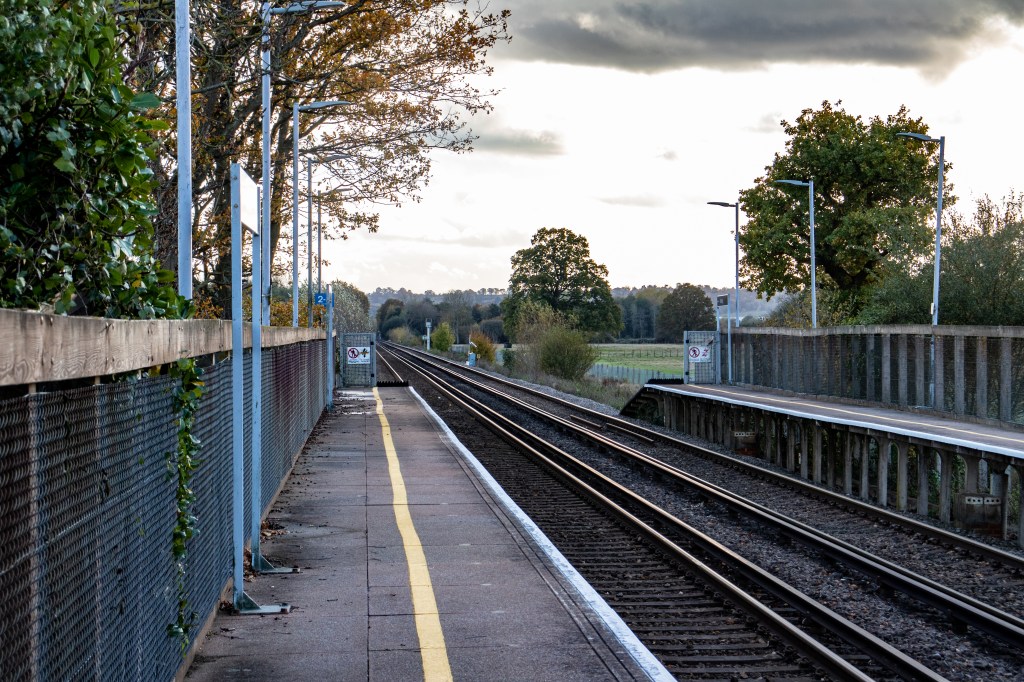
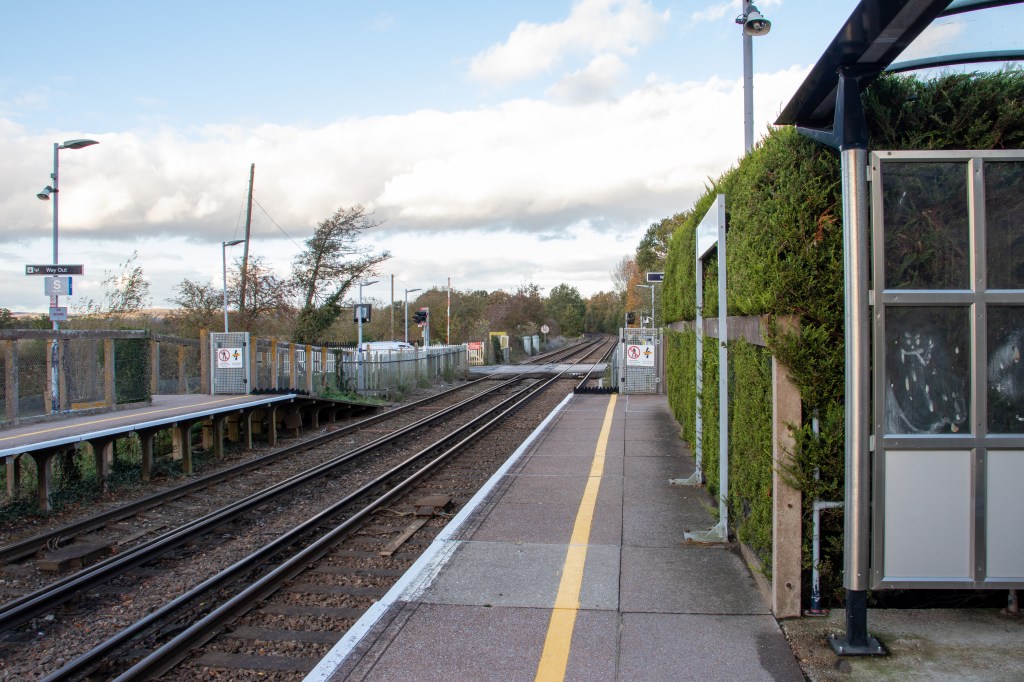
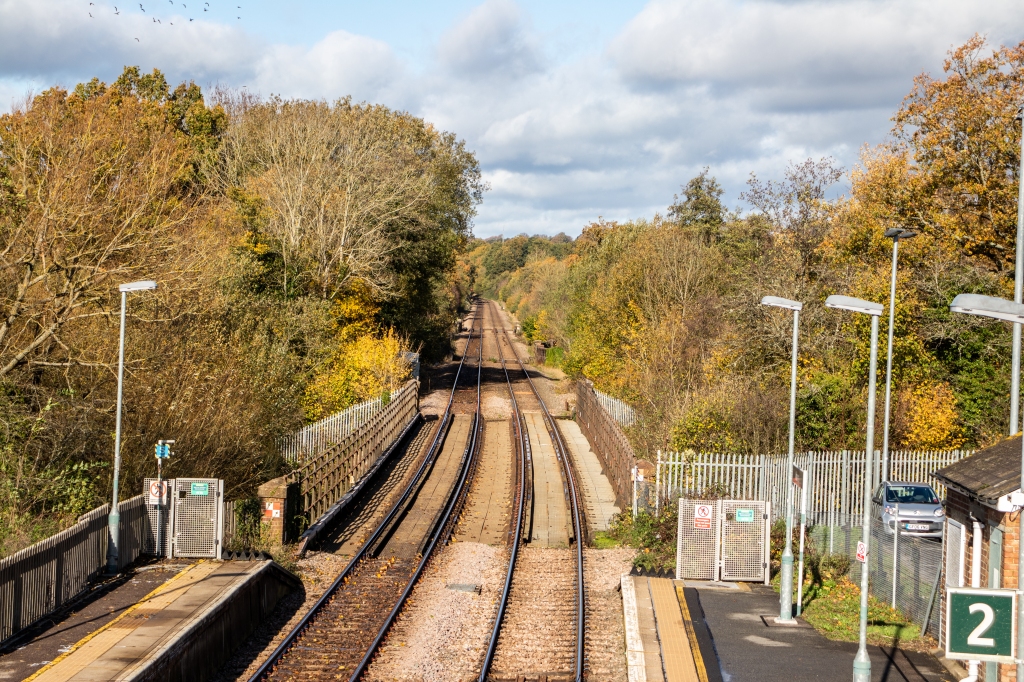
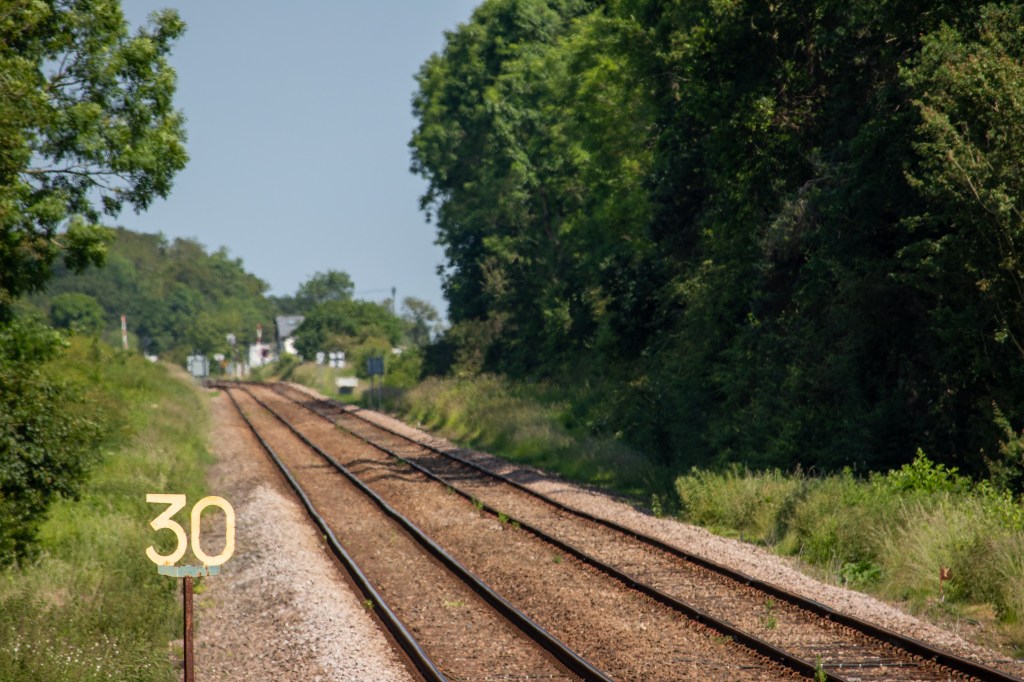
A view here gives us a look at the line as it goes towards Lowestoft.
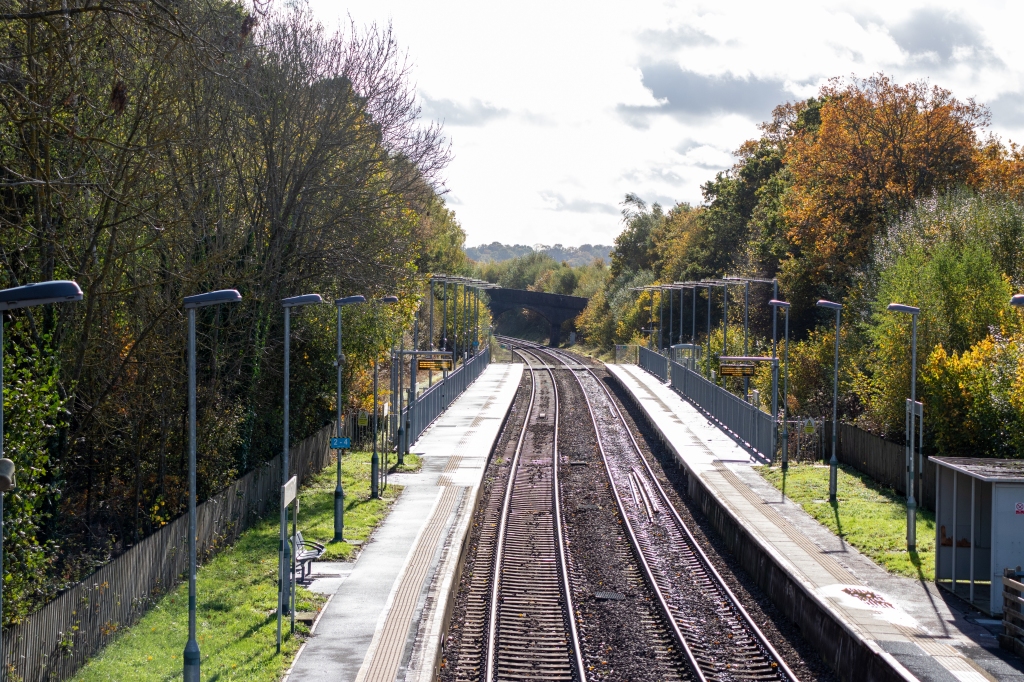
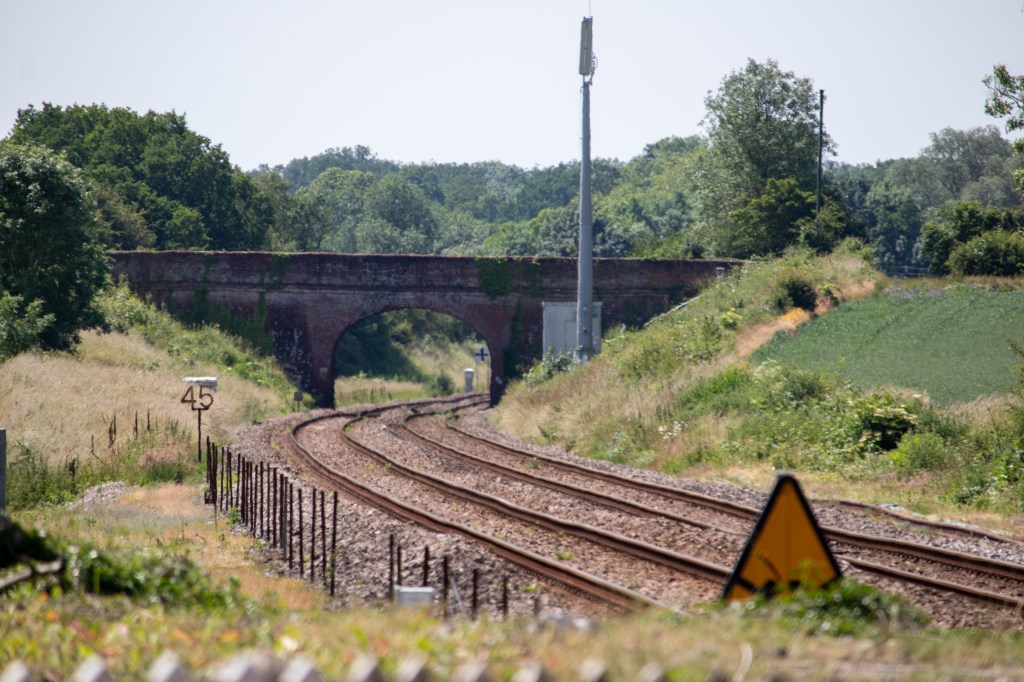
And here is the view of the line as it curves away in the direction of Ipswich.
Passenger entry and exit figures for 2019 / 2020 were 61, 534 .

Darsham, although not that well used, still retains a lot of the charm of a rural station.  Both the main station building and the shelter on platform one are in very good condition, and I do hope this remains the case as it gives this station a lot of character.  The sight lines are excellent for the enthusiast, however the noise from the A12 does impair sound for video recording, but if its photography you are after it’s a great setting.
Top Ten Least Used Railway Stations in Suffolk | 10 – Elmswell

A large village between Stowmarket and Bury St Edmonds, Elmswell is certainly deserving of a station with a rich history of manufacture.

The line was opened by the Ipswich and Bury railway company in 1846, serving the towns of Bury St Edmonds and Ipswich. A lavish station building on the Ipswich side was built and opened at the same time.

The station passed onto the newly formed Great Eastern Railway in 1862, who added a waiting room and toilets on the Bury St Edmonds side of the station.

In the early 1900’s, a line ran from the sidings to the west of the station to the Woolpit Brick Company, which famously produced white bricks. It used three steam locomotives. Other companies which used siding space during the 1900’s were a bacon factory, Beer & Sons and St Edmundsbury Co-op. Due to lack of traffic, the yard closed in 1964.

Elmswell became an unstaffed halt in 1967, and ‘Pay-Train’ working was to be introduced on the line. Unfortunately the main station buildings on the north platform were demolished in 1974 and the signal box succumbed to the same fate in 1986.

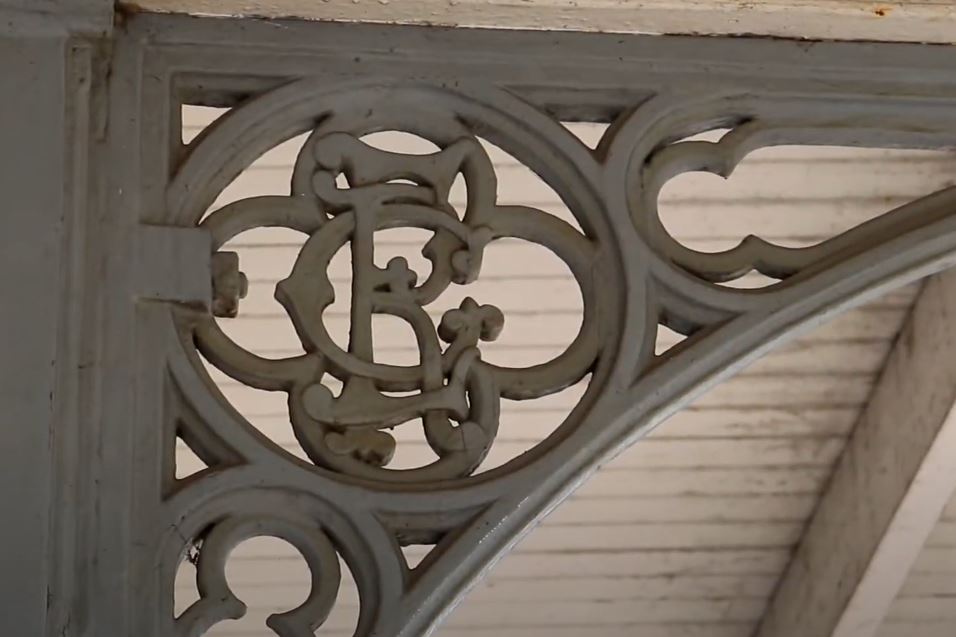
However, the buildings on the other platform remain. These still retain the Great Eastern Railway marking on the canopy steel works, and look to have been freshly painted when I visited in 2021.

The actual building is being let out as business space, and I was pleased to see them being used.

Behind these buildings is a very small car park, perhaps for only 3 or 4 cars. The level crossing has for some time been fully automatic. The rest of the station has small waiting shelters, help points, regional and local maps. There is even an amazon pick up point on platform one. Flower boxes enhance this little station, and it is clean and tidy throughout.

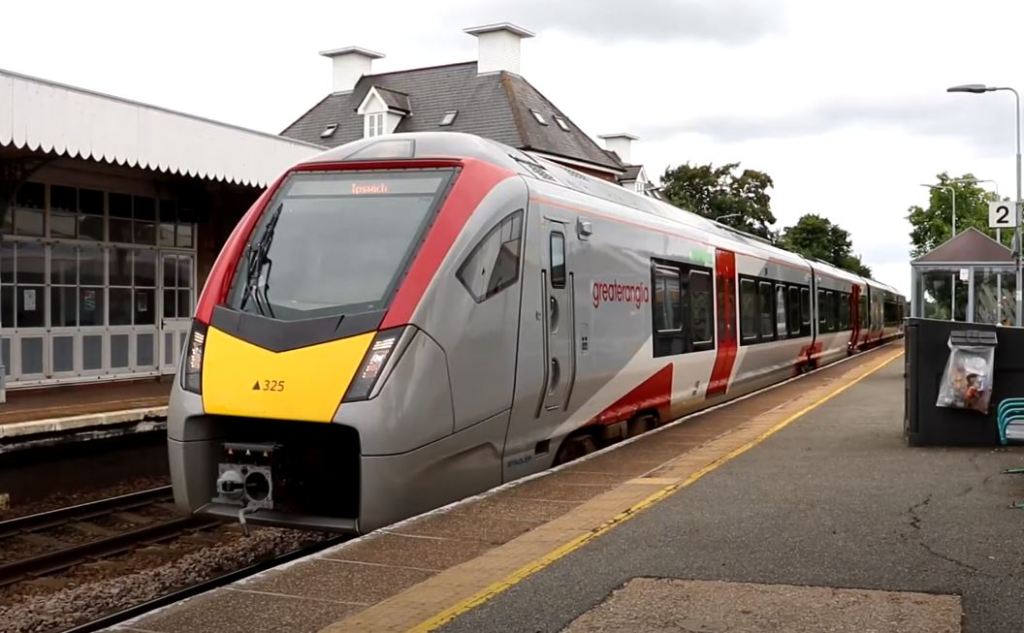
Passenger traffic at time of writing is provided by class 755 Bi-Mode Units. There is quite a lot of freight based traffic to and from Felixstowe also, mainly hauled by class 66 Locomotives.

Entry and exit figures for 2019 / 2020 were 71, 050.

Elmswell is a functional station, and even if the main station building has gone, the other smaller building complete with its nods back to the past helps keep the history alive

Below is the vlog I shot for this series, there is a link at the end to the playlist for the whole series, I hope you enjoy watching it.

2022 on Rainham Rail Enthusiast

Well, here we go again, let us hope for a better year out on the railway. Signs are that as we go through this year, more may be achievable.

I am hoping to continue with my along the railway line series on my YouTube channel, as well as importing ones I have already done to this Blog at some point. This will be a time consuming job, but it would be nice to have both a print and video version of these station looks. So what’s in store for 2022?


ALONG THE RAILWAY LINE SERIES (YouTube series)

Regarding this series, the lines I am aiming to do are :

Medway Valley Line – looking at the stations which were not visited in the Least Used railway stations in Kent series.

Ashford to Ramsgate Line

Kent Downs Line (Maidstone East Line)

Stations of the Darent Valley CRP

Worth noting that I will still be using 2019 / 2020 ORR statistics for the passenger numbers. This is because they are the most recent accurate figures available. Because of the pandemic, later figures are very skewed, and so I will use these until the situation becomes (fairly) normal again.

Doing those would almost complete the lesser used stations in Kent, the rest I will probably ‘mop up’ in 2023.


TOP TEN LEAST USED STATIONS IN….. (YouTube Series)

Another instalment in my Top Ten Least Used Station series will take me up north, to Merseyside!! Looking forward to really getting out of Kent, and seeing some Northern Stock.

Worth noting that I will still be using 2019 / 2020 ORR statistics for the passenger numbers. This is because they are the most recent accurate figures available. Because of the pandemic, later figures are very skewed, and so I will use these until the situation becomes (fairly) normal again.


OTHER SPECIALS

The most obvious railway line to visit will be (if it opens!!) the core section of the Elizabeth Line, from Abbey Wood to Paddington. I would love to be on the first train, but nevertheless I will showcase all the stations on this central core of the line.

These are the main points of the year, other surprises may pop up, you never know!! I am also trying very hard to keep this Blog site up to date, and hopefully push the YouTube channel up to that magical 1000, so that I can monetize and help fund my trips out and about.

So may I wish all that read and follow me both here and on YouTube a very Happy new year!! And If you are new to the blog and channel, please enjoy my content, and a happy new year to you too.

Just leaves me with my tagline:

If you can, get out there, get on the railway, and see where it takes you

Top Ten Least Used Railway Stations In Kent : 3 | Beltring

Beltring was opened in 1909 by the South Eastern and Chatham Railway as Beltring and Banbridge halt. These small stations were put along the line mainly to serve small rural locations, which would only be served otherwise by local trams.

railway station

Station buildings on such halts did not exist, but they did provide waiting shelters on both platforms, and their modern equivalents are still provided today.

railway station

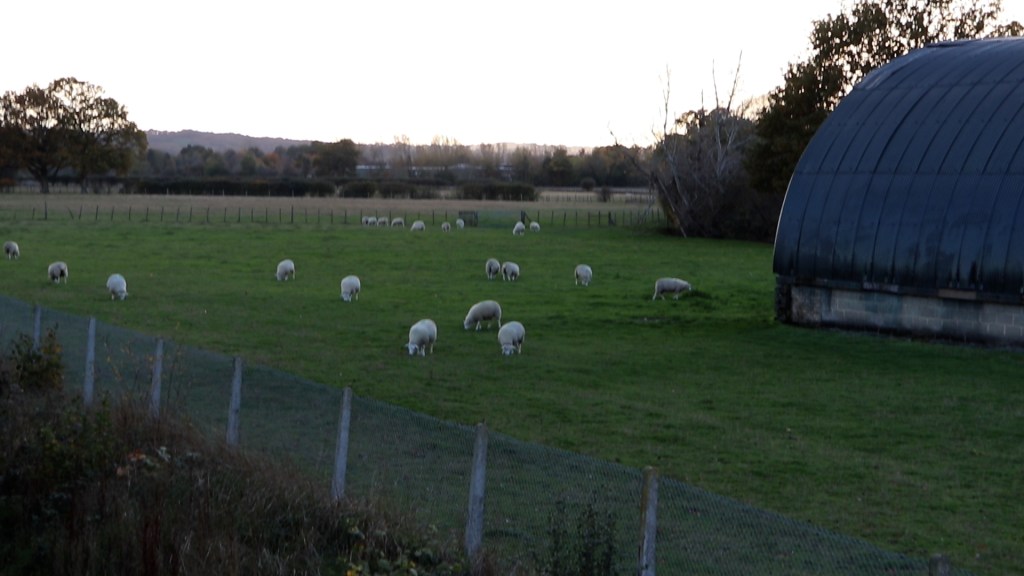
A small siding for local goods produced by farmers was placed behind the London bound platform, and existed right up until 1961 when the line was electrified. Where the siding once stood, a farm exists today.

sheep in fields

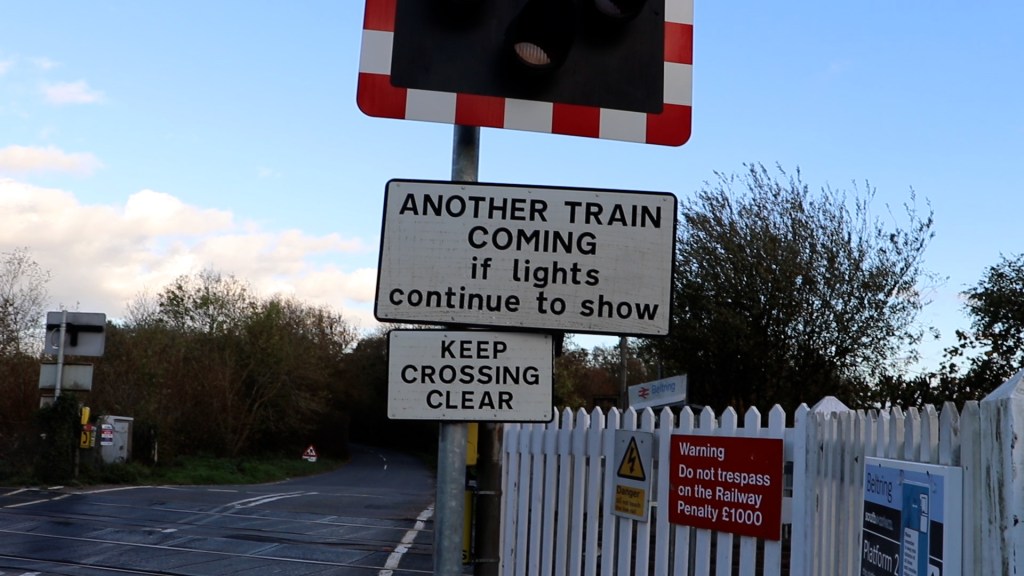
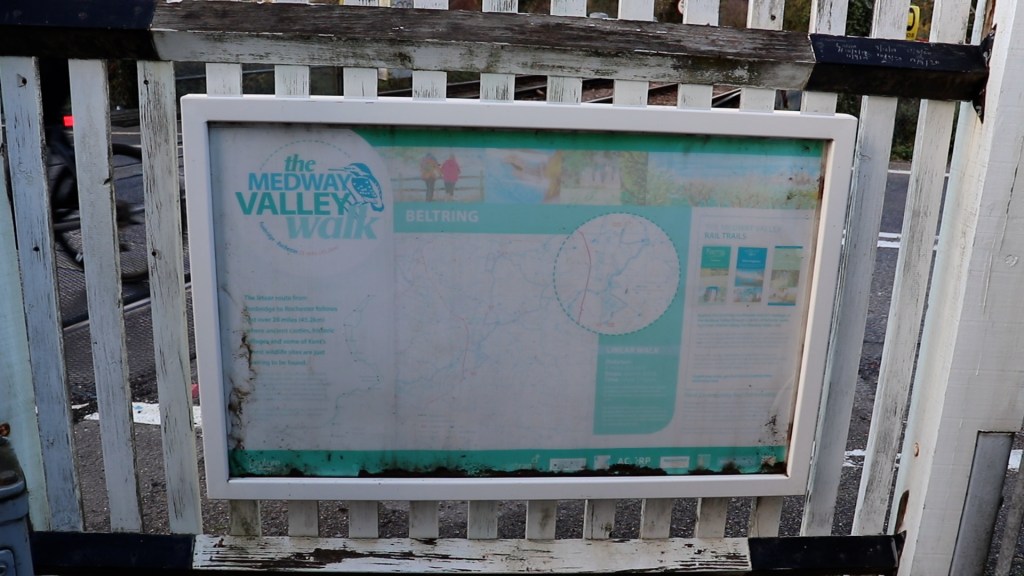
The only way to cross to either platform is by the road level crossing. Along the platforms, many posters can be seen and some detail the Kent Rail Partnership and walks which can be taken from this station.

level crossing
notice board railway

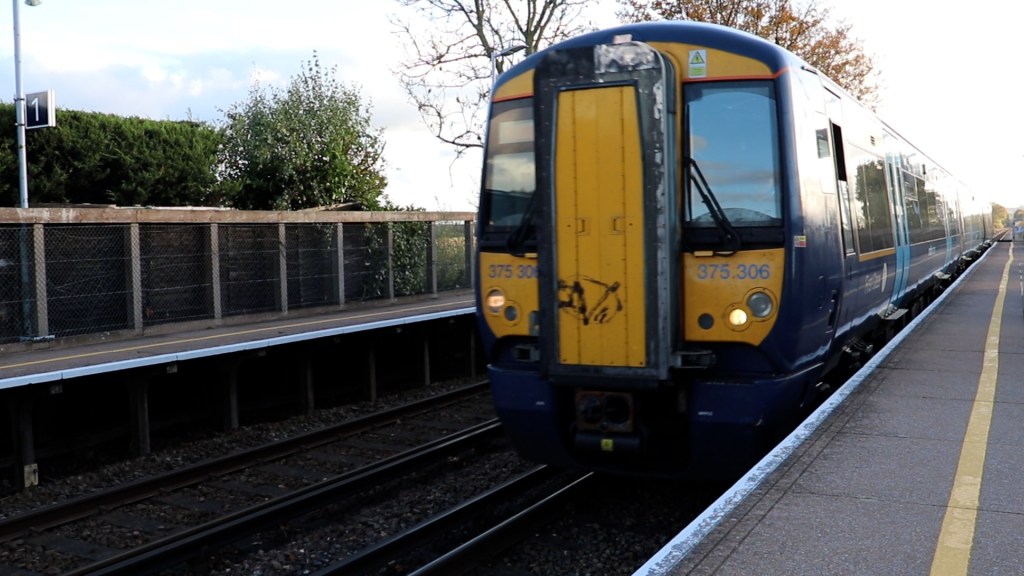
Being one of the most rural stations on this list, the nearest housing estate being 20 minutes away, Beltring is certainly a niche station. However, it does provide fantastic straight line views both up and down the line, allowing enthusiasts good photographic opportunities of both passenger and freight services which frequent the line. Just remember that as with the majority of these smaller stations, there are no toilet facilities.

uk train

Here is a video of Beltring, made as part of the “Least used stations in Kent” series I produced on my YouTube channel.

Many thanks for reading, and if this has interested you, please feel free to view other sections of my Blog, or even give my YouTube channel a visit. Thank You.

Top Ten Least Used Railway Stations In Kent : 6 | Dumpton Park

Opened in 1926, the station was opened to facilitate a reduction in lines between Ramsgate and Margate. The station was quite a lavish affair, identical to that at Broadstairs. The station platforms were reached by use of a covered walkway, which lead to a lift down to the platforms. The space for the lift can still be seen in this photograph:

In 1936, close to the station, the line down to Ramsgate harbour was re-opened. This was commonly known as the ‘Tunnel Railway’, and helped boost passenger numbers to Dumpton Park. However with its demise in 1965, the fate of Dumpton Park seemed to be sealed. I will cover the tunnel railway hopefully later this year (2021).

Once the Tunnel Railway closed, passenger numbers steadily dwindled at Dumpton Park. The station building was un-ceremonially demolished in the early 1970’s, and soon after the lift shaft and canopy roof over the bridge disappeared.

What is left today is a pretty sad mono-platform, only accessible by the steps off the footbridge. It does have an electronic ticket machine, posters and a help point, but all of the charm has gone. A housing estate now surrounds the entrance, which is easy to miss if you don’t know where to look.

Towards Ramsgate

Towards Broadstairs

Stopping passenger traffic is (at time of writing) class 375 Electric Multiple Units. There are various through trains throughout the day (mainly Class 395 ‘Javelin’s’). Freight is mostly non existent, with some engineering trains mainly during the weekend, if work is going on in the area.

A video from my YouTube channel is below, if you wish to view.

Many thanks for reading. Please visit and subscribe to my sister Vlog channel on YouTube by searching for rainhamrailenthusiast.

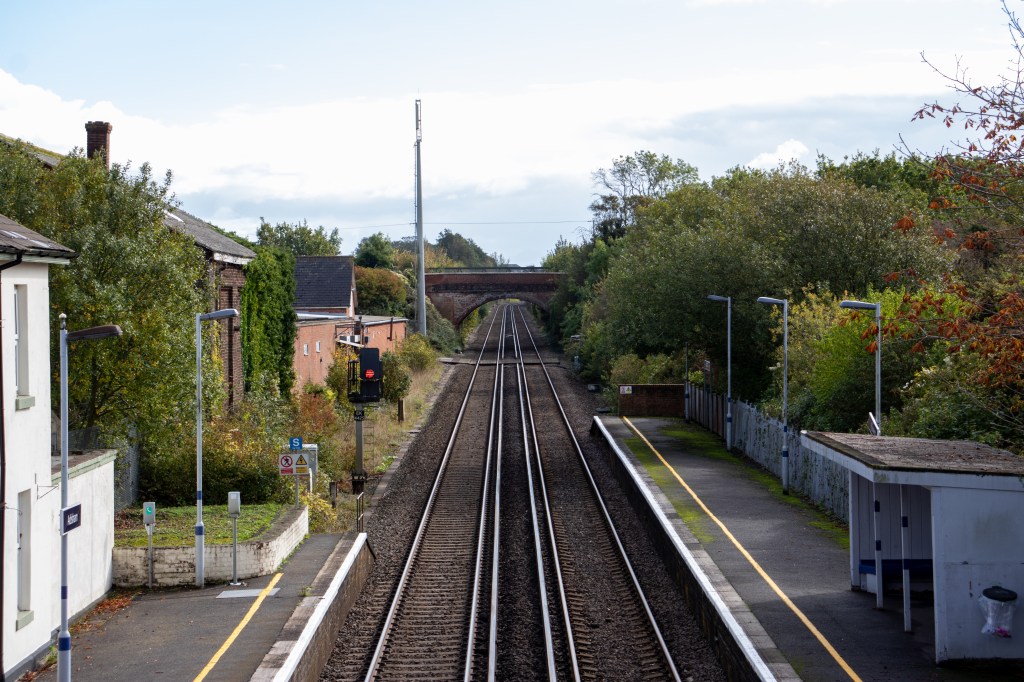
Top Ten Least Used Railway Stations In Kent : 7 | Adisham

Adisham was opened in 1861 by the London, Chatham and Dover railway. The station building was a virtual replica to that found at Sole Street, with an all over white paint finish. Situated on Dover “Down” side of the line, it still sports its original and unusual Chimney vents, as can be seen below.

There was a small shelter put onto the London bound side. A goods shed was put to the south of the main building on the “Down” side, a structure which still stands today (in the middle to the right in the picture below), although it is now used as business premises.

A signal box of grand design was put on the “Up” side around 1878. Being of a timber construction, it was higher than the main building, and was quite an unusual design. Unfortunately it was removed in the early 2000’s, a casualty of the re-signalling of all the line.

The station used to be quite busy, being on the line which served many of the Kent Collieries. But with the closure of these in the late 1980’s, passenger traffic has substantially declined, but it still regularly commands passenger entry and exit numbers of between 25 and 27 thousand per year.

Saying that, here are the figures for Adisham. The station at time of writing gets 2 trains per hour in peak hours, and 1 train per hour off peak and at weekends. Freight or engineering trains are rarely seen. According to the ORR figures of 2018/2019 it had 27,600 exit and entry’s. Stopping services are provided by class 375 Electric Multiple Units.

A video about Adisham can be found on my YouTube channel, which you can view by clicking on the link below :

Many thanks for reading. Please visit and subscribe to my sister Vlog channel on YouTube by searching for rainhamrailenthusiast.

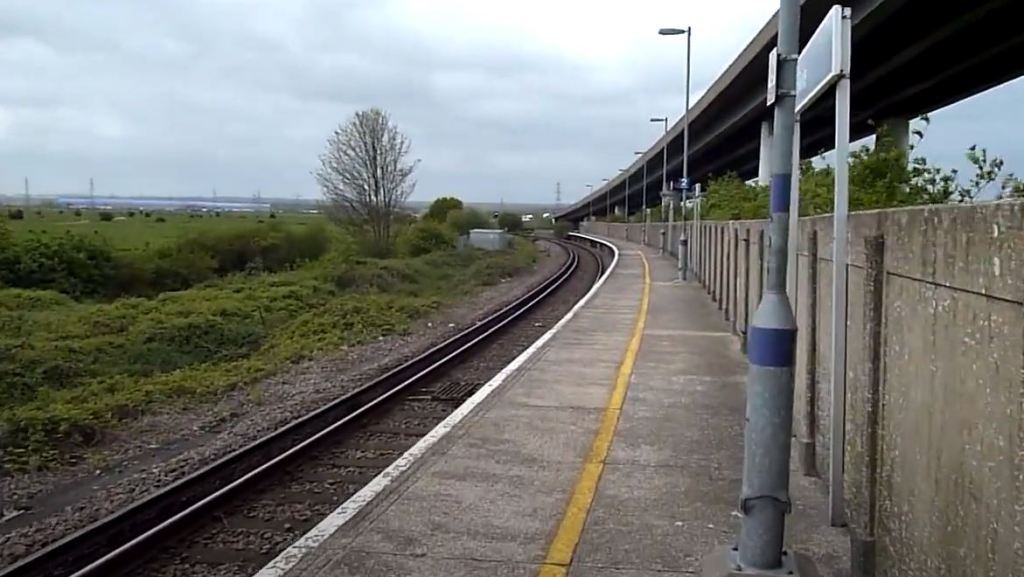
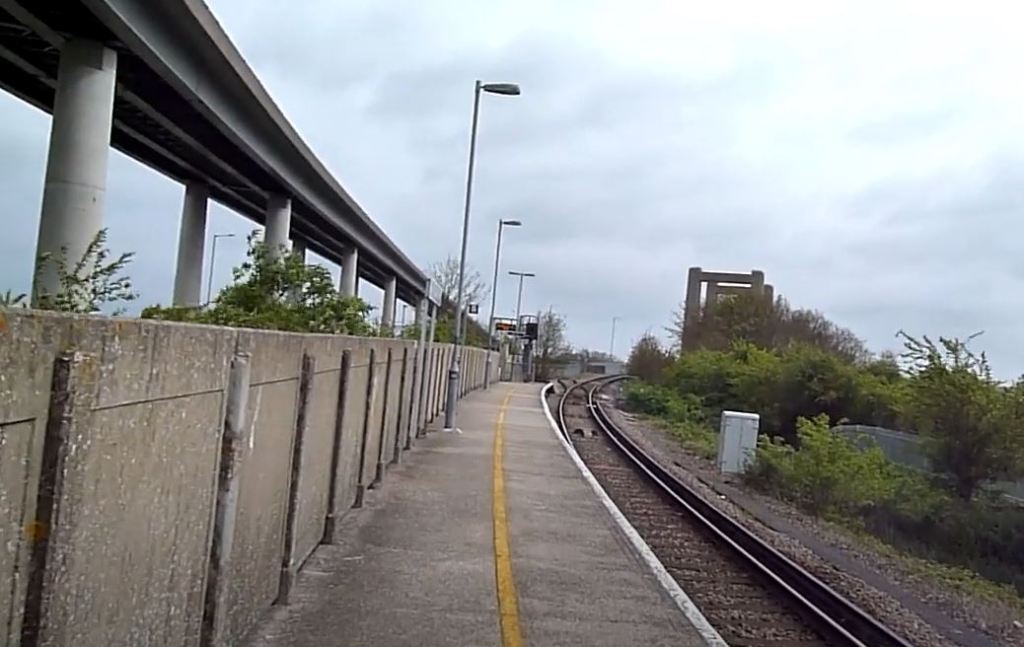
Top Ten Least Used Railway Stations In Kent : 1 | Swale

Swale really is remote, no real housing or commercial buildings are nearby, and it is amazing it is still used. However it does have an interesting and important part to play in the history of the line.

The station was opened in 1913 as Kings ferry bridge halt, and as such had no station building, just a couple of small huts for shelter. It traversed the River Medway over a bridge, but after a ship collided with the bridge in 1922, it was deemed unfit for railway traffic.

This meant that passengers were required to exit this station and walk over a temporary bridge to another station which had been provided to continue their journey.  This change meant the renaming of the station to Kings ferry bridge south halt.

It was renamed again in 1929 to Swale Halt when the railway bridge reopened after repairs, and continued with this name until a new bridge was opened in 1960, when it became known just as Swale station.  The station is very remote, the nearest village being Iwade, which is a 25 min walk away.

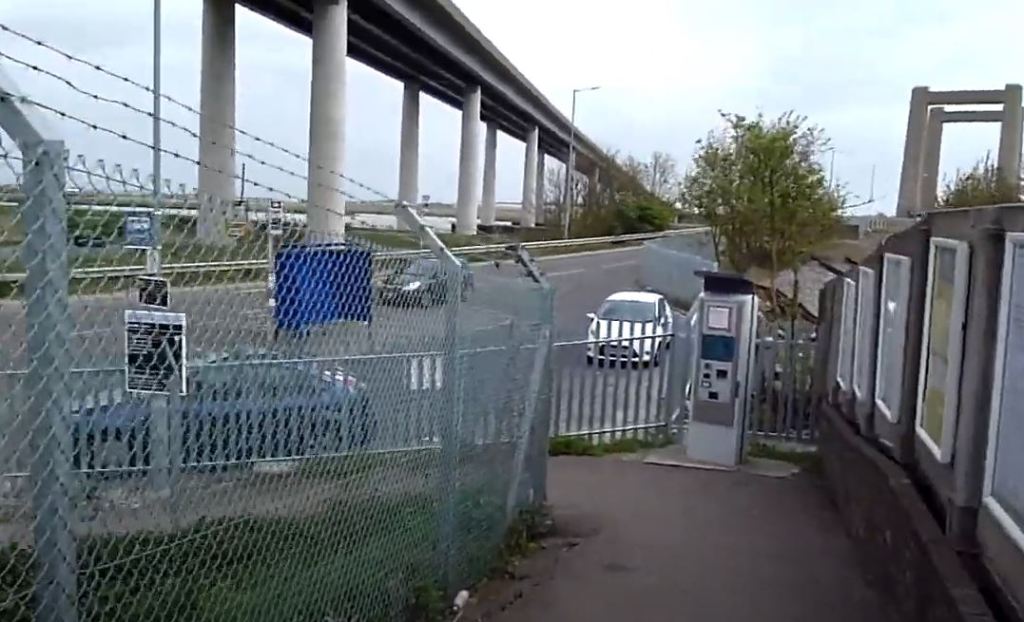
There is one dot matrix display, positioned at the top of the ramp which from the very small car park (which is in fact where the replacement bus service would pick up and set down.  At the bottom of this ramp is an electronic ticketing machine.  Turning back to walk up the ramp, on your left are various poster boards.

These include timetables, service information, a board for the Kent community rail partnership and of course an onward travel information board.  Like others on this list, there are no other facilities here. Trains at time of writing are class 375 electric multiple units.

Passenger entry and exits for 2019 / 2020  were 8, 044. I am using these figures as the figures for 2020 / 2021 are skewed due to the pandemic, and so are unreliable.

The video for Swale, recorded before the Class 375’s took over the line can be seen below.

Top Ten Least Used Railway Stations In Kent : 9 | Yalding

This time, I am on the Medway Valley line, visiting the 9th least used station in Kent, Yalding. Opened in 1844 as a platform only station, its first station building opened in 1846. At first access to both platforms was via a track crossing.

The original building was destroyed by fire in 1893, and the replacement building was opened in 1894. This still stands today, however it has been boarded up in recent years and is no longer in use. It would be nice to see a small shop open, but I am unsure about how busy this could get. Still it seems a shame that such a substantial building is left empty.

A signal box was positioned beside a level crossing and the station building, but this closed in 1986 and has now unfortunately been removed. A footbridge across the platforms was added in 1895 and happily still survives.

Below is a view from the footbridge towards Maidstone

And here is a view towards Paddock Wood

For track views Yalding is a fantastic place. Freight and engineering trains are quite often on the route, check the Real Time Trains website for up to date details on workings. The straight track towards Paddock wood gives great views of all types of workings, whereas the Maidstone bound side has a great curve after the station for side on views. Couple this with mandatory horns because of foot crossings, and this is a great place to view freight.

Below is the Vlog associated with this post.

Many thanks for reading, please search for Rainham Rail Enthusiast on Facebook Instagram and YouTube.

Top Ten Least Used Railway Stations in Kent 10 | Ashurst

Part of a new series on my YouTube channel, I visit all the top ten least used stations in Kent, starting with Ashurst.

Opened in 1888 by the London, Brighton and South Coast Railway, the station is at time of writing operated by Southern, a subsidiary of Govia Thameslink.

It has a reasonable sized car park next to it, one of only a handful on this list, and the overall setting is very pleasant. Below you can see the view along the tracks towards London.

Here is a view towards Ukfield. The line is actually known as the Ukfield branch of the Oxted line. Class 171 Diesel Multiple Units operate on the line at the time of writing.

The station has the usual help points, dot matrix displays, and two wooden shelters. There is also an additional modern shelter on the London bound platform.

A very pleasant station, with good views for the enthusiast, however traffic is mainly passenger.

For a full overview of the station, please view the YouTube video below.

Ill blog again next week with mini overview of the next on the list. Many thanks for reading.

This Train Terminates Here : My Debut Book!

Well, it is finally out of the bag, so to speak. My first book is now available to order on Amazon. I decided to self publish, and that was an eye opener let me tell you! I have learnt so much in the last year and three quarters since I started it, and I hope the finished result is going to be enjoyed by a few people at least.

But what is it about? Well here is the title:

‘This Train Terminates Here : London Railway Termini Up To 2020’

The book not only gives brief histories of the 14 London termini, but also gives a walkthrough of each one, highlighting the many statues, sculptures and plaques along the way.

I hope that anyone who reads the book will come away with better knowledge of these fantastic stations, and maybe will be tempted to visit one or more of them to see the articles themselves. I see the book as a snapshot of the current termini, as many may not be the same in the future (especially Euston).

Below is a link to the book, as well as a few photgraphs of the book, just to give you an idea.

Many thanks for reading. If you enjoyed this, please search for Rainham Rail Enthusiast on YouTube, Facebook and Instagram, Thank You.