London Termini – King’s Cross

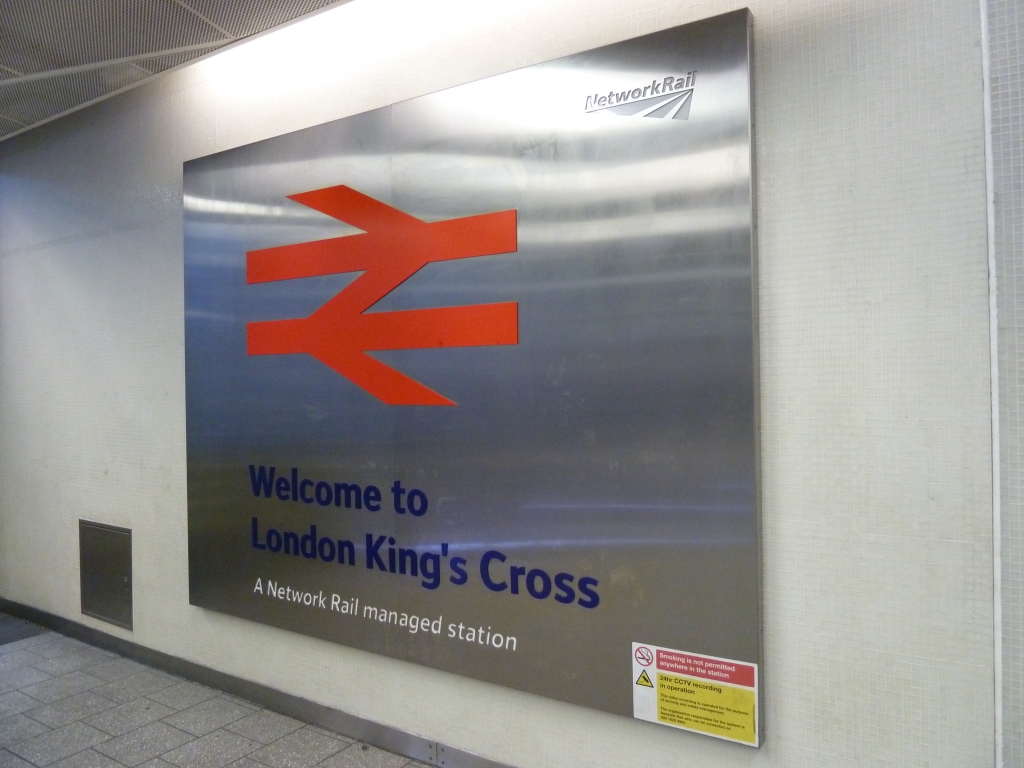
Signage in the underground station

King’s Cross; for a lot of people the station symbolises two very different train services. One steeped in history – The Flying Scotsman – the other pure fantasy – The Hogwarts Express. Whilst one is real and the other fictitious, it is fair to say that if you mention Kings Cross to many of the public, they will utter either or both of them.

A brief history

A practical station for a practical railway. That is how the Great Northern Railway saw it when they opened it in 1852. A station with a modest frontage, made from yellow London bricks and a wooden roof, complimented with two 100ft roof spans over the platforms. These roofs being supported by brick pillars, today in the centre of island platform 4 and 5.

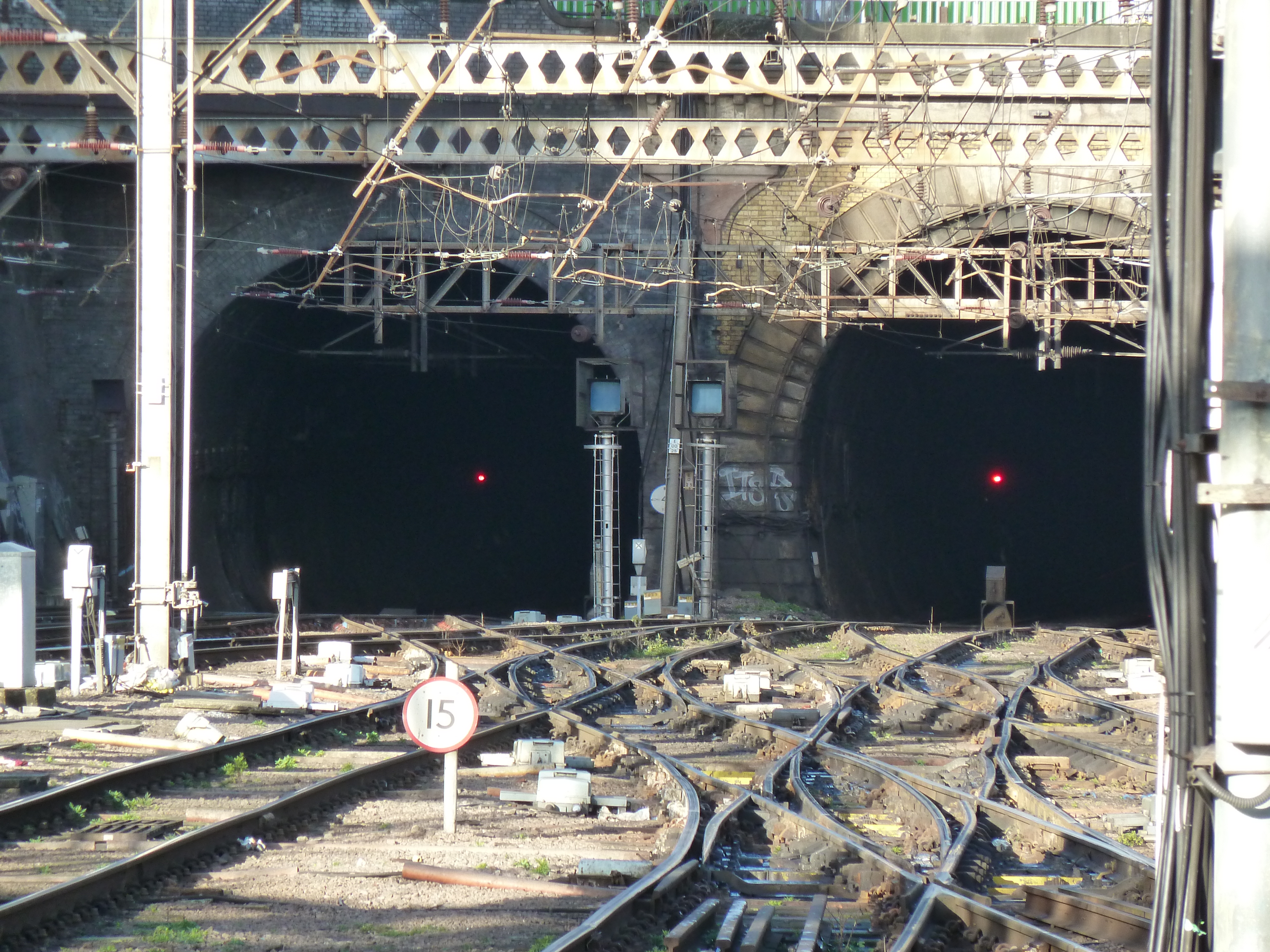
Trains enter and leave the station via the Gas Works tunnel, which passes under the Regent’s Canal. A major goods yard for coal was also contained within the station, although this does not remain.

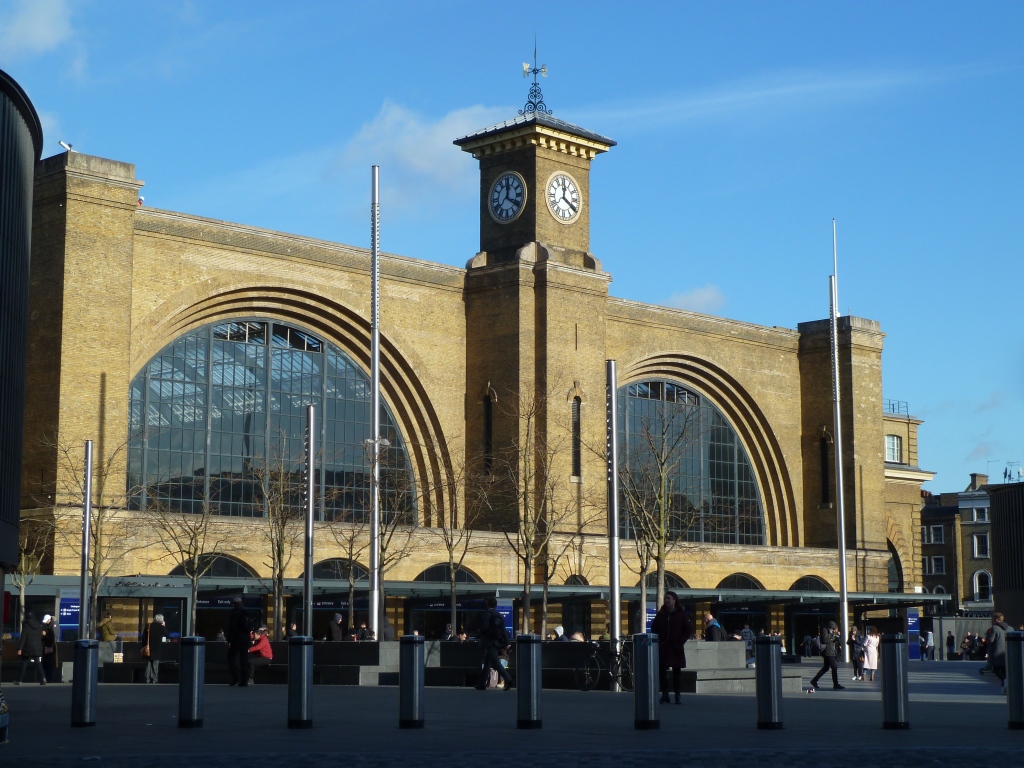
It looked totally at odds with St Pancras next door; that station when opened 16 years later was oozing with grandeur. A clock adorned the front of the building, and quirkily was rumoured to never have the same time showing as that of its neighbour at St Pancras. King’s Cross as a railway station, however, would for the majority of the next 150 years be the more successful of the two.

For all the footfall though, the station remained unloved for a long time. Indeed in the 1960’s, the square out front was partially covered with a new travel centre for British Rail. This however obscured the lower half of the original frontage, and looked at odds with it.

A quick view of the current station

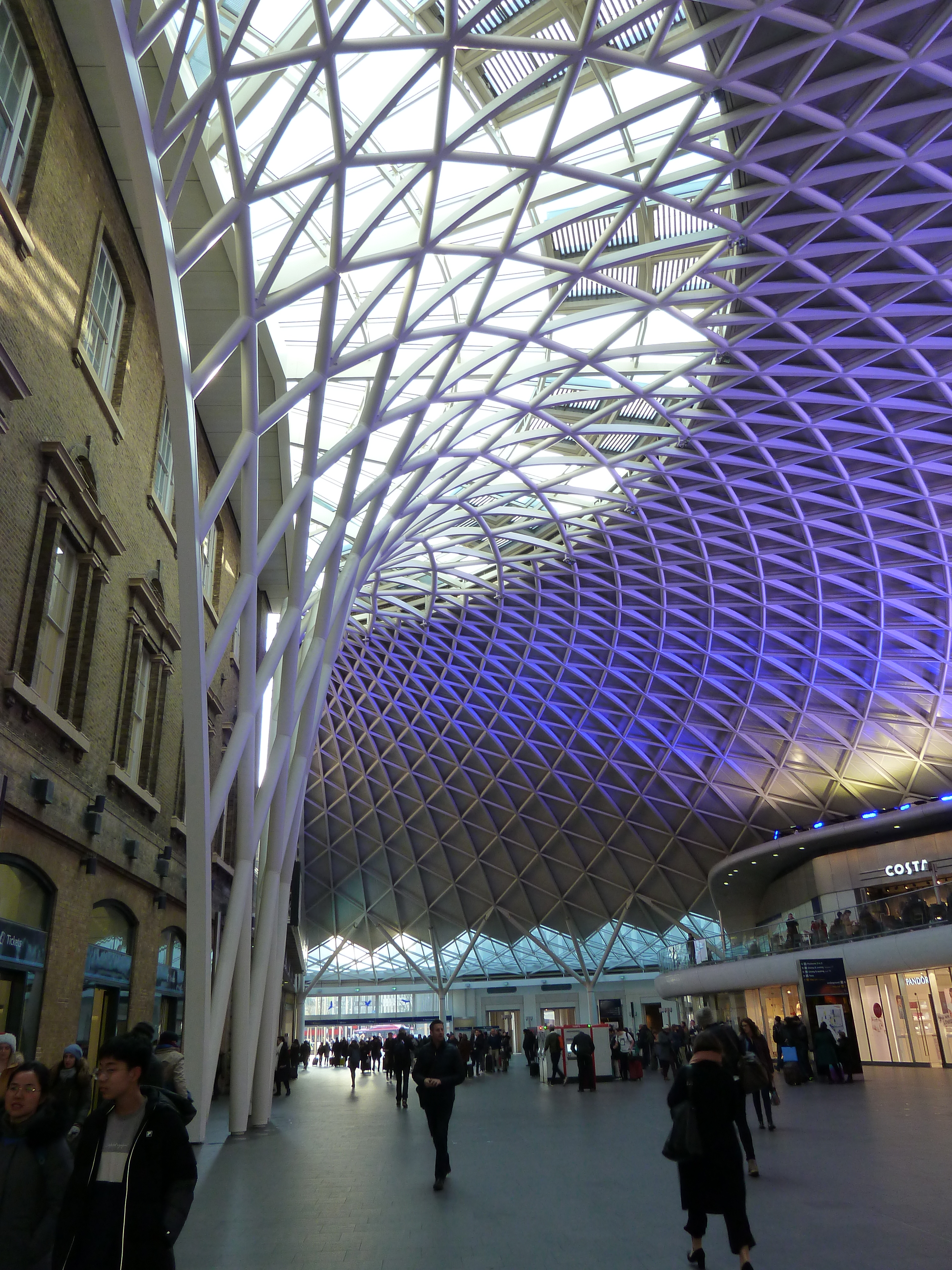
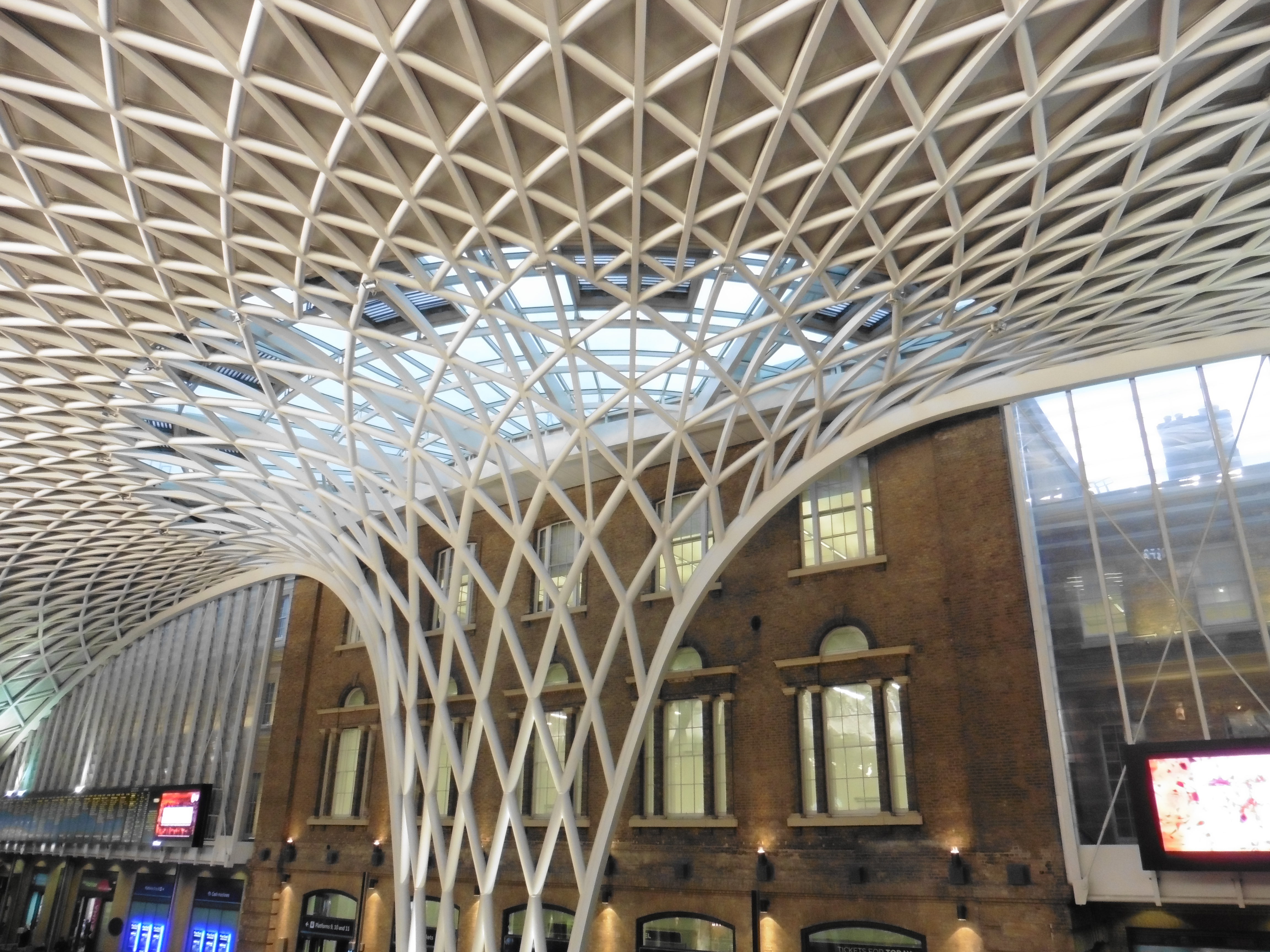
In 2007, work started on a new concourse, and what a unique structure it is. A single rising 150ft “Diagrid” roof, underpinned at its base down 50ft. It spreads out like a metal web, encapsulating the new concourse with its shops and bars. The feeling of space even during the busy periods is amazing, and differing colours are sometimes projected upon it.

The travel centre was removed, enabling the square to be reinstated and the full frontage to again be seen. To the left side of said frontage, an entrance to the new concourse can be seen. Going through this, the superb new roof opens up in all its splendour. Immediately to your right are entrance gates to the platforms, to your left are escalators up to a mezzanine level This contains a seating area and eating and drinking places.

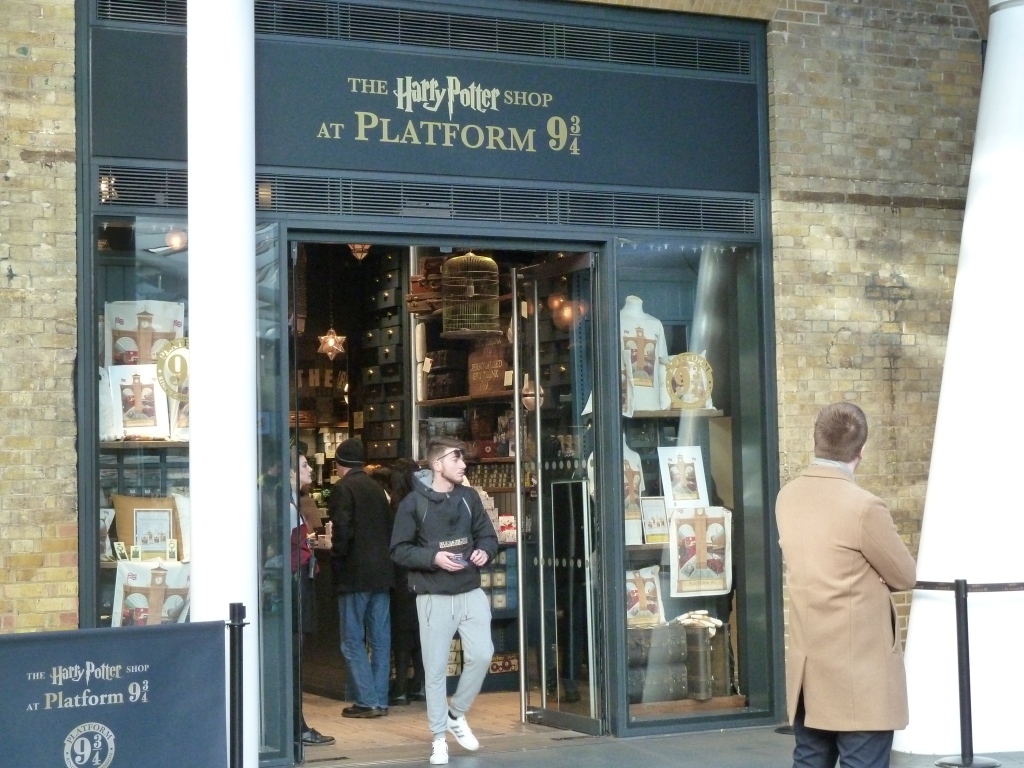
Going back down to floor level via the escalators on the other side of the mezzanine, if you turn right, you will see arrivals and departure boards, and underneath the new travel centre. To the left of the travel centre is the Harry Potter shop, with a photo opportunity platform 9 3/4 area.

Going under the mezzanine, more shops on both sides as you are then greeted with a glazed front, from which you can see St Pancras International. Stairs down to the Underground are also here, one of many access points to the labyrinth of tunnels which form King’s Cross St Pancras underground Station.

Pictures below were taken on 22nd January 2019, and thanks goes to the station manager and Network Rail for enabling me to photograph extensively on that date:
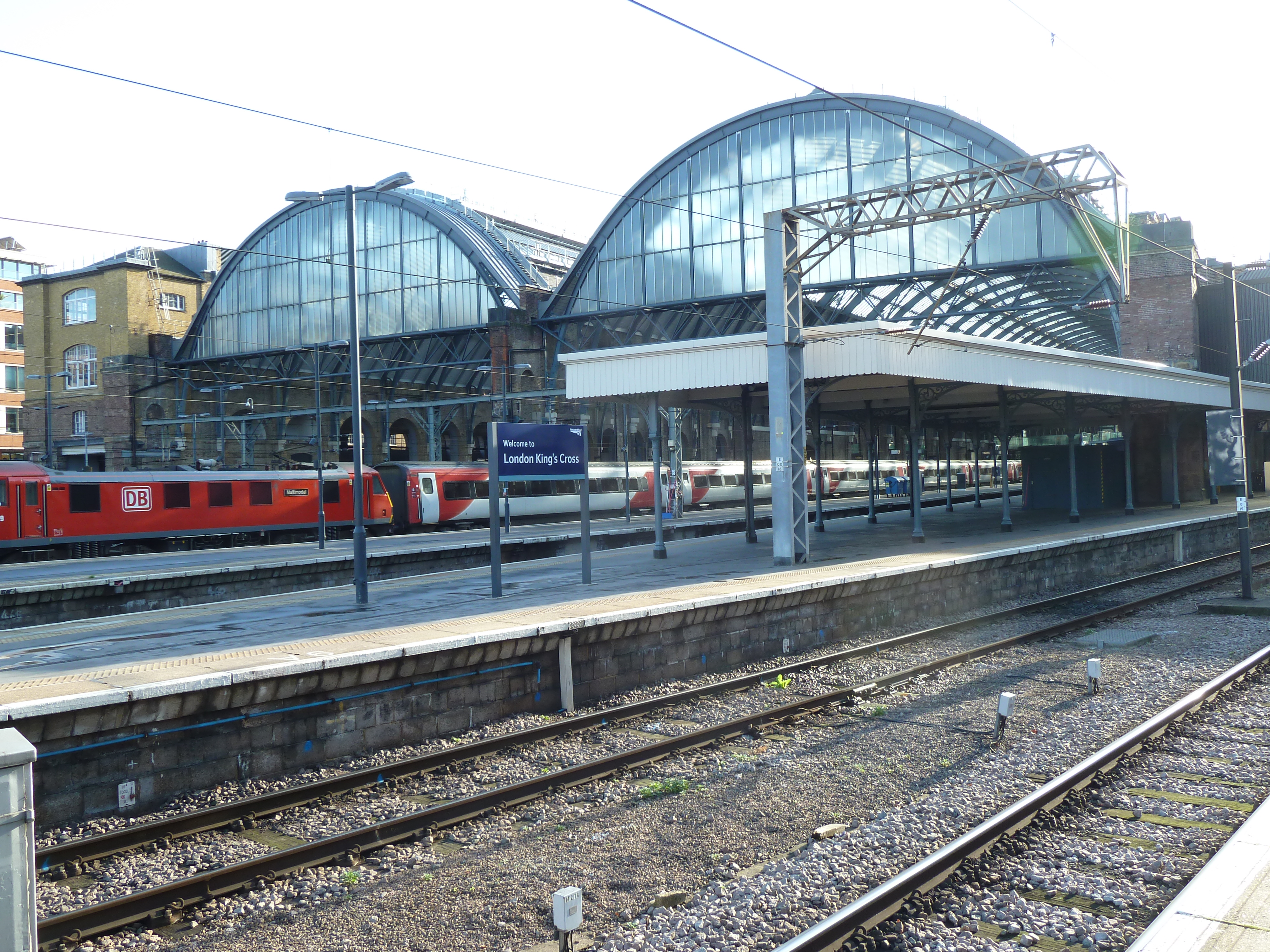
A view to the train sheds from the end of platform 10
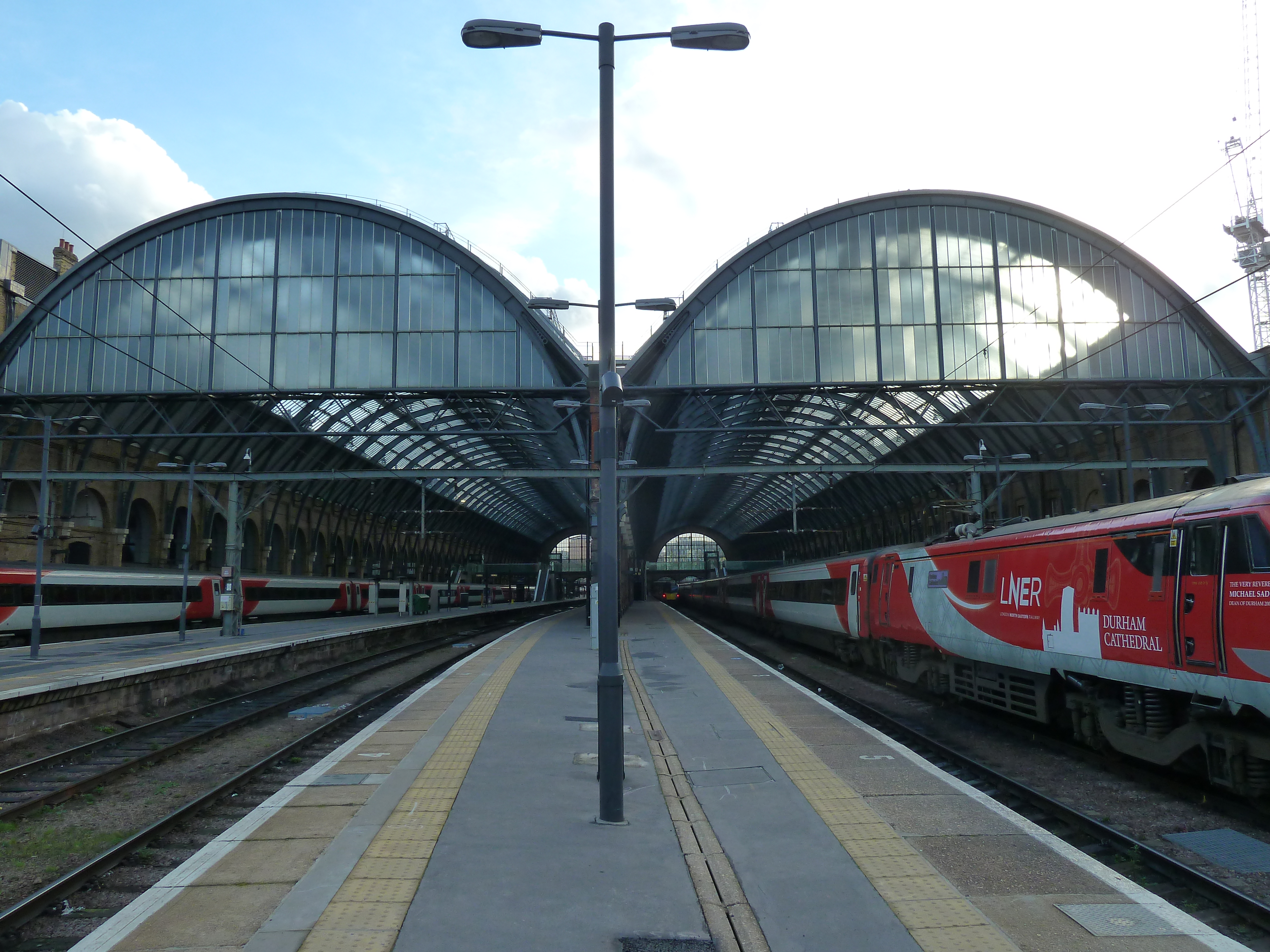
The view from island platform 4 and 5, showing the train shed, the centre brick column being obscured by the light fixture.
The gasworks tunnels.
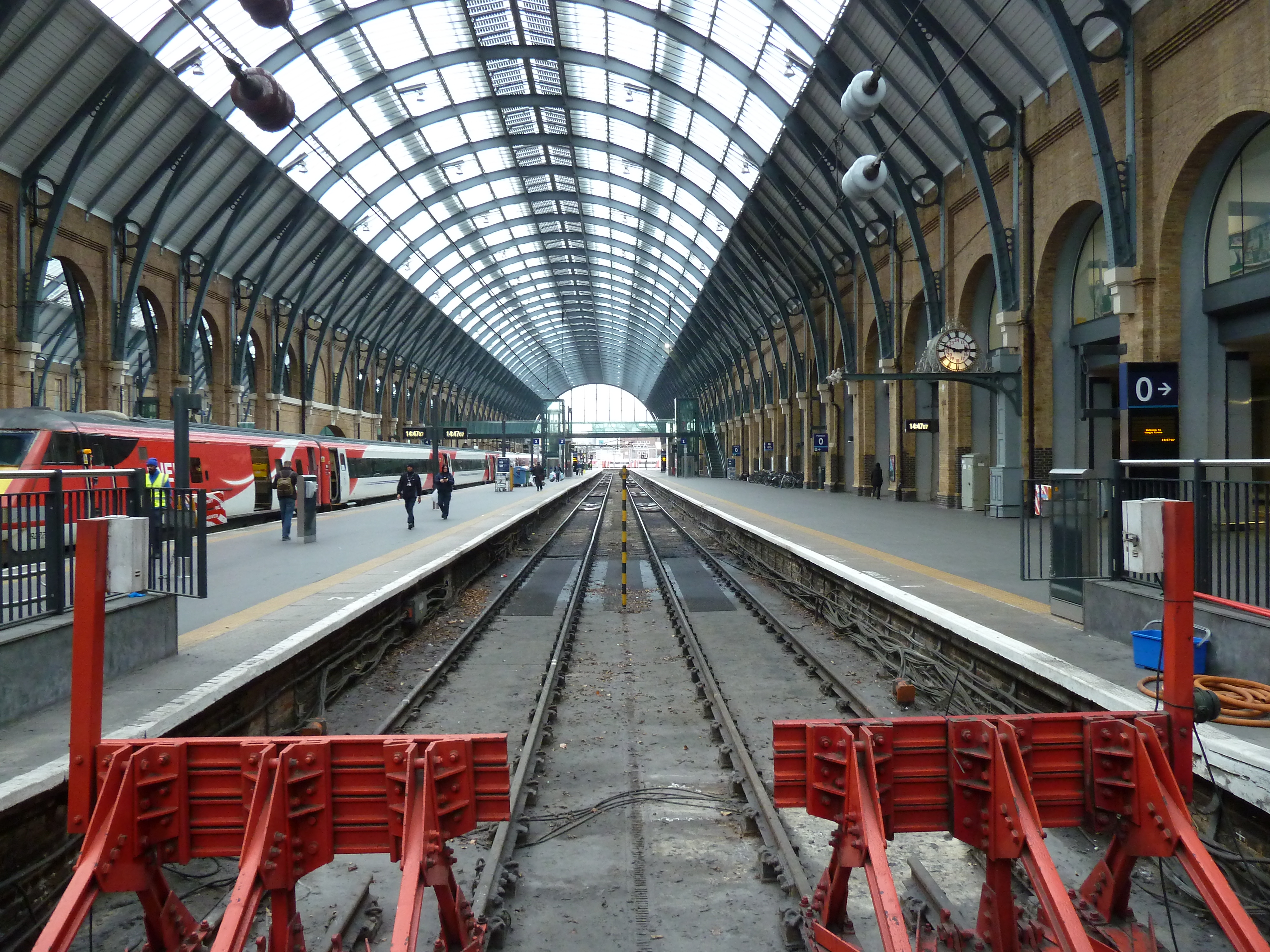
A view down roads 1 and 2, notice platform 0 to the left.
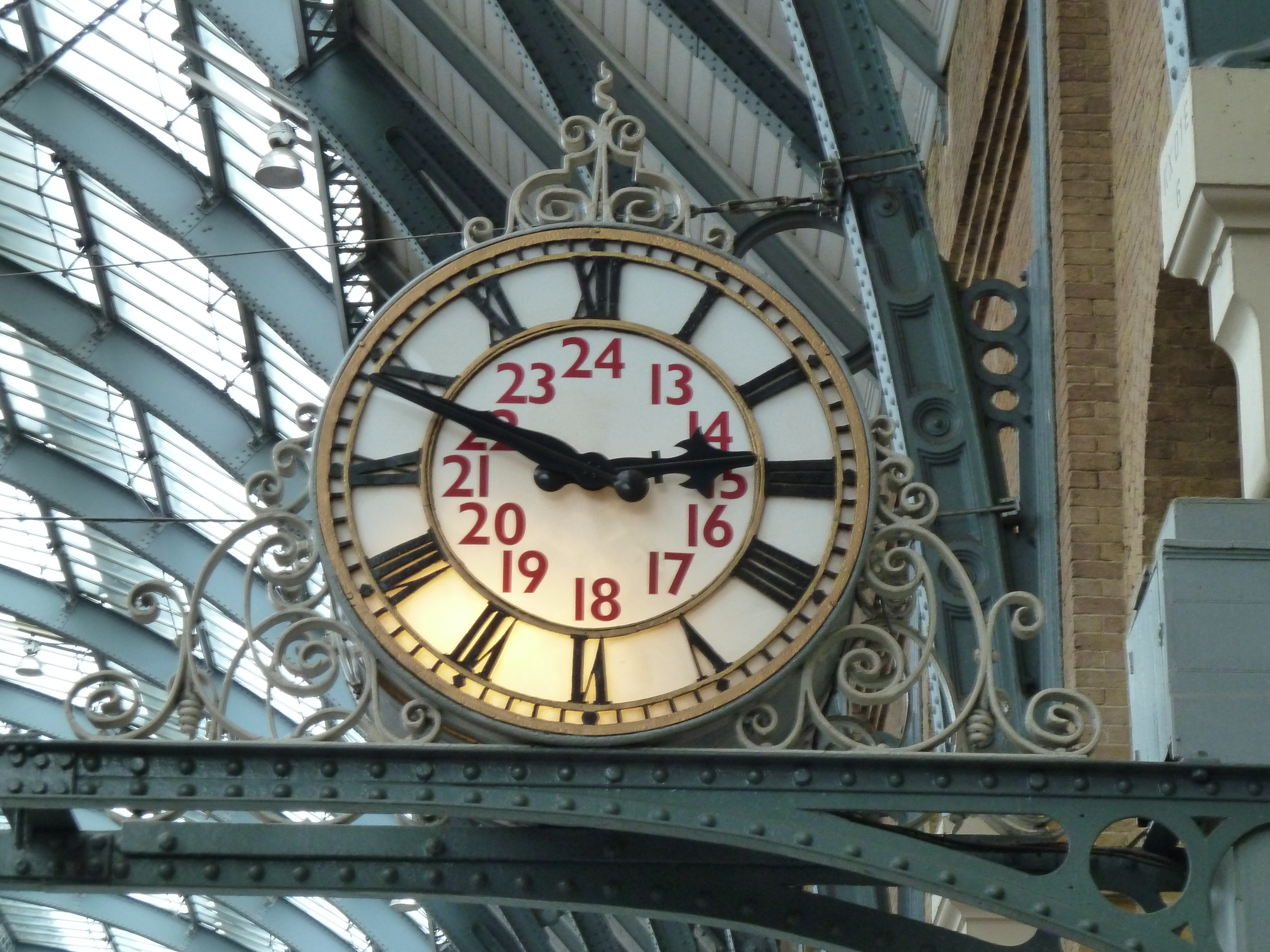
Clock situated on platform 1
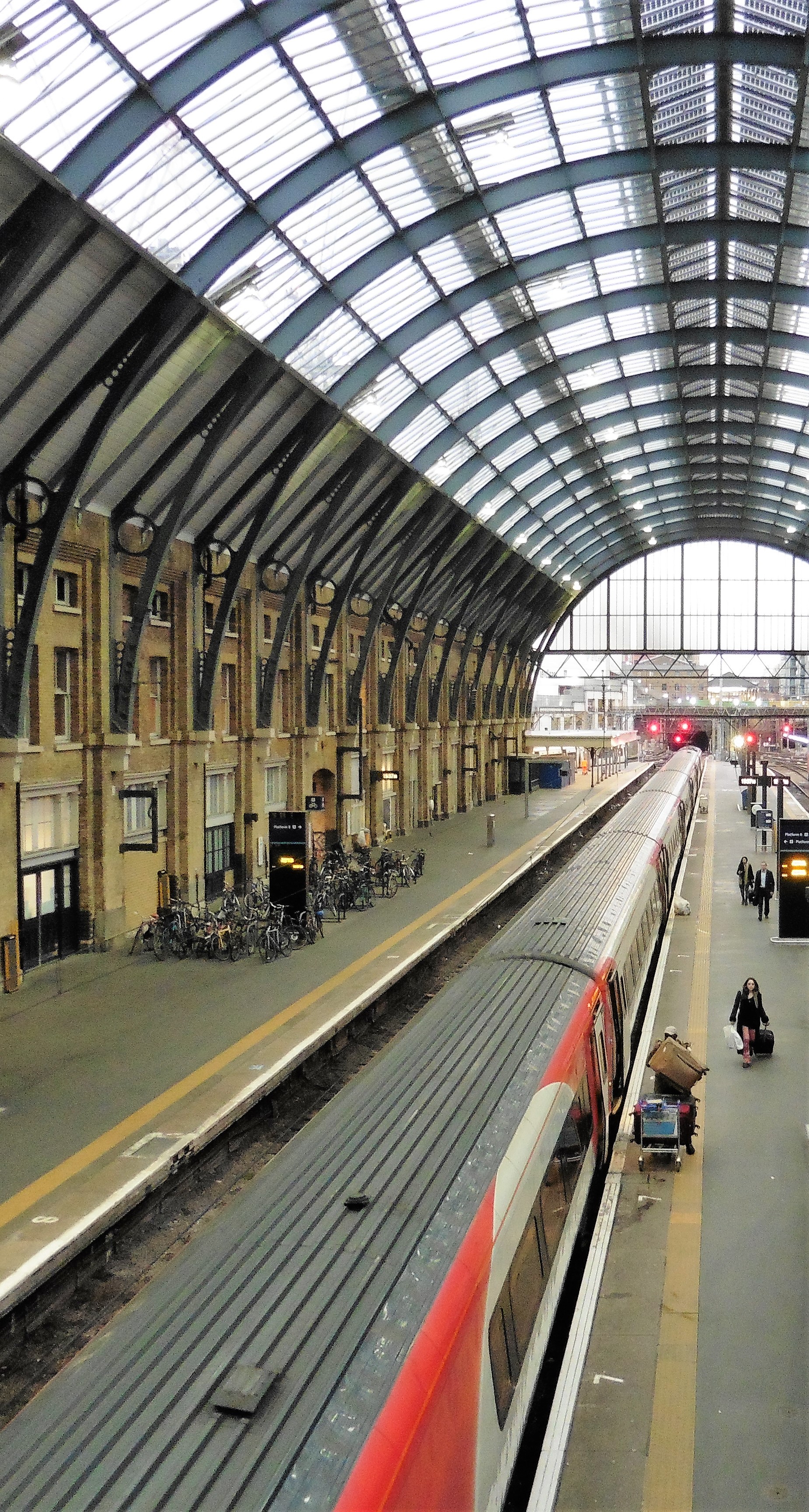
A view down to platform 6
The fantastic canopy over the new concourse
The canopy. Note original station building behind.
The Harry Potter shop – the photo opportunity “Platform 9 3/4” is immediately right of this, and is always busy
The fantastic exterior, with the square in the foreground

Here is a video, also taken on the day, from my YouTube site :


Please also visit Rainham Rail Enthusiast on my Facebook page.

Please also visit Rainham Rail Enthusiast on my Instagram Page.


Many thanks for reading – I’ll Blog again soon.

Stations Near Me – 3 – Newington

One stop down east from Rainham (Kent) is the small station of Newington. Opened in 1862 by the London, Chatham and Dover railway. At this time, only a double track went through the station. Serviced by a small one storey station building, which was located on the “up” side, the station was created mainly to service the many agricultural premises in the village.

Three sidings were put in, controlled by a signal box on the “up” side. Goods traffic was supplied by the local farmers in the early years, and later when some of this land was used more industriously, coal was brought in to sustain the new industries.

This continued for many years, but it was the advent of electrification along the Chatham main line which would see significant developments. The track was quadrupled between Rainham and Newington, ending at the east of the station. This involved demolishing existing platforms, and replacing them with concrete structures. A metal bridge now spanned the platforms across the four tracks. Around 1962, the original station building was replaced by a prefab construction, which still remains today.

The following are two photographs. The first facing west, showing a DB class 66 with an engineers working coming on the “down” from Rainham.

Next, facing east, a 395 “Javelin” is passing through at speed on the inner express lines.

If you want to read more on the history of Newington Railway Station, please visit the excellent Kent Rail website.


Please visit RainhamRailEnthusiast on YouTube

Please visit RainhamRailEnthusiast on Facebook

Please visit RainhamRailEnthusiast on Instagram


Many thanks for reading and I’ll blog again soon.

Railway Stations Near Me – 2 – Higham

In the second of this series, I look at Higham Railway Station on the North Kent Line.  The station was 28 miles Down from its previous terminus at Charing Cross, however the Thameslink service no longer goes to Charing Cross, instead stopping at London Bridge before going though the London Core on its way to the its new end at Luton.

The first thing of note here is Higham Tunnel, at 1531 yards in length.  It originally was constructed in 1801 to serve the Thames and Medway canal, which acted as a passage for military traffic from Woolwich through Gravesend and Higham to the dockside at Chatham.  When traffic on the canal didn’t reach expected levels, the newly formed Gravesend and Rochester railway company acquired the canal and tunnel, putting a single track rail line alongside the canal.  This lead to the opening of Higham Station in 1845.

There are actually 2 tunnels, separated by what is locally known as ” the bomb hole”.  This was an area for the barges to cross.  The second tunnel is the “Strood” tunnel and at 2329 yards in length is the longest of the two.  The tunnels received extensive refurbishment in 2004 due to rock falls, and are now strengthened by steel and concrete.

A year later, the Gravesend and Rochester railway company was itself absorbed into the South Eastern Railway.  It is at this point the canal was drained fully, and a second rail line put in.  At this time the railway did not divert to the Medway towns, instead carrying on to Maidstone via the Medway Valley.  It was not until 1939 that a spur from Strood would carry trains onto the Chatham Main Line to Gillingham.

Higham would have a couple of sidings, both on the Up and Down lines, although both had been removed by the mid 1960s.  The most unusual piece freight unloaded by the station was a Swiss chalet in 1864 as a gift for Charles Dickens, who lived at nearby Gad’s Hill.

Although initially accessed by a foot crossing, platforms are reached via a lattice footbridge, a common sight throughout the Southern Region in the 20th Century.  The station building still survives, and was still heated by the original fireplace as late at the 1980’s.

The ticket office is open for only part of the day, at other times a permit to travel ticket must be purchased from a PERTIS machine, located by the bridge on the Up side. The station was served by SouthEastern until May 2018, when the new Thameslink Class 700 service to Luton/Rainham commenced and took over the 2 tph (each way) Stopping service.  Class 395 SouthEastern “Javelin” trains pass though, as well as various freight though the day, some heading for the nearby “Hoo Junction” Yard, around 2 miles further on the Up line.

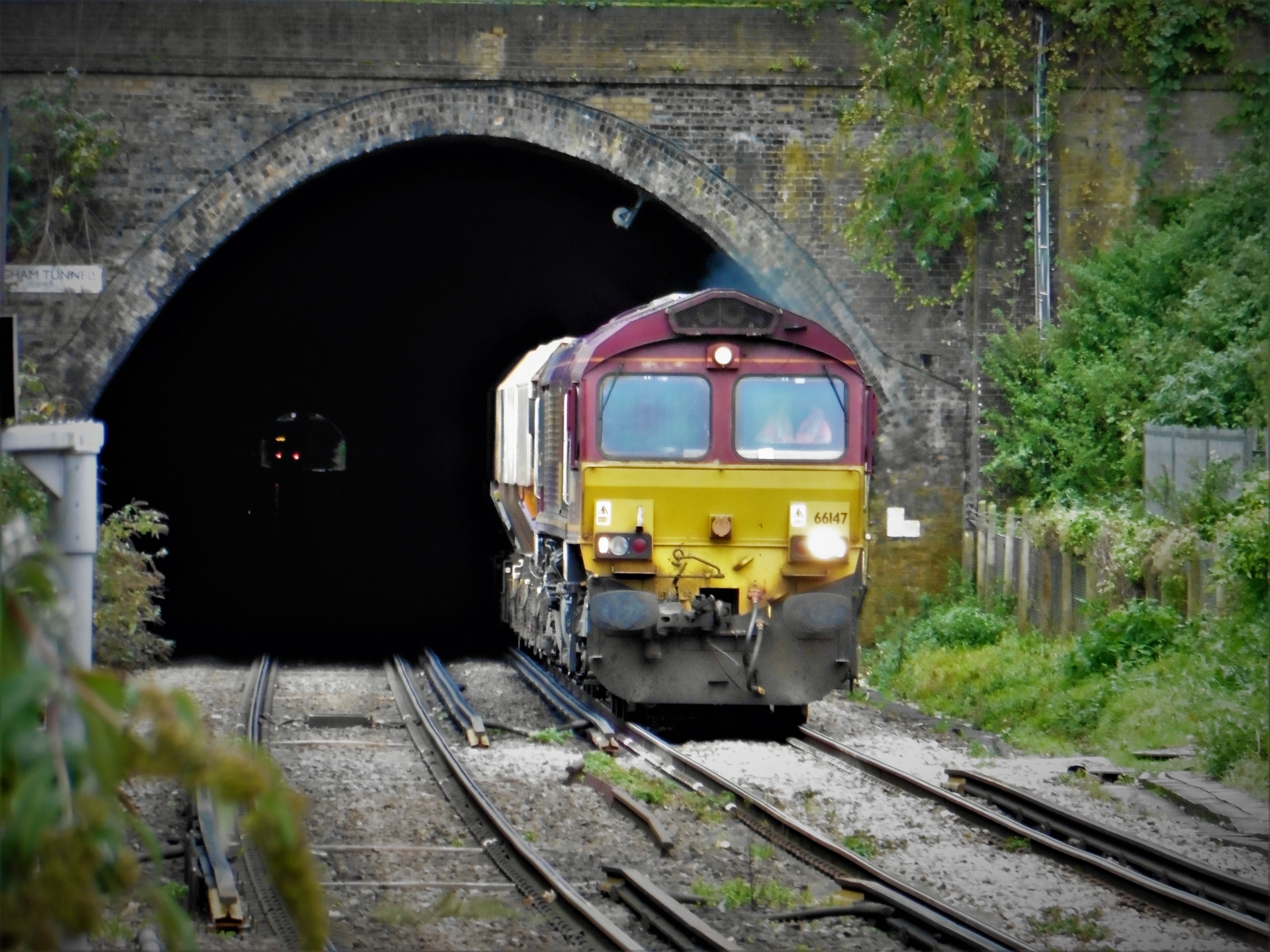
Two pictures follow.  The first by me, shows a Class 66 hauling stone wagons exiting the Higham Tunnel on the Up line.  A train can also be seen passing through “The Bomb Hole” on the Down line heading towards Gillingham.

P1000393

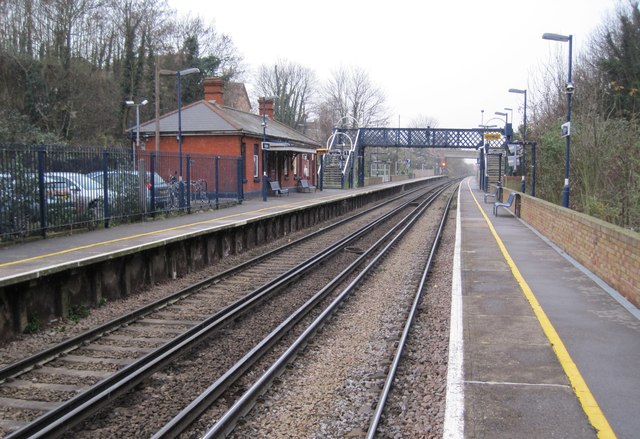
The second is a view towards the station building, taken from the Down platform.  This photo by Nigel Thompson (credit under photo)

3614705_28c3986d

Higham railway station, Kent
cc-by-sa/2.0 – © Nigel Thompson – geograph.org.uk/p/3614705


Please visit Rainham Rail Enthusiast on YouTube.

Please visit Rainham Rail Enthusiast on Instagram.

Please visit Mistydale Model Railway on Facebook.


That’s all for now, thanks for reading and I’ll blog again soon.

The Class 700

On Sunday 20th May 2018, new rail services were due to start between Rainham in Kent and Luton.  Unfortunately, as well publicised in the media (here) things didn’t go according to plan.  But this is not what this blog is about.  This blog looks at the workhorse of that service, the new Class 700 unit, most of which at the time of this blog were owned by Thameslink (although Great Northern will have some).

The trains were built between 2014 and 2018 by Siemens in Germany.  The initial order was for 60 Eight car trains and 55 twelve car trains.  They are scheduled to replace all the class 319s on the Thameslink Network.

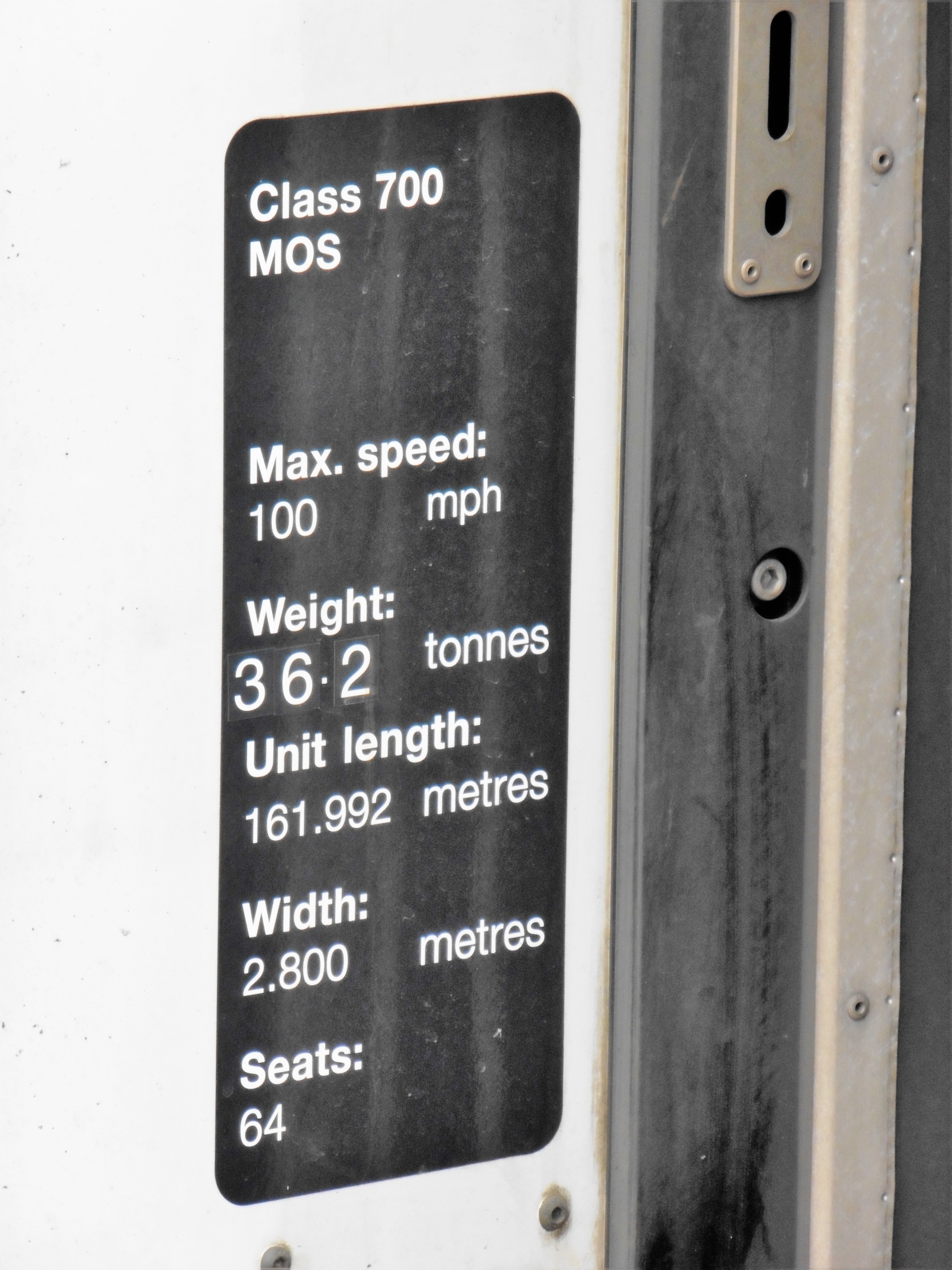
Their maximum speed is 100mph, and are electrically supplied with a third rail shoe (750 V DC) as well as a pantograph for overhead operation (25 Kv AC).  They are fully fitted with air conditioning, and a regenerative braking system.

The units are capable of working as ATO (Automatic train operation), which means the train can drive itself.  This is already in operation along the “Thameslink Core” which  links the East Coast mainline to the network around St Pancras.  The usual safety AWS is installed, as well as the ability to upgrade this easily to the new Digital Railway signalling as and when it is operational.

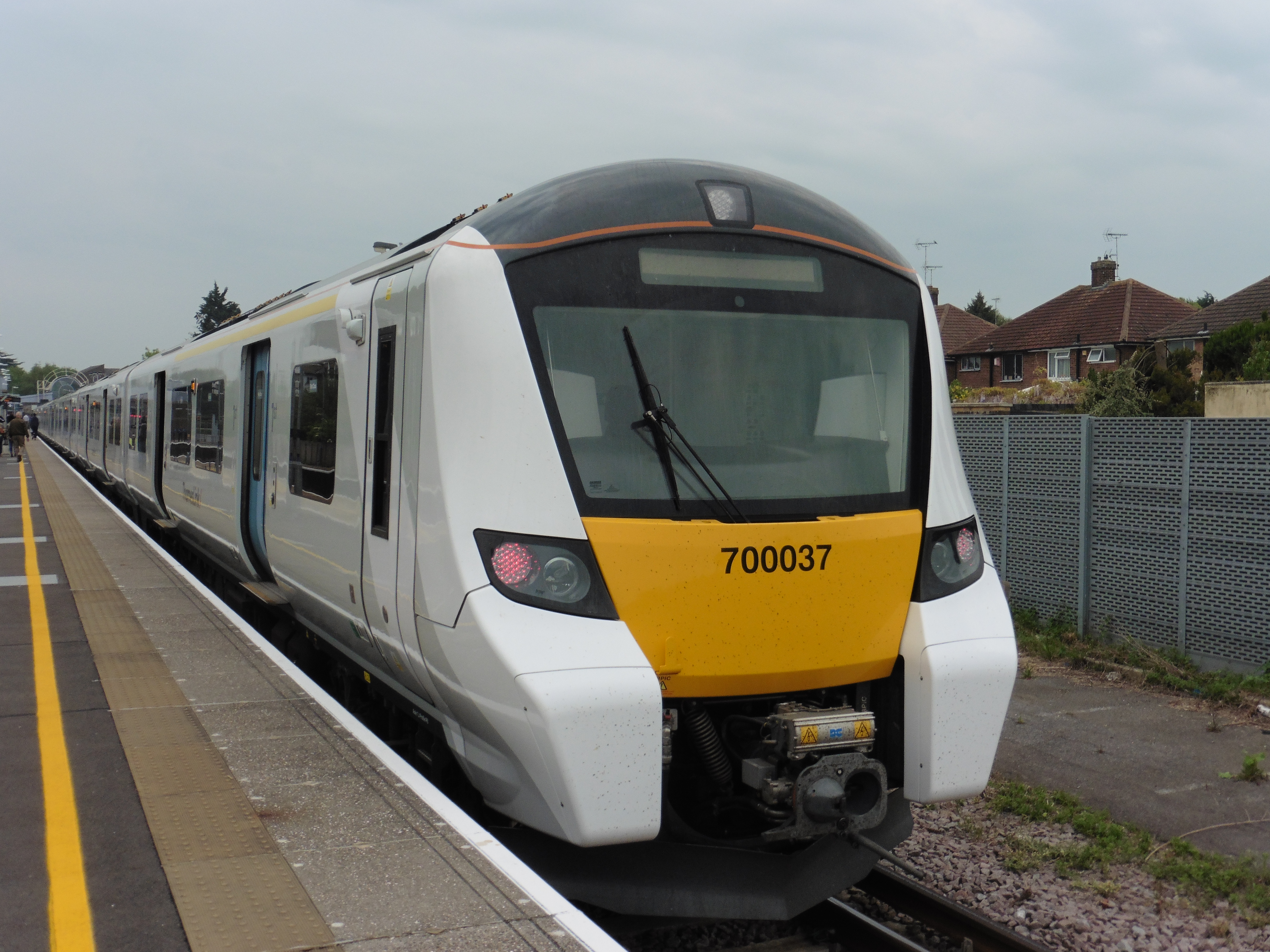
Two shots of the exterior of the train are below, one is of the information plate :P1000809P1000811

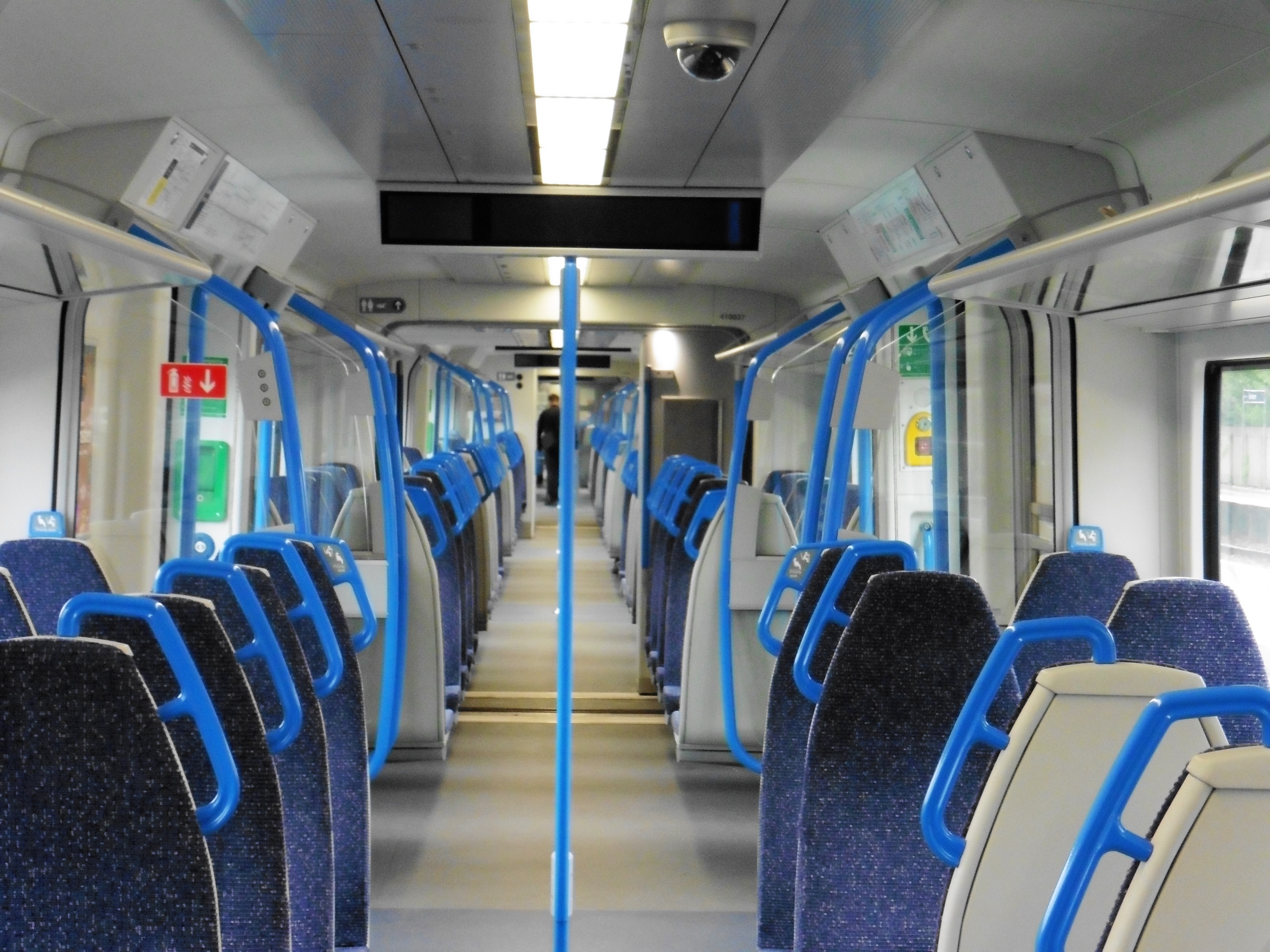
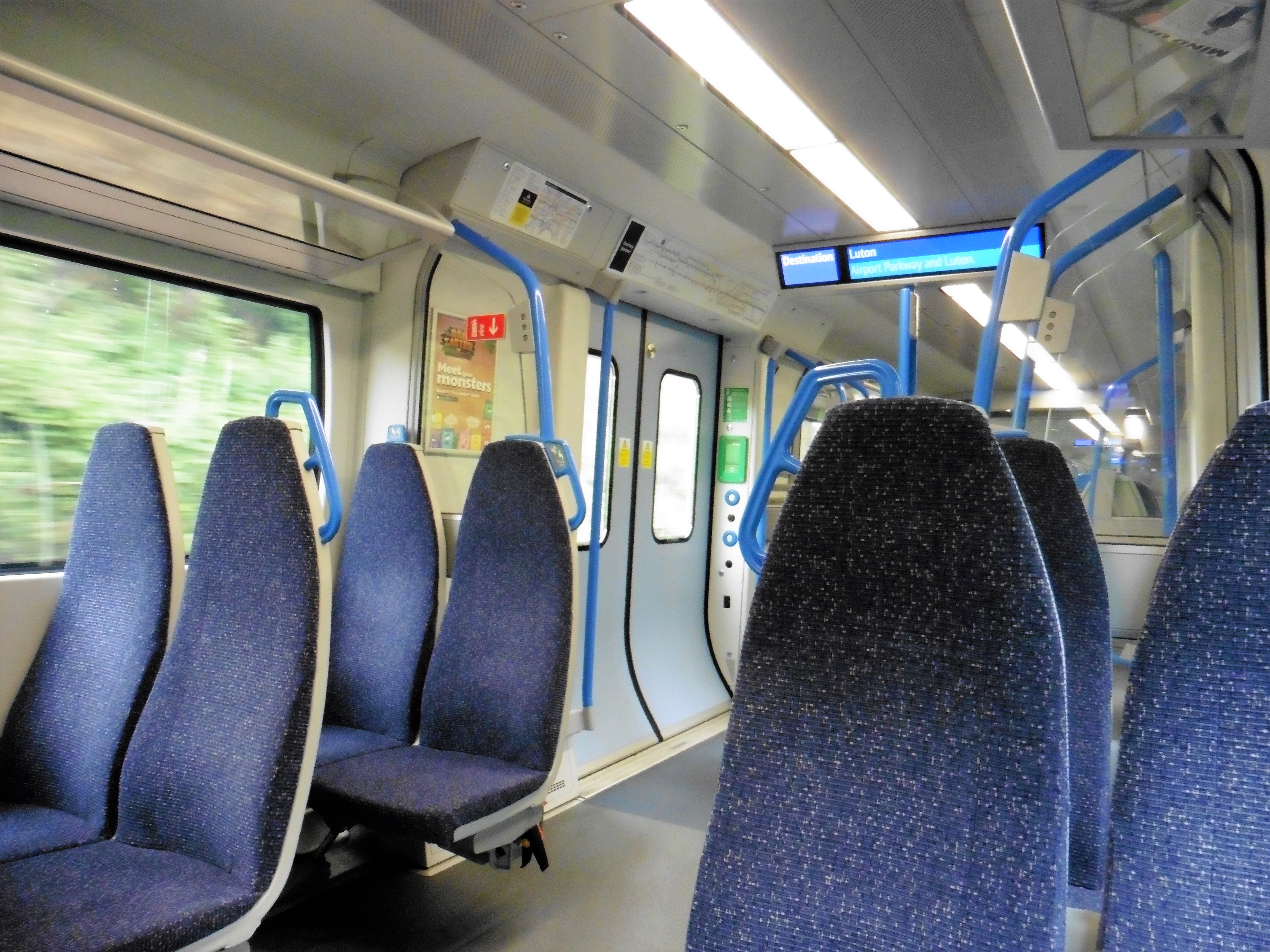
Interior shots of the train taken by myself at Rainham are below:

P1000813P1000816

The images above show the standard configuration in standard class.  1st class carriages have slightly better seats and tables.  As you can see, the train is totally able to be walked through, although first class carriages are separated.  On the 8 car trains there are 3 toilets (1 disabled).  I believe this is increased by one each om the 12 car trains.  Luggage racks above the seats are large, plenty of space for a small case.

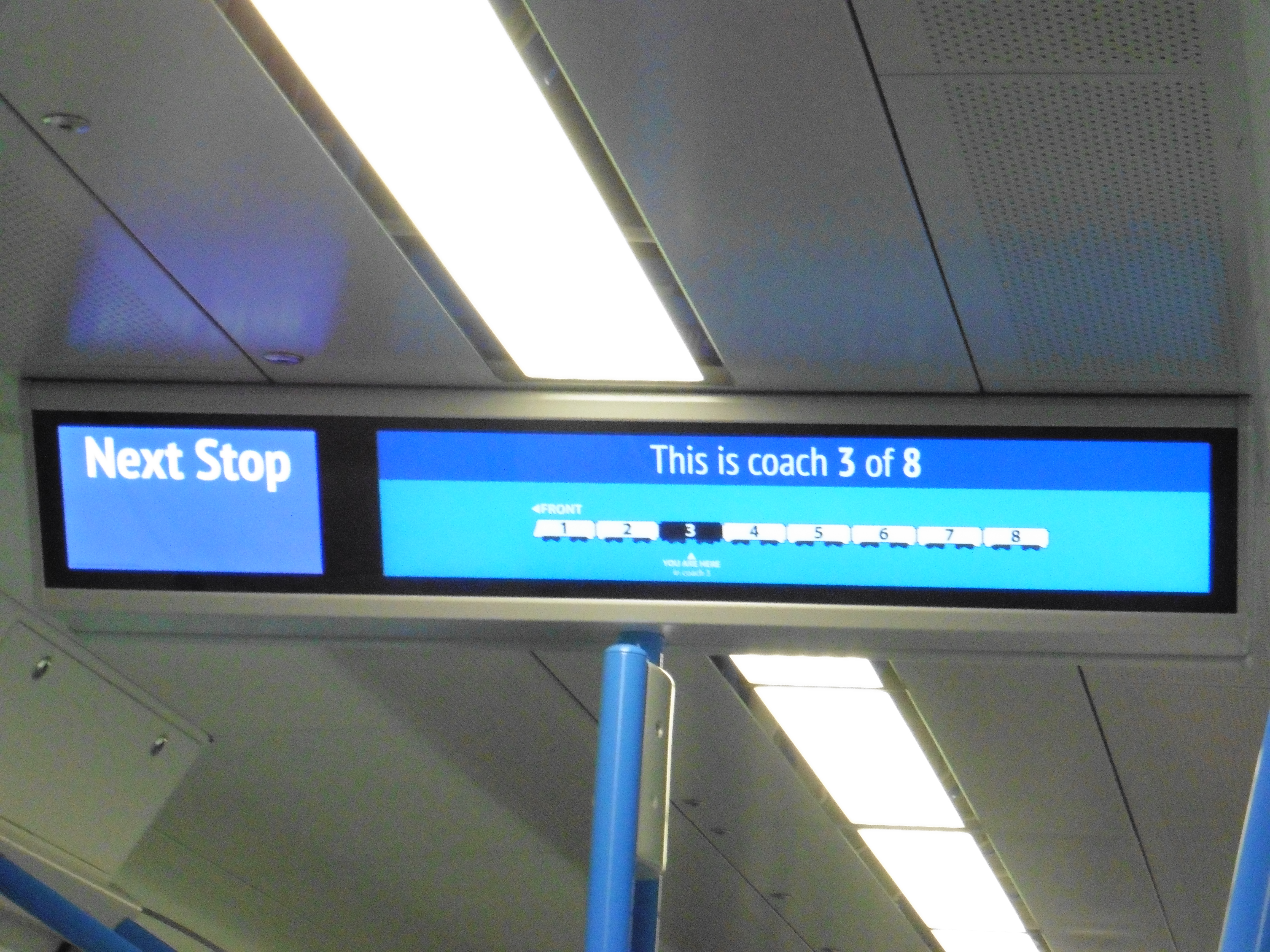
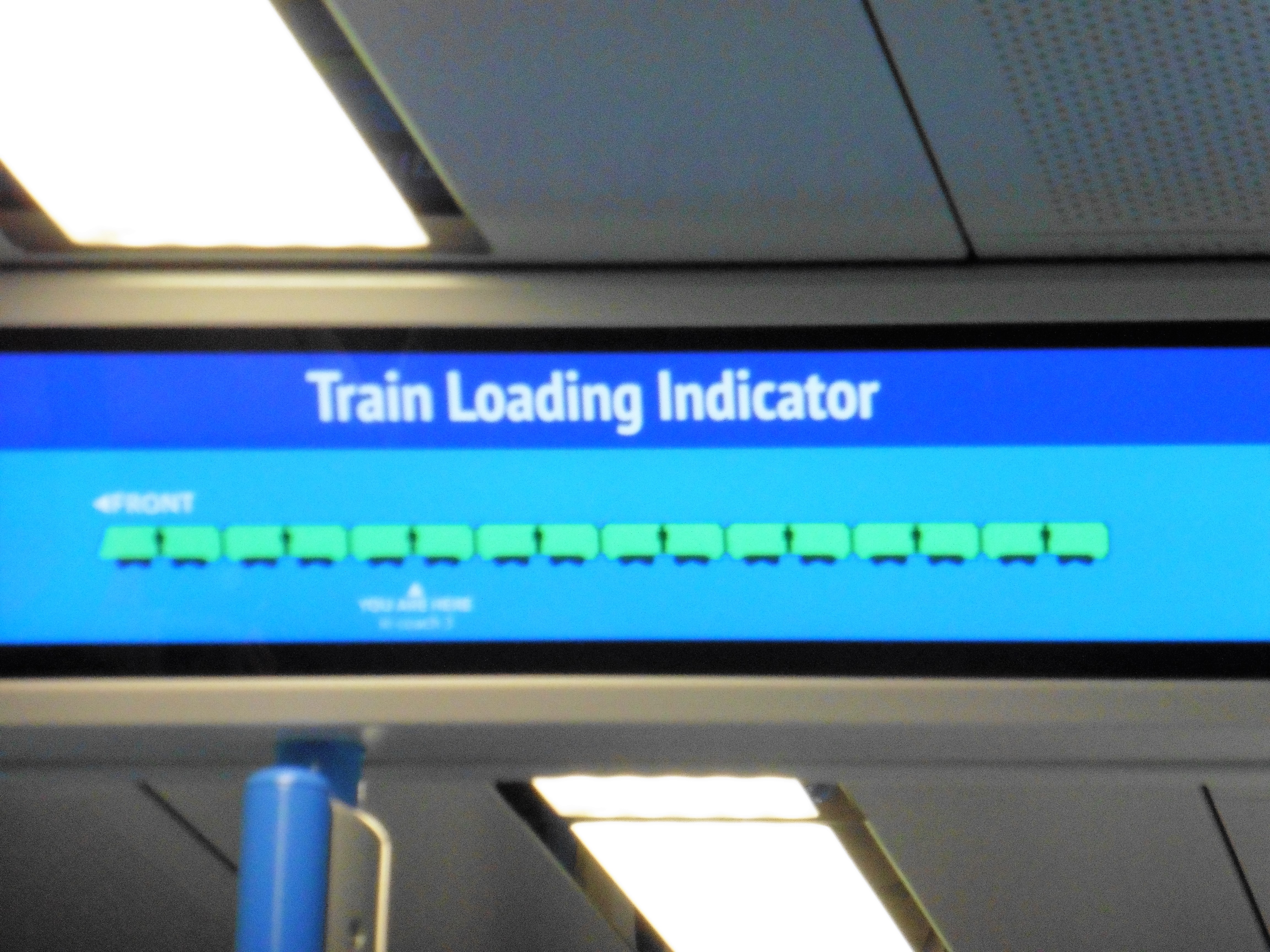
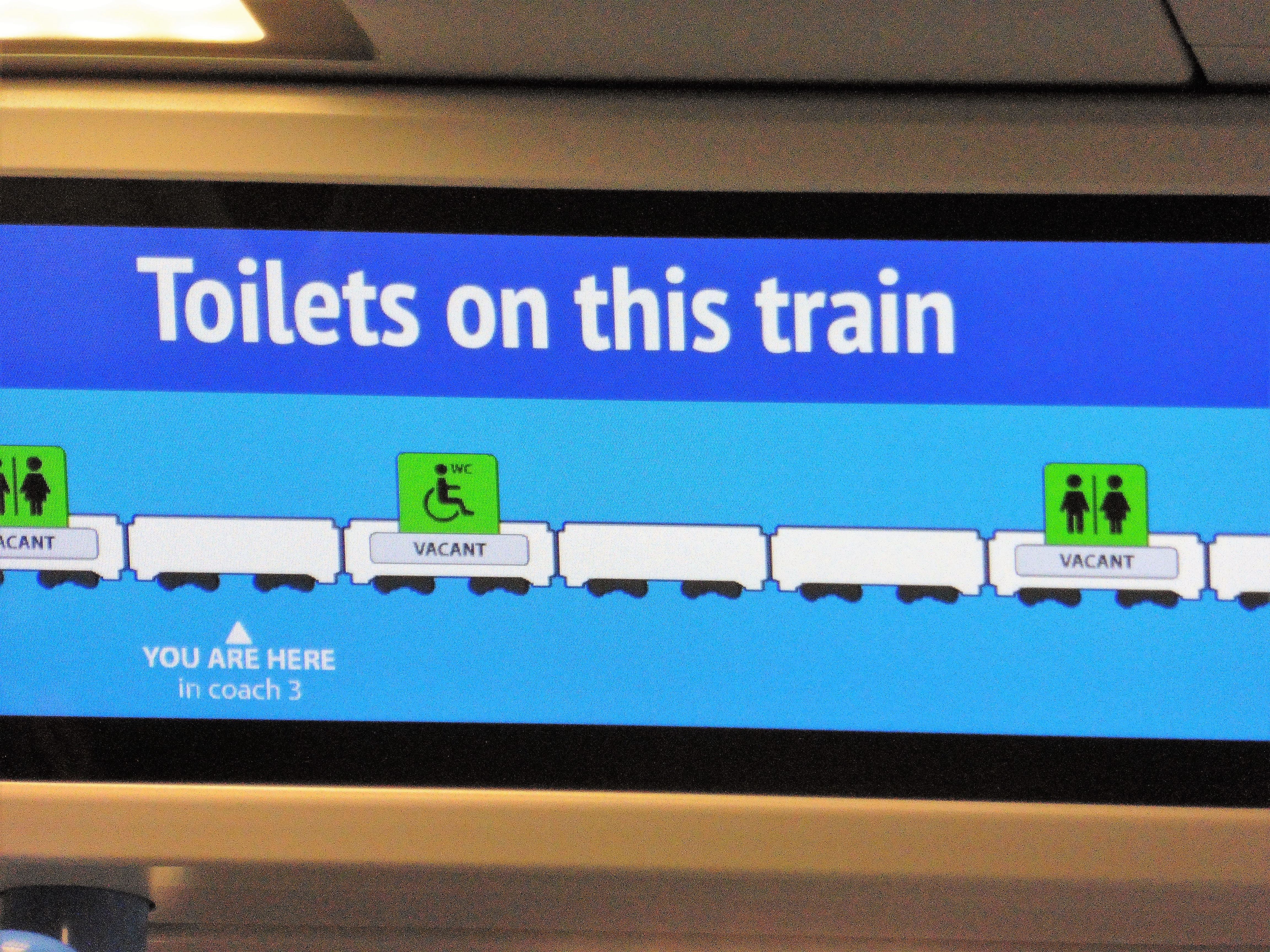
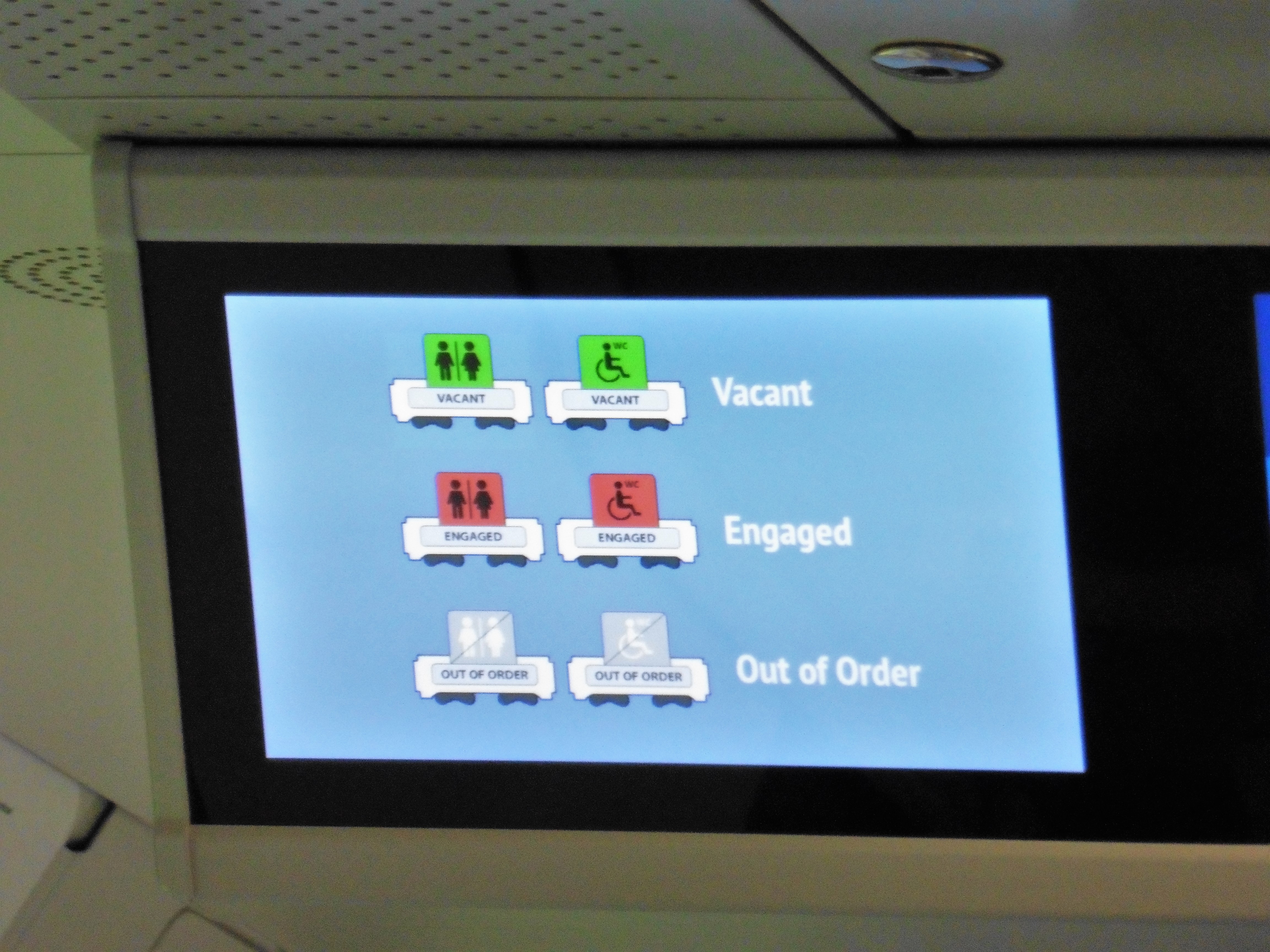
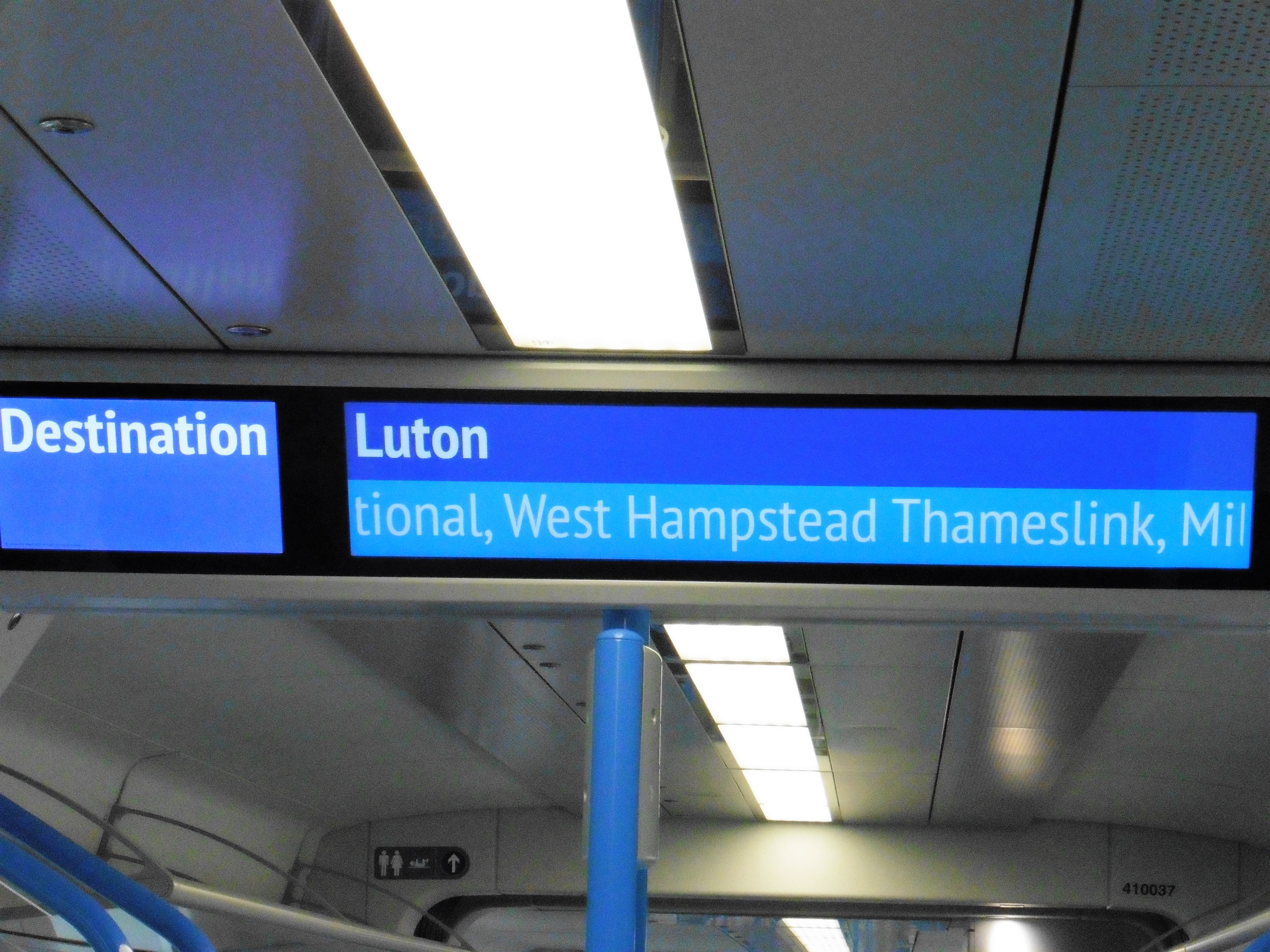
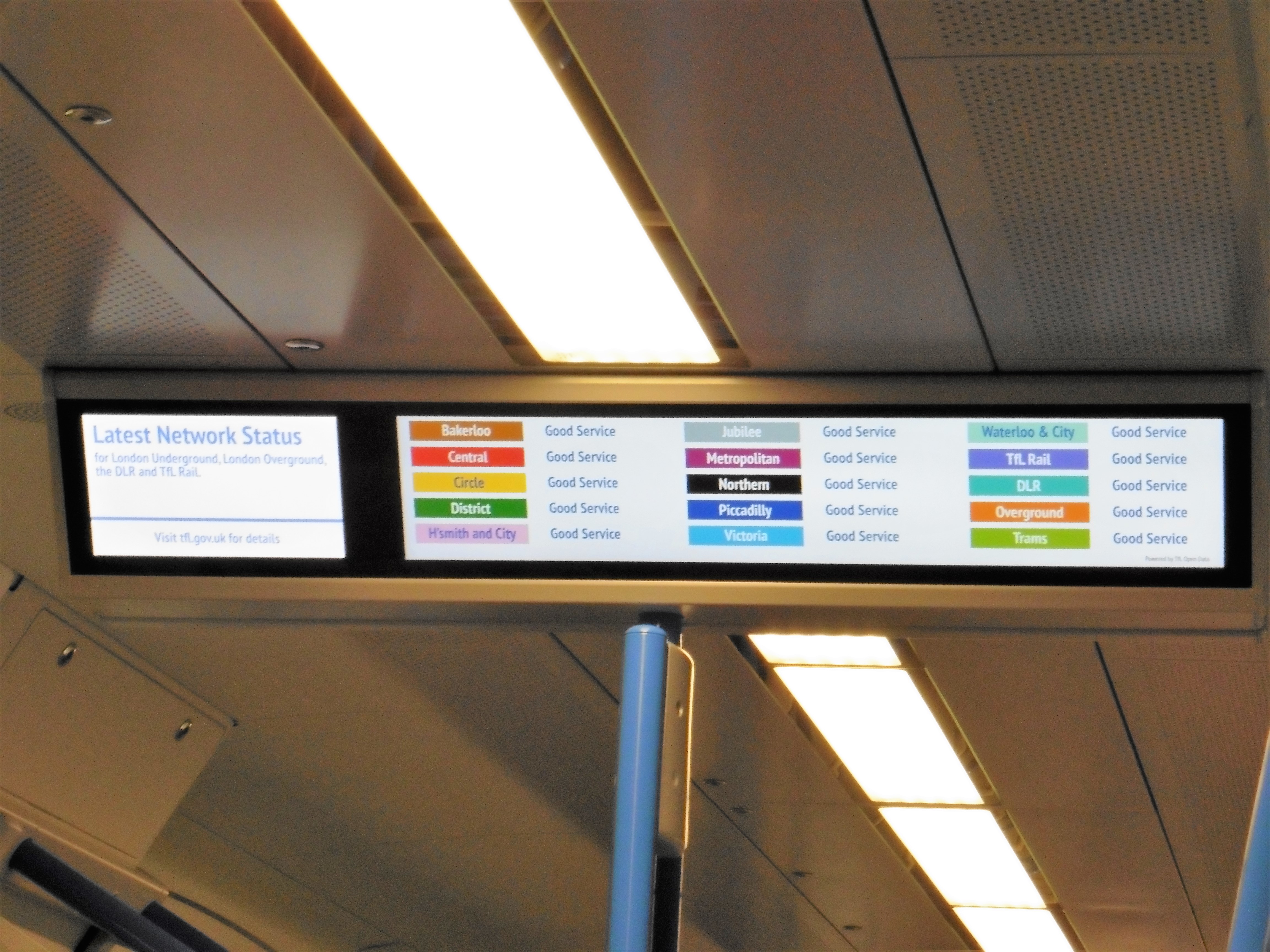
The new information boards show various information, including carriage loading indicators and information on the London transport network:

P1000825P1000818P1000820P1000819P1000815P1000824P1000823P1000812

They also show the time and the next station stop, as well as the usual scrolling information about the service you are on and its destinations.  Overall, these are very impressive and very informative.

As good and shiny as this train is though however, its glaring problem is the seating in standard class, which is well documented if you perform a basic internet search.  Having done a full 2 and a half hour journey from Rainham (Kent) to Luton, I can indeed say that these seats are not built for that length of journey.  They are quite hard, and realistically I see only around an hour and a half being the maximum journey time you would want on them.

This however is not a problem.  The train is really designed with the commuter in mind, so the core user would only be using it for a short journey, either up to London from Medway, or up to London from Luton.  As a modern train it really performs well, with good acceleration and the ride comfort in relation to bumps and jolts is really very smooth. All onboard announcements are clear and concise.

If the lessons from the seating can be learnt, then new variants of this train could be learnt and improvements made to what is in essence a very fine unit.  As an addition to the fleet roster in the south east it is very capable, and notwithstanding the seats, a very enjoyable ride.


Please visit Rainham Rail Enthusiast  on YouTube

Please visit Rainham Rail Enthusiast On Instagram

Please visit Mistydale Model Railway On Facebook


That’s all for now, thanks for reading and I’ll blog again soon.


The Digital Railway

Last week (10th May 2018) , the British Government in association with Network Rail announced that it would be investing in a digital railway, but what is that?

Basically, for well over a hundred years, railway signalling in the UK is a “block” based system. That is, a pre defined area of railway ‘blocks’ divide up the network, and no two trains can occupy the same block at the same time. In recent years, if a train moves past a red signal in to an occupied block, the onboard safety system (TPWS) will apply the emergency brake. This system albeit very safe, is very inefficient. A better way would be to allow the trains to report their position, speed etc. This would allow trains to run safely at closer distances, and would increase the capacity on the network.

The cost would be high, but as many of the signalling systems in the UK are nearing an upgrade, the spend would not necessarily be in addition to works which have been already identified by Network Rail.

To better explain this, the following video from Network Rail shows the current system of signalling, and how the new digital systems would improve the UK rail network.


Please also visit Rainham Rail Enthusiast on YouTube
Please also visit Rainham Rail Enthusiast On Instagram
Please also visit Mistydale Model Railway On Facebook


That’s all for now, thanks for reading, I’ll blog again soon.

Banbury – Gateway To Almost Everywhere!

In the June of 2017, I visited Banbury Railway station, with a short trip to Heyford.  I had seen many videos from the station with its varied traction, but mainly wanted to see the Chiltern Railway services from London Marylebone to Birmingham,  some of which are class 68 / 67 hauled.  The day certainly didn’t disappoint.

Firstly a little history.  Banbury Railway Station opened in 1850 as Banbury Bridge Street Station, for the GWR.  At first it was just a single line station, but due to popularity was increased to double track a few years after opening.  Goods loops were also installed around the station, notably adjacent to the “up” line.  This also provided access to the LNWR route via another Station, Banbury Merton Street.  Further terminating bays and goods loops followed, cementing Banbury’s importance in the rail network.  In 1948 during nationalisation, the station was renamed Banbury General.

Banbury Merton Street closed in 1960, and with that Banbury General was renamed Banbury.  Some, but not all, of the goods loops around the station have subsequently been removed, and the station now has 4 lines, served by three platforms.

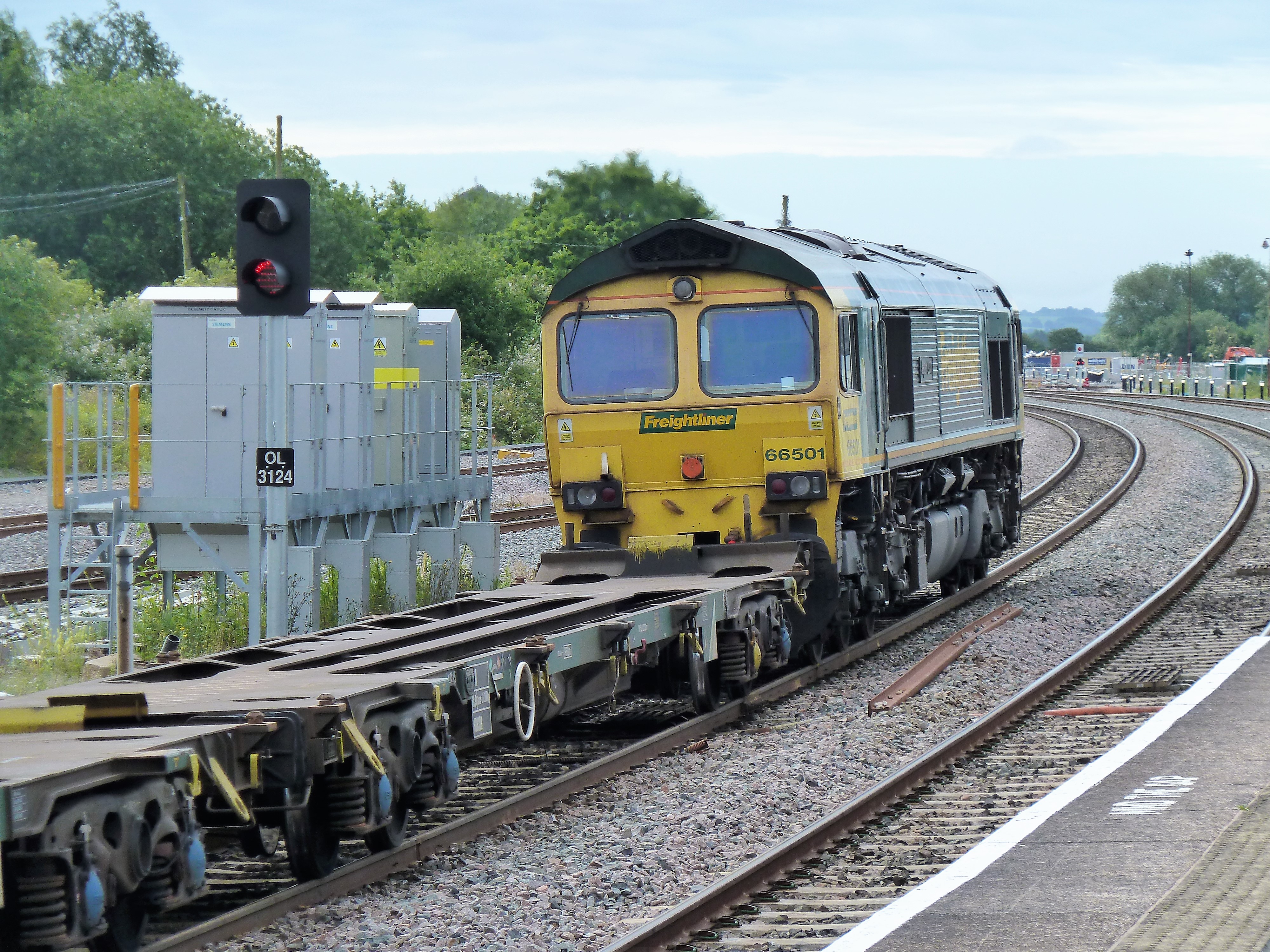
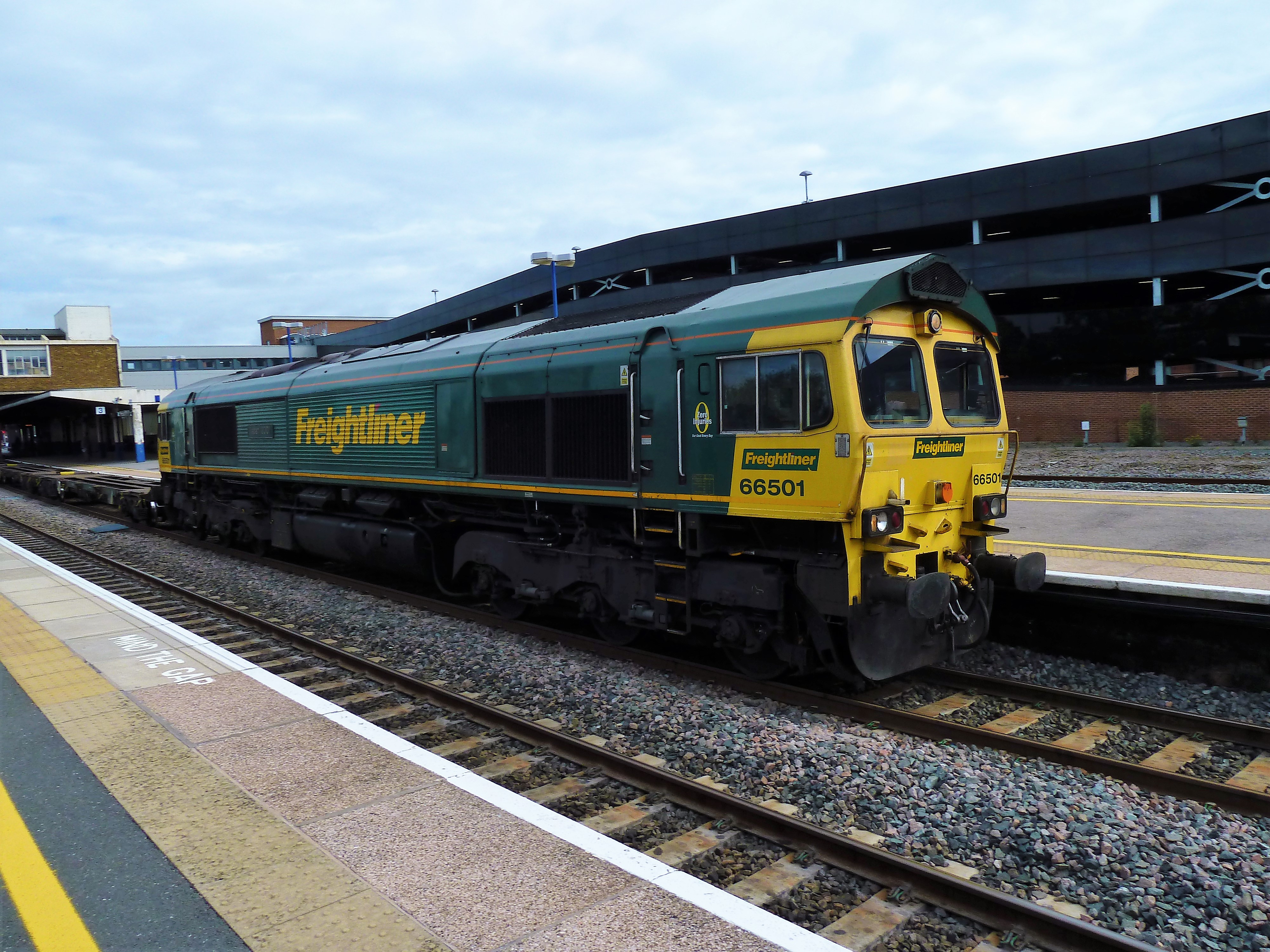
Many freight services pass through Banbury, mainly intermodal workings from/to Southampton.  Below are two images of Freightliner 66 501s working on the “Up” line from Southampton docks towards London.

fl again3fl again 2

The main current (2018) passenger services are as follows :

Chiltern Railways:

3 tph to London Marylebone 
2 tph to Birmingham Moor Street, 1 of which carries on to Birmingham Snow Hill

Cross Country:

Services to Bournemouth, Manchester, Reading and Newcastle

GWR

Cherwell Valley line services to Reading and Didcot Parkway

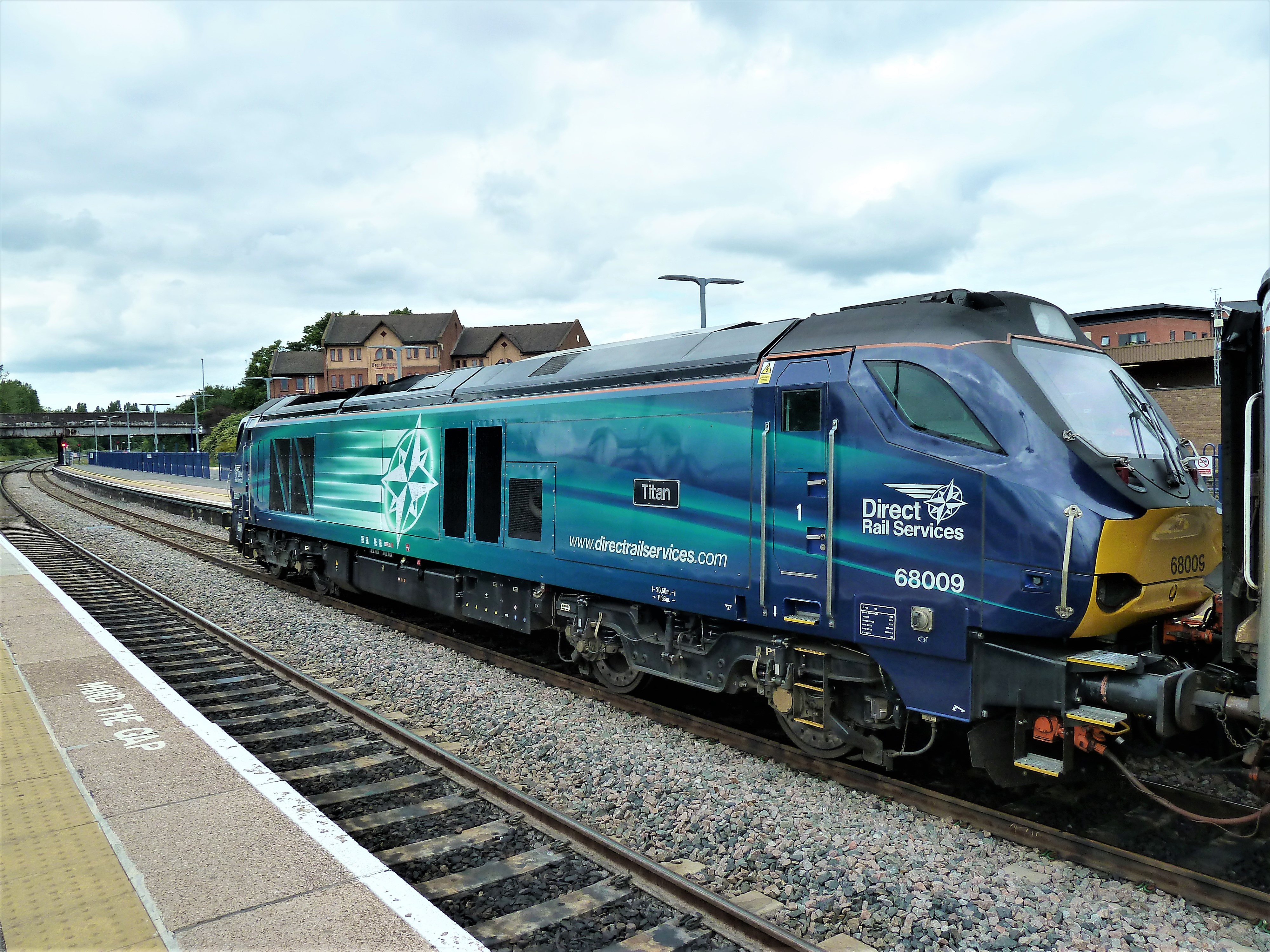
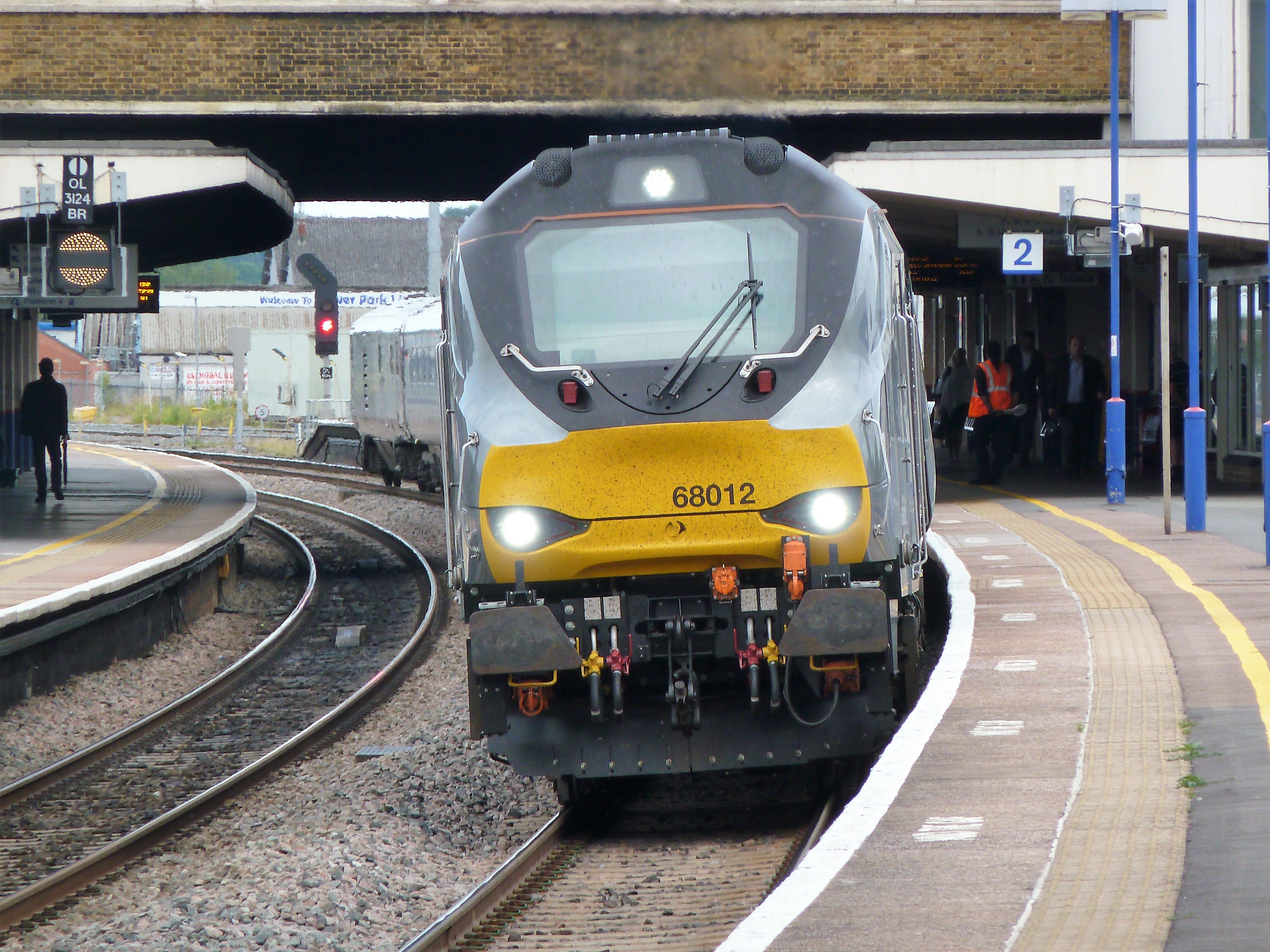
As you can see, it really is a gateway across a good part of the country!  The two pictures below are of Class 68 locomotives, on loan from DRS, on services to London Marylebone (top) and Birmingham New Street (bottom) for Chiltern Railways.

68 368 5

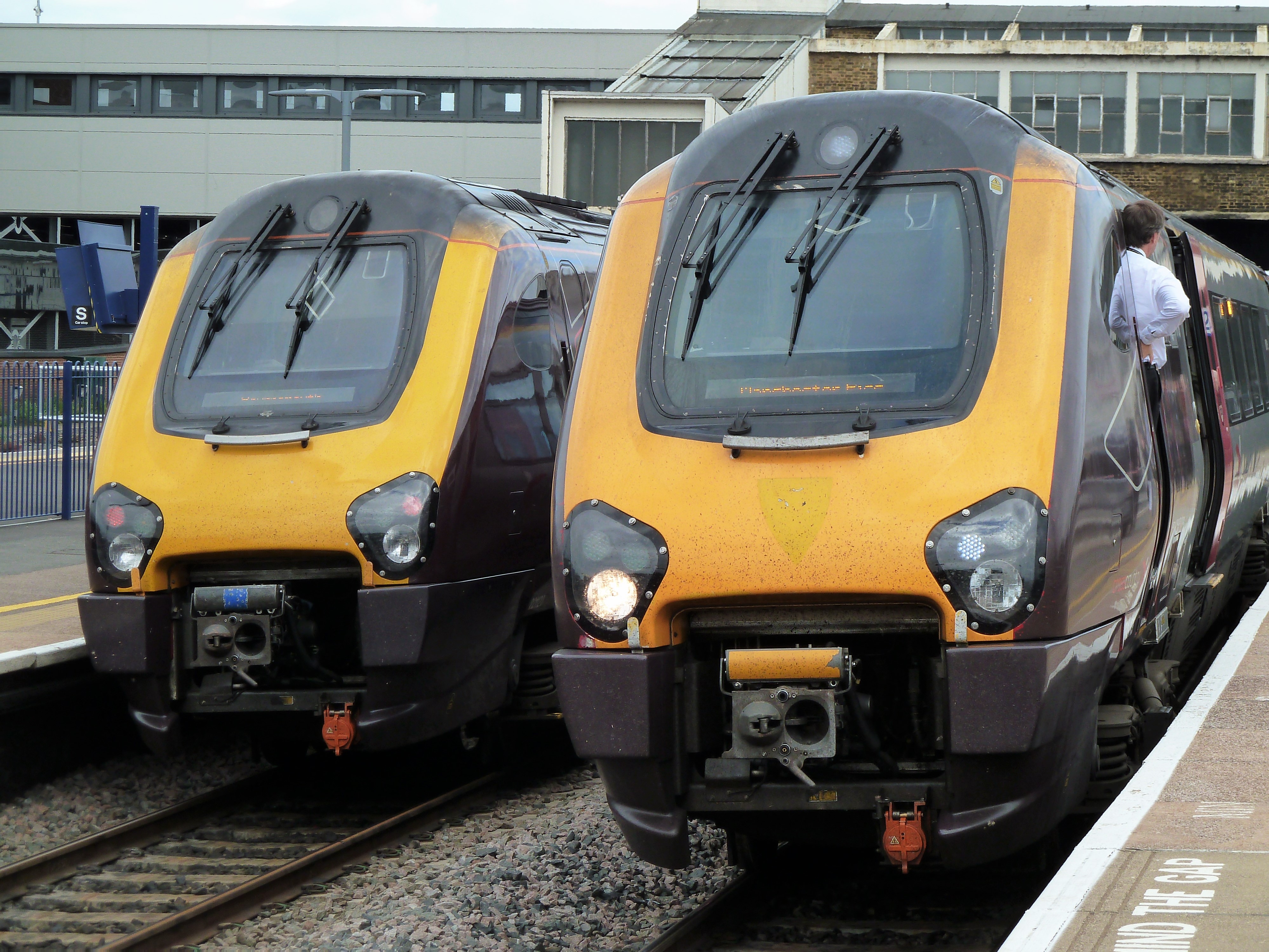
And here are a couple of Cross Country Voyagers, en route to Manchester and London respectively.

double vomit comet

I have also posted a video to my YouTube channel, and this can be seen below:

The station staff are friendly and are ok with photography / video work, obviously with the rules of the railway always being adhered to.  I really enjoyed my visit here, so much going on with all different types of traction, and hope to visit again in the future.


Please also visit Rainham Rail Enthusiast on YouTube

Please also visit Rainham Rail Enthusiast On Instagram

Please also visit Mistydale Model Railway On Facebook


That’s all for now, thanks for reading, I’ll blog again soon.

Stations Near Me – 1 – Sittingbourne

As a companion to my ongoing series of potted station histories in the Medway area, this blog subsection will concentrate on other stations near to where I live in Rainham (Kent). The first is Sittingbourne.

Sittingbourne station opened on the 25th January 1858, as part of the East Kent Railway (later to be merged with the South Eastern railway to form the South East and Chatham Railway). At this time, trains would terminate at Chatham and a horse and cart would transfer passengers to Strood, where they would join passengers on the South Eastern Railway.

The large and impressive station building is situated on the “up” line, with 2 platforms, the “down” side connected by a subway. Goods sidings at this time were adjacent to the “up” line, to the east of the main station building. In 1860, services to Sheerness-on-Sea commenced via a new line next to the existing down platform, making this platform an island type.

In 1899, a new footbridge linked the two platforms, complementing the existing subway. It was around this time that the station was also re-named “Sittingbourne & Milton Regis”, a name it was to retain until changed back to “Sittingbourne” in 1970.

The Southern Railway took over in 1923, The goods sidings on the “up” line were removed around this time. In its place, a small goods yard was installed to the side of the “down” platform. Serving primarily the paper mills, it also provided stabling for chemical trains going to Sheerness Steel in the late 20th Century.

Electrification at Sittingbourne came quite late in 1958 (the lines further west through Gillingham had been electrified since the late 1930’s). With electrification, the old semaphore signals were removed, with full electric light signals put in their place.

In recent history, a new bridge to the east of the station building was opened in April 2012. This included a lift for passengers. This was a great improvement on the situation before that, which required passengers who needed assistance to be taken across the tracks via a walkway with a member of station staff. A full refurbishment to the toilets and station building was also undertaken at this time, as well as new platform shelters. The subway was blocked in the early 2000s.

The station building is the oldest piece of railway architecture surviving in the area.

Incidents:

Three major incidents have occurred either in or near the station:

1861 : A derailment just outside the station causing 1 death.

1878 : A collision within the station as a passenger train ran into static goods vans. The fault for this was attributed to the goods shunter. 5 People died.

1966 : 18 vans of a freight train de-railed just past western junction on the “Down” approach to the station. This caused extensive damage to the infrastructure and closure of the entire line for two days. Thankfully there were no casualties.


Some information contained is this blog was obtained from the KentRail Sittingbourne Page .

Photographs (c) David Glasspool and Stacey Harris


Videos I have taken can be found on the RainhamRailEnthusiast YouTube Page.

My model railway has a Facebook page, click to view Mistydale Model Railway .

You can also follow me on Instagram : @RainhamRailEnthusiast

and Twitter : @RainhamRail


Many thanks for reading this Blog instalment – goodbye and I’ll Blog soon.

Sheerness-On-Sea Railway Disaster 1971

In this blog, I will write about the railway accident which occurred on 26th February 1971 at Sheerness-on-Sea railway station.  All relevant links to content are at the foot of this blog.

On the evening of 26th February, the 17:16, 10 car train from Victoria to Sheerness entered the station but failed to stop and the first carriage ended up careering into the station, demolishing most of the booking hall.  Unfortunately 1 person died and 13 injured, including the driver.  A more detailed look at the accident is contained below.

The train itself was a 2-HAP built for the Kent Coast line between 1958 and 1963.  This particular train comprised of 5, 2-car trainsets, all steel construction on standard BR bogies.  The power to these trains was via a controller in the cab which requires it to be depressed at all times in order to take power.  If this handle is not depressed, the brakes will apply automatically, with around a 2-3 second delay.  This so called “dead man switch” still applies today, in various forms.

As noted by various eye witnesses, many of whom were railway staff, the train appeared to slow correctly when entering platform one, but was seen to be going too fast as it ran along the platform.  Indeed one eyewitness – railwayman M.Gordon remarked to a colleague “that train is not going to stop”.

A few seconds later, the leading cab ploughed into the platform 1 buffer assembly, at what is believed to be around 10-15mph.  The upper portion of the front coach detached from the bogie assembly and carried on over the concourse, demolishing most of the ticket office and taking out a centre beam before crashing though the front of the building and coming to rest.

The fatality was a Mrs Joyce Carr, who had just bought a ticket from the office.  The 13 other injured were taken to Medway hospital, including a near term pregnant woman who gave birth 2 hours later.

The Official Report states the following conclusions to the accident.

The driver – Mr Rothwell, had suffered a head injury at Holborn Viaduct a year earlier, in which he was unconscious for around 8 minutes.  After extensive testing and evaluation, he was passed fit to drive again July 1970, and re-examined in October the same year.  Another test was planned for April 1971.

Mr Rothwell when interviewed stated that he remembered applying a slow brake to the train when entering the station, but that the next thing he remembered was being slumped over the cab after the accident.  This was in agreement with at least two other witnesses who found Mr Rothwell in the cab afterwards

The overall conclusion is that the driver had blacked out, slumping over the controls, thus still providing the connection with the controllers Dead-Man switch.  The train carried on at 10-15 Mph, before connecting with the buffers. This caused immediate application of the emergency brake, slowing the rest of the train.  Indeed, only the second carriage was further damaged, most of that ending up on the detached bogie of the leading carriage.

Following the disaster, the station building was demolished, and a new one built to the side.

The following are links to the original source for this blog:

KentOnline – Sheerness train crash remembered

Sheppey Website – Sheerness train crash

KentRail – Sheerness-on-Sea

Runaway Train – YouTube Video (c) Graham White

Official MOT Report 1971


If you are interested in Sheerness on Sea railway station, I created a vlog there in 2021 :

Please visit my YouTube channel – Rainham Rail Enthusiast for videos of modern and vintage railway action.

Many thanks for reading – I’ll blog again soon.

Shameless YouTube promotion!!

Well, it doesn’t hurt!!  Here is the YouTube channel for Rainham Rail Enthusiast.  Showcasing my love of trains, both modern and heritage, plus a section for my model railway, Mistydale. Thanks for watching.

Medway Stations 3 – Chatham

Part 3 of my small potted history of my local stations contained within the Medway area.

Chatham station on its current site opened on the 25th January 1858 by the London, Chatham & Dover Railway.  This only took the line towards Faversham initially.  The station at this time comprised of 3 running platforms, one serving the ‘down’ line towards Faversham.  The other was an island platform serving 1 ‘up’ line and the other serving trio of loop sidings.  Above the lines, a road bridge crossed, which has stairs down to the platforms and the station building, at this stage at platform level.

The station is situated in a tight cutting, and flanked either end by the Chatham and Fort Pitt tunnels.

Full running from Victoria to Ramsgate was realised from 5th October 1863.  Around this time a major remodelling of the station took place.  The main change was the addition of a main booking hall over the tracks on the road bridge, and the demolition of the original booking hall on the platform.  The sidings were mostly removed at this time, however two still remained adjacent to the ‘up’ and ‘down’ platforms respectively.

Electrification arrived in July 1939, including electric lighting to the platforms.  The mechanical signals were removed in 1959, replaced by 3 colour aspect signals, controlled from the new power box at Rochester.  Two years later, new buildings on the ‘up’ platform were completed and the station has not really changed since, except the replacement of the signals during 2013-2017.

For more detailed information on Chatham Station, head to Kent Rail Website.

To view my railway videos please visit Rainham Rail Enthusiast on YouTube.

I also have an Instagram account.

Many thanks for reading, I’ll blog again soon.