This time, I am on the Medway Valley line, visiting the 9th least used station in Kent, Yalding. Opened in 1844 as a platform only station, its first station building opened in 1846. At first access to both platforms was via a track crossing.
The original building was destroyed by fire in 1893, and the replacement building was opened in 1894. This still stands today, however it has been boarded up in recent years and is no longer in use. It would be nice to see a small shop open, but I am unsure about how busy this could get. Still it seems a shame that such a substantial building is left empty.
A signal box was positioned beside a level crossing and the station building, but this closed in 1986 and has now unfortunately been removed. A footbridge across the platforms was added in 1895 and happily still survives.
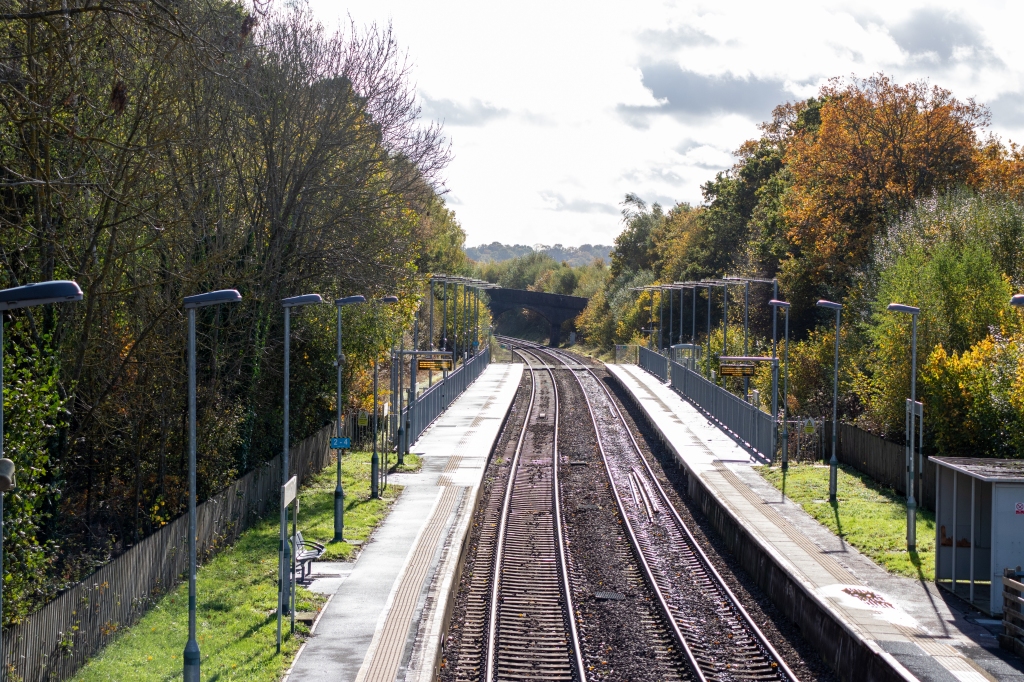
Below is a view from the footbridge towards Maidstone
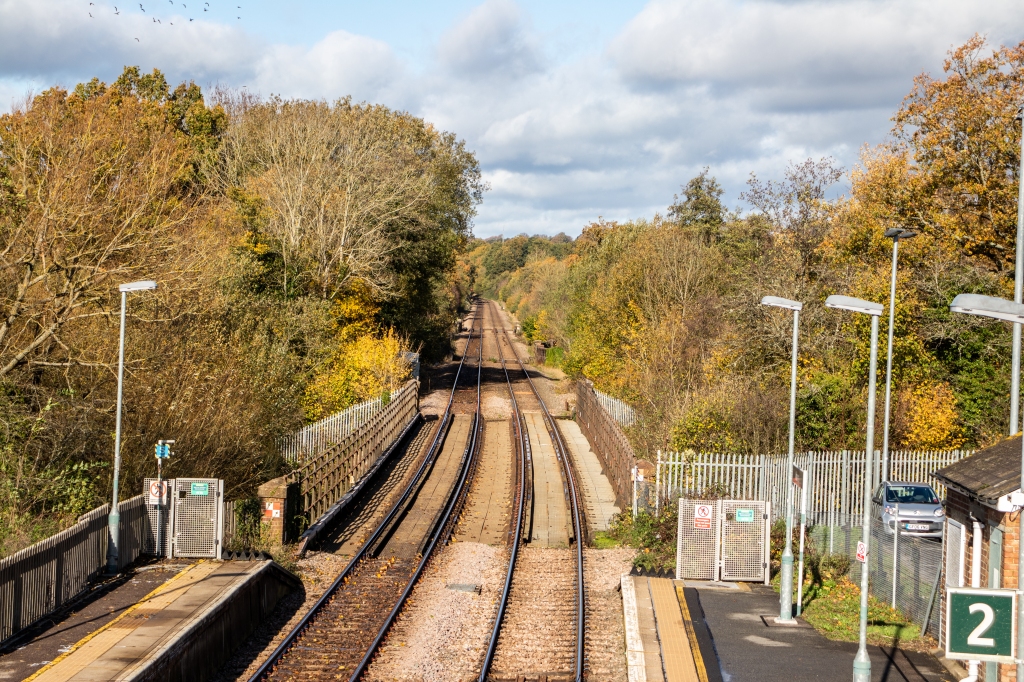
And here is a view towards Paddock Wood
For track views Yalding is a fantastic place. Freight and engineering trains are quite often on the route, check the Real Time Trains website for up to date details on workings. The straight track towards Paddock wood gives great views of all types of workings, whereas the Maidstone bound side has a great curve after the station for side on views. Couple this with mandatory horns because of foot crossings, and this is a great place to view freight.
Below is the Vlog associated with this post.
Many thanks for reading, please search for Rainham Rail Enthusiast on Facebook Instagram and YouTube.
Part of a new series on my YouTube channel, I visit all the top ten least used stations in Kent, starting with Ashurst.
Opened in 1888 by the London, Brighton and South Coast Railway, the station is at time of writing operated by Southern, a subsidiary of Govia Thameslink.
It has a reasonable sized car park next to it, one of only a handful on this list, and the overall setting is very pleasant. Below you can see the view along the tracks towards London.
Here is a view towards Ukfield. The line is actually known as the Ukfield branch of the Oxted line. Class 171 Diesel Multiple Units operate on the line at the time of writing.
The station has the usual help points, dot matrix displays, and two wooden shelters. There is also an additional modern shelter on the London bound platform.
A very pleasant station, with good views for the enthusiast, however traffic is mainly passenger.
For a full overview of the station, please view the YouTube video below.
Ill blog again next week with mini overview of the next on the list. Many thanks for reading.
Well, it is finally out of the bag, so to speak. My first book is now available to order on Amazon. I decided to self publish, and that was an eye opener let me tell you! I have learnt so much in the last year and three quarters since I started it, and I hope the finished result is going to be enjoyed by a few people at least.
But what is it about? Well here is the title:
‘This Train Terminates Here : London Railway Termini Up To 2020’
The book not only gives brief histories of the 14 London termini, but also gives a walkthrough of each one, highlighting the many statues, sculptures and plaques along the way.
I hope that anyone who reads the book will come away with better knowledge of these fantastic stations, and maybe will be tempted to visit one or more of them to see the articles themselves. I see the book as a snapshot of the current termini, as many may not be the same in the future (especially Euston).
Below is a link to the book, as well as a few photgraphs of the book, just to give you an idea.
Many thanks for reading. If you enjoyed this, please search for Rainham Rail Enthusiast on YouTube, Facebook and Instagram, Thank You.
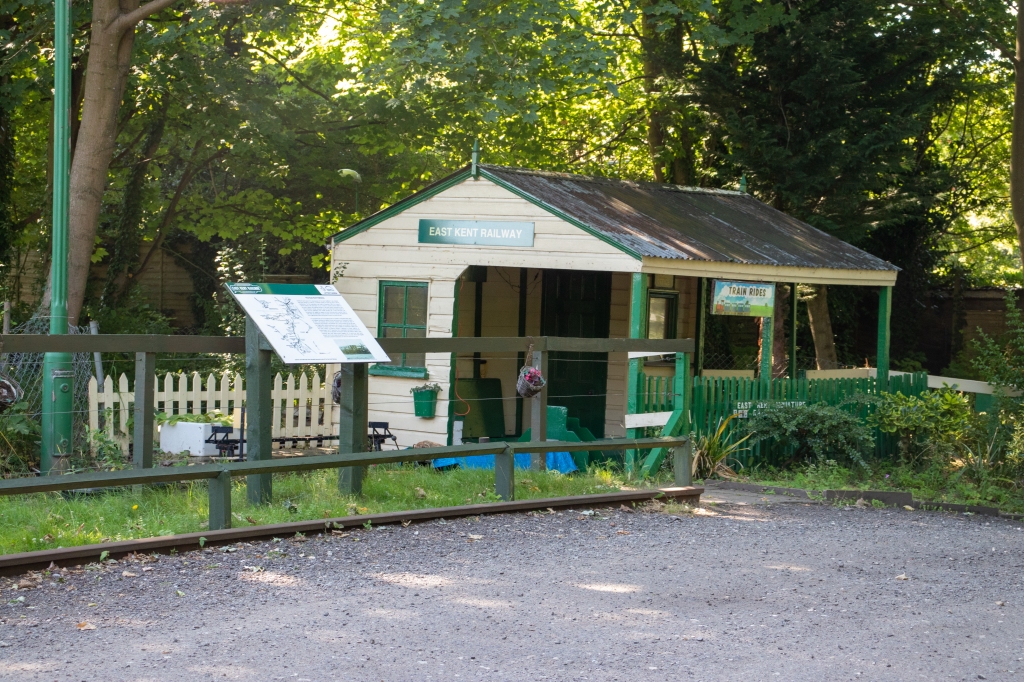
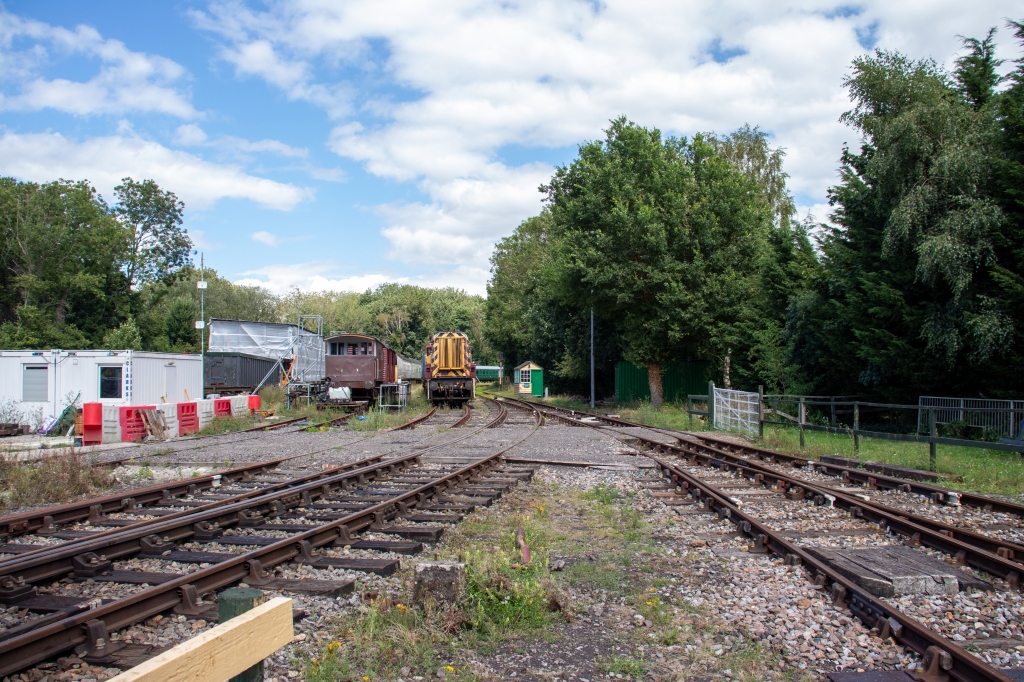
I visited the East Kent Railway at Shepherdswell in Kent on the 1st August 2020. It was their first running day since the lockdown due to Covid-19. I aim to showcase some of the things on offer at this fantastic heritage railway in this short blog.
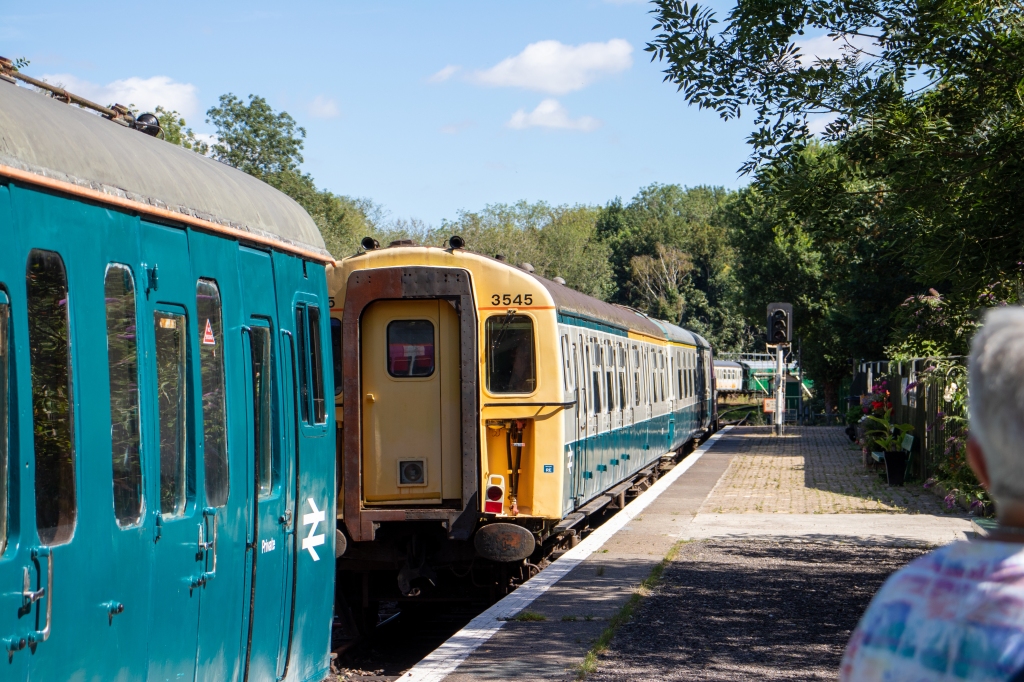
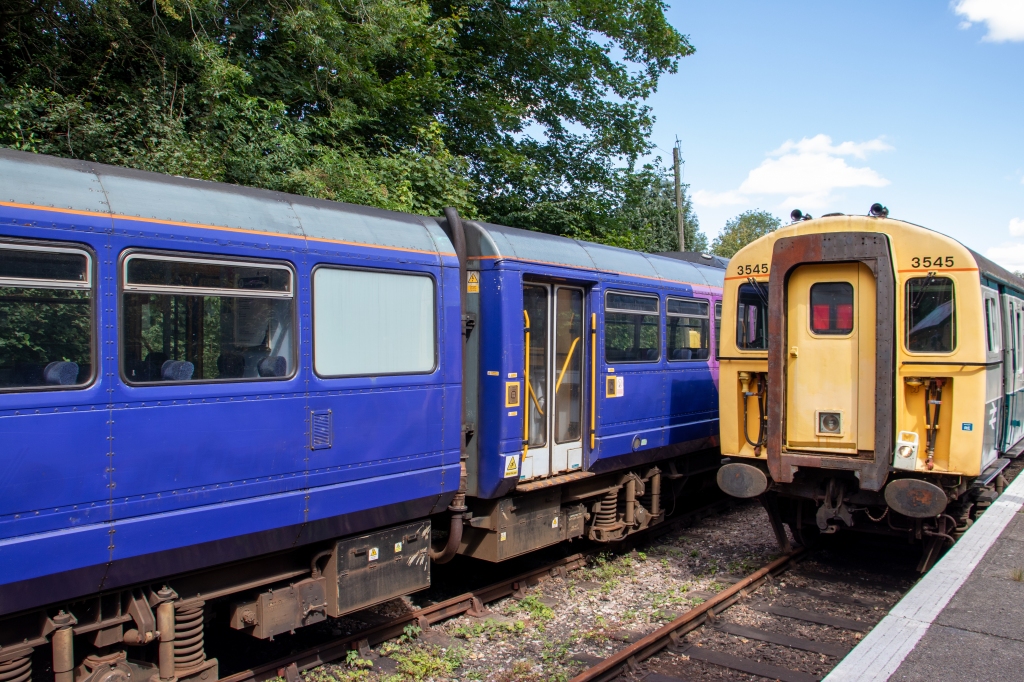
Firstly, the railway is home to a couple of MK2 carriages in BR Blue as well as a VEP DTC coach from 3545. These give a comfortable ride along the route, and for those who remeber travelling in these, a great feeling of nostalgia. They are usually hauled by diesel shunters or a steam locomotive.
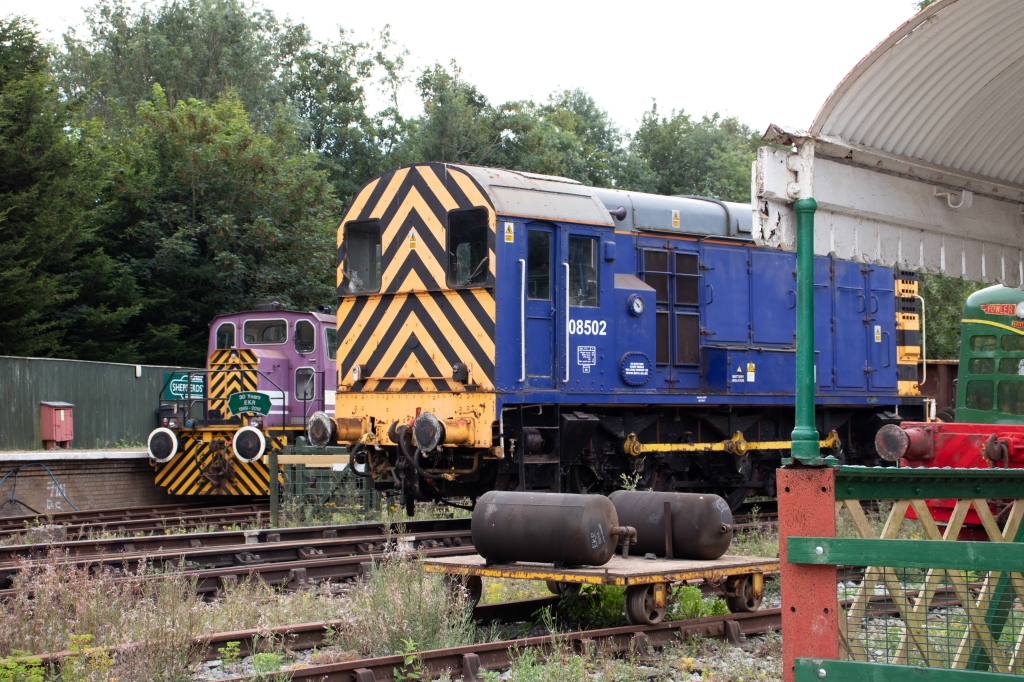
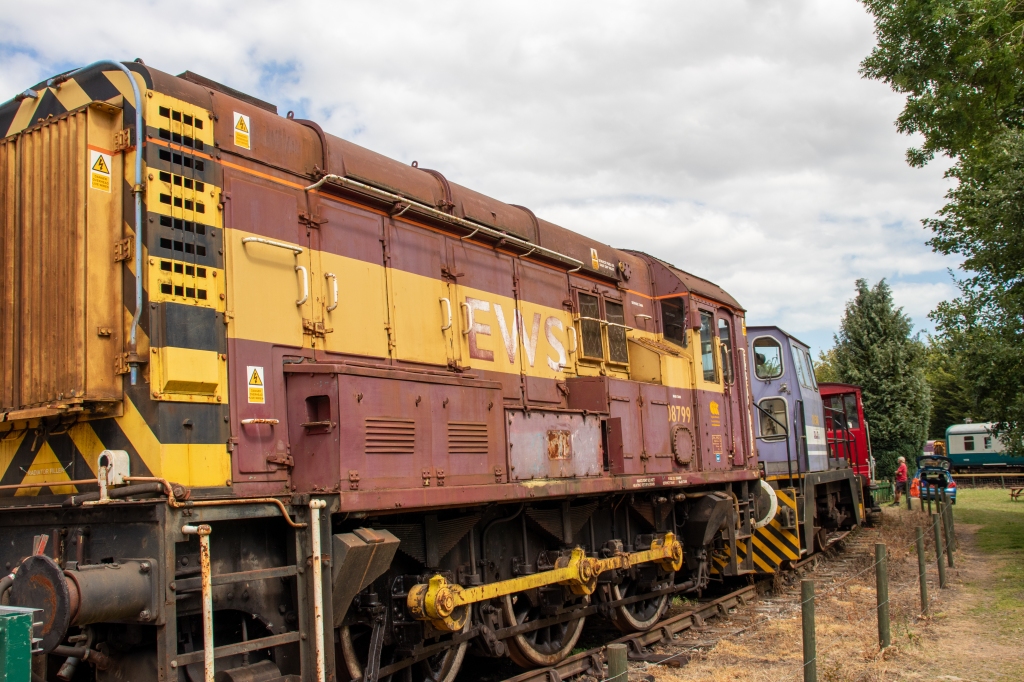
Taking of which, the diesels used comprise of either a Vanguard, or class 08 shunters. All are very well kept / restored and suit the line perfectly.
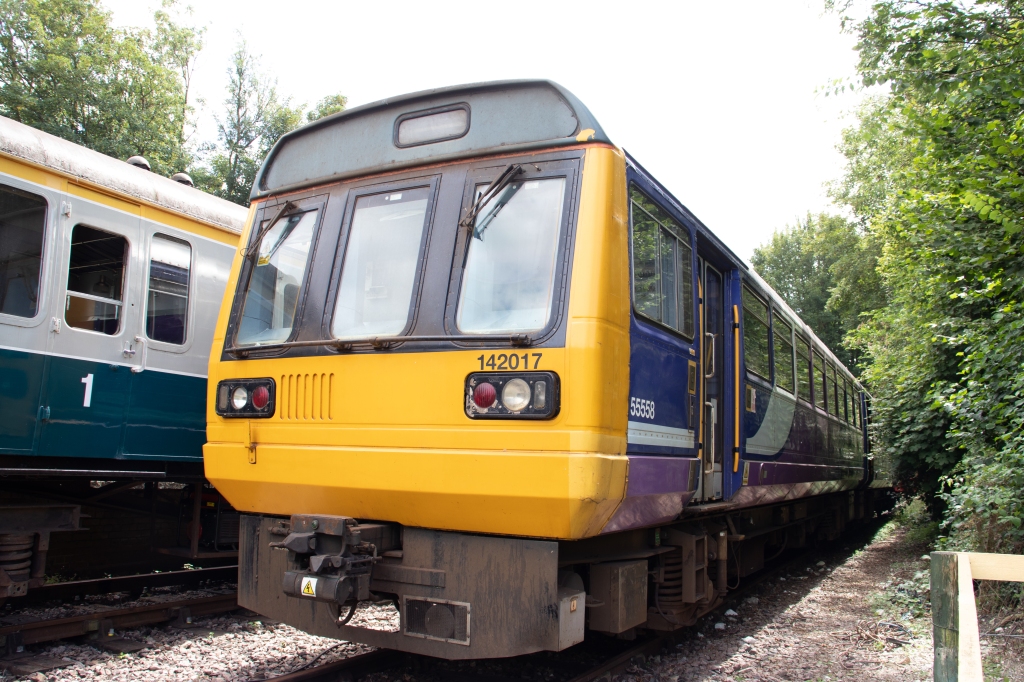
Hopefully soon, a very exiting new addition will run. The railway has acquired a pacer unit! This will fit the line perfectly, and with the availability of parts, hopefully be easy to maintain. I look forward to riding it soon.
The heritage line is complemented with two miniature railways (one is only in operation at time of writing, the woodland one). These give an entirely different experience, but one which is fun and well suited to the young visitors (or young at heart!!)
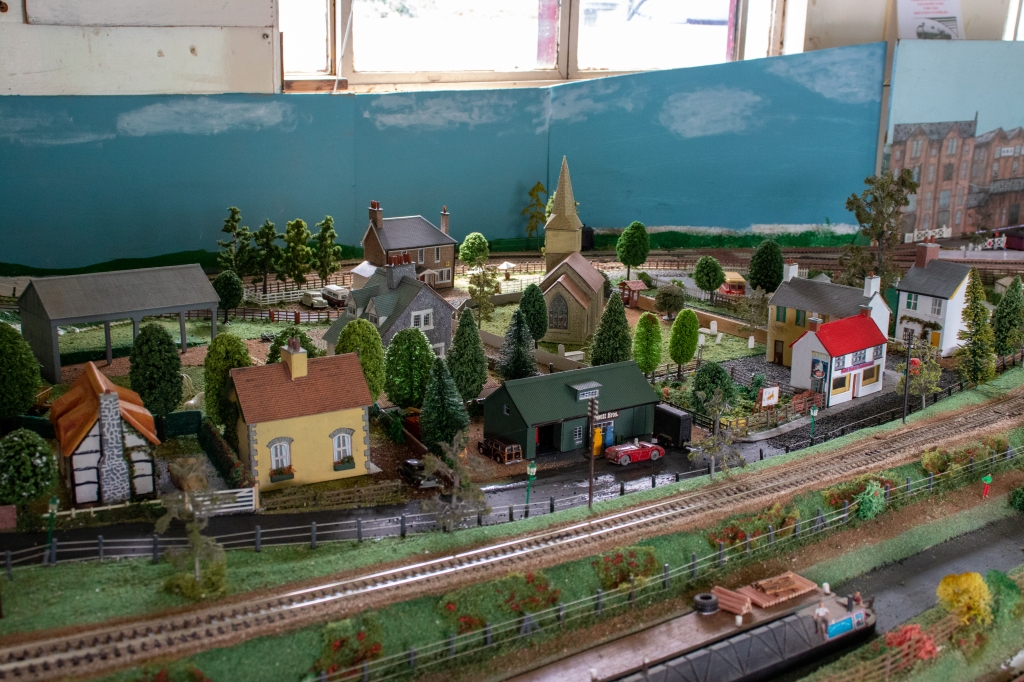
There are also two carriages which host a few model railway layouts, all of which are well run and modelled. There is always something interesting to see going round the layouts, and the operators are very enthusiastic about their work.
Add to all this, some really good woodland walks, being able to get up close to some of the stock, and of course a fantastic cafe which serves great food and drinks (milkshakes are fantastic).
I had looked at this railway before but never had been. I liked the rolling stock they have as it reminds me of my childhood. Even before this first visit, I had become a member, in order to help in a small way to keep this railway running through a difficault economic period. Visiting only confirmed that I had made the right choice, and I plan more visits in the future.
Below are a few photographs, plus a Vlog which I created detailing this visit. If you can, please visit this small but very well run railway, you won’t be disappointed.
Many thanks for reading. If you enjoyed, please search for Rainham Rail Enthusiast on YouTube, Facebook and Instagram – Thank You.
Well, all my best laid plans are in tatters, as least for now!! But on a serious note we should all as rail enthusiasts be observing the nations ‘lockdown’ and not going out enjoying our hobby. It will pass, and we will soon be able to once again photograph and video to our hearts content.
In the meantime, two things. Firstly, I am working on my London Transport Museum video. I shot this in November last year, but wasn’t happy with it and was going to re shoot. This however is now not possible at the mo, and so I will do an edit with the best footage I got. The reason for wanting a reshoot? Well basically I have a new camera, which enables me to get cleaner, less jerky footage. But I will put this together for now and hopefully later in the year update it with new video.
Secondly, and more importantly, as railway enthusiasts we all like the modern, but many value the past as well. Many of us visit our heritage railways during the year and sort of take them for granted. But this situation we find ourselves in couldn’t happen at a worst time of year for these attractions. Many would have been working towards a profitable Easter and summer period, but now just lie dormant, with only a handful of volunteers able to tend to and maintain both stock and building infrastructure.
This is where we can still help. If you are able, why not donate a small amount to your local or favourite (or both) heritage railway. It doesn’t need to be much, but if we can all pull together, we can help save rolling stock and these attractions for others to enjoy in the years to come. I myself have applied to become a member of the East Kent Railway Trust, where unique rolling stock is situated. It may only be a small line, but it’s importance in keeping the memeories of the Kent coalfields alive is invaluable. I am sure there are many more heritage railways around the country with similar ties to long gone industry which now more than ever need our help.
So please if you can, give a little to help keep these running. Lets hope that by at least mid summer we can get out and about again, and hopefully get back to video and photography.
Many thanks for reading.
If you wish please visit my YouTube, Facebook and Instagram pages, just search for Rainhamrailenthusiast in the relevant apps search bar.
So, let’s see what’s happening this year!! A project I’m working on is nearing completion, but hopefully more on that later in the year.
I shall be going to visit the East Kent Railway, Spa valley, Ridgmont and a YouTube project involving Kent stations.
Sorry for the lack of updates, but the secret squirrel project has taken up a lot of my spare time. What with that and work the blog has taken a bit of a backseat. All bring well though by the beginning of April more updates will be forthcoming.
Thanks for your time, and thanks for supporting me .
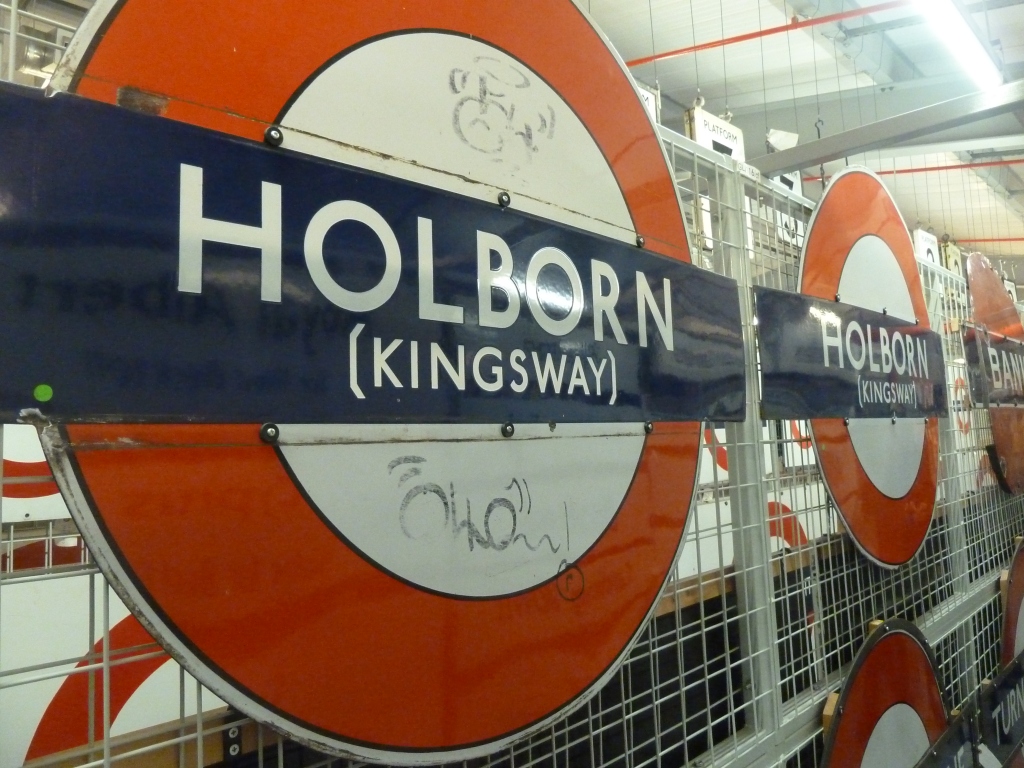
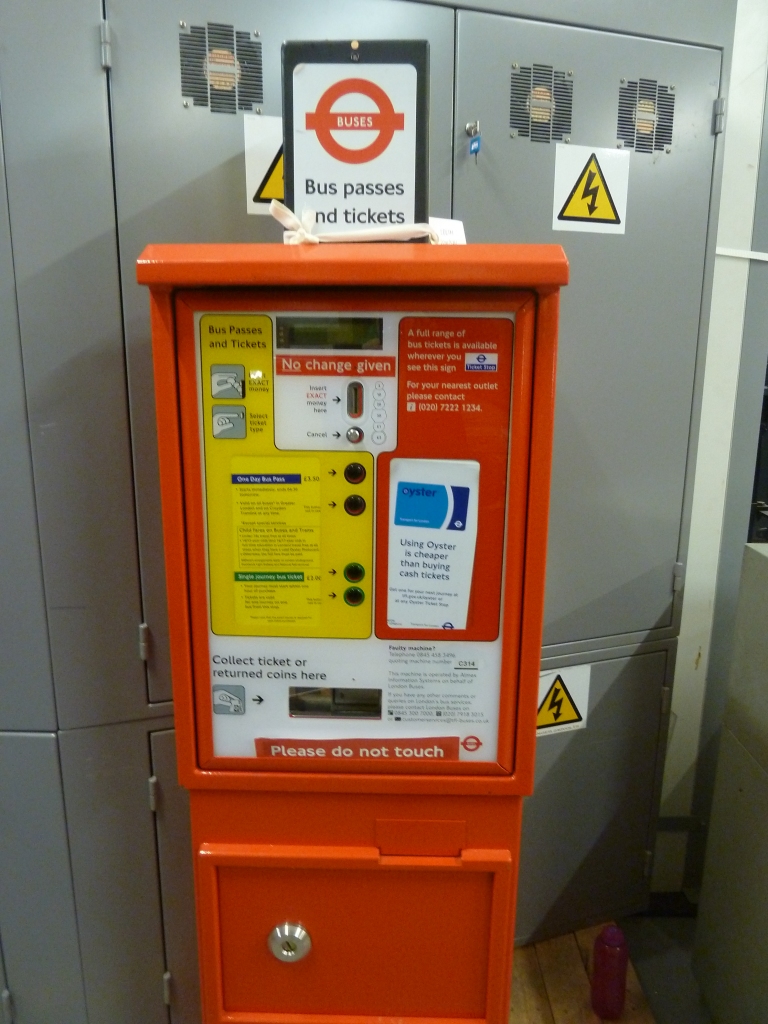
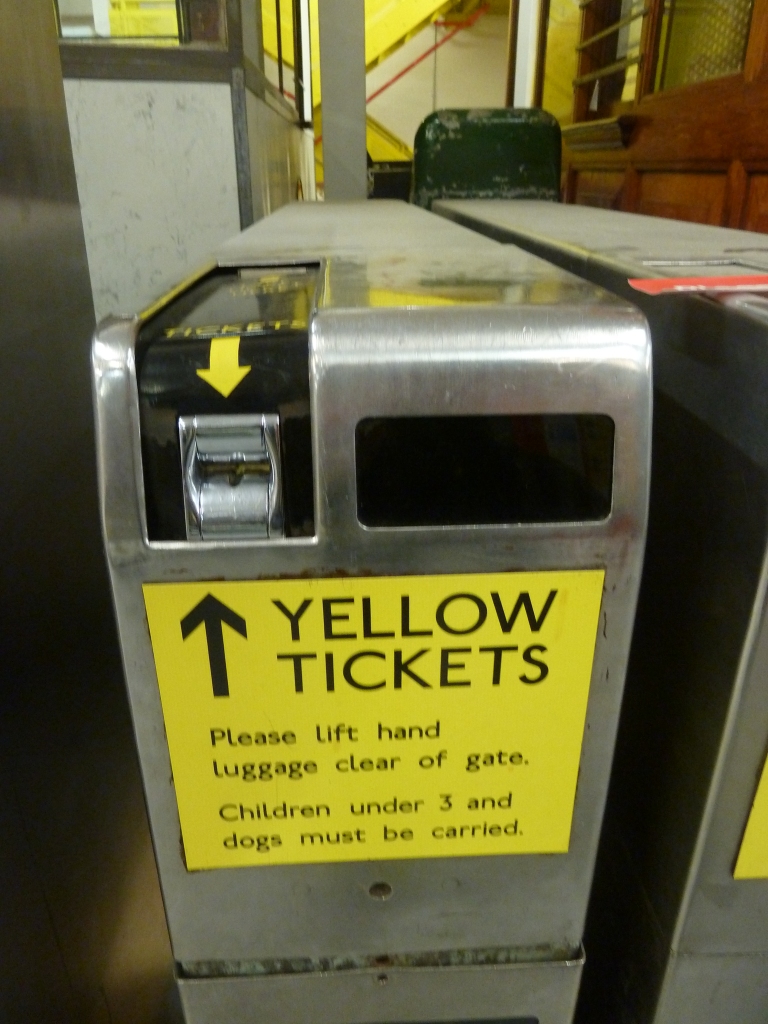
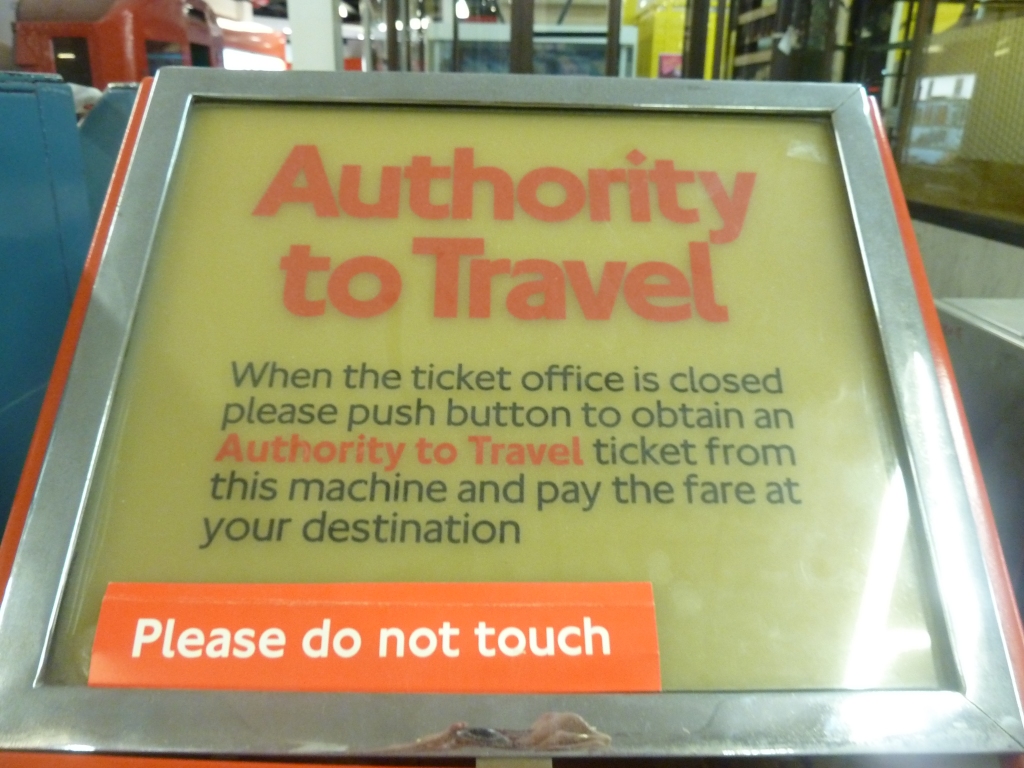
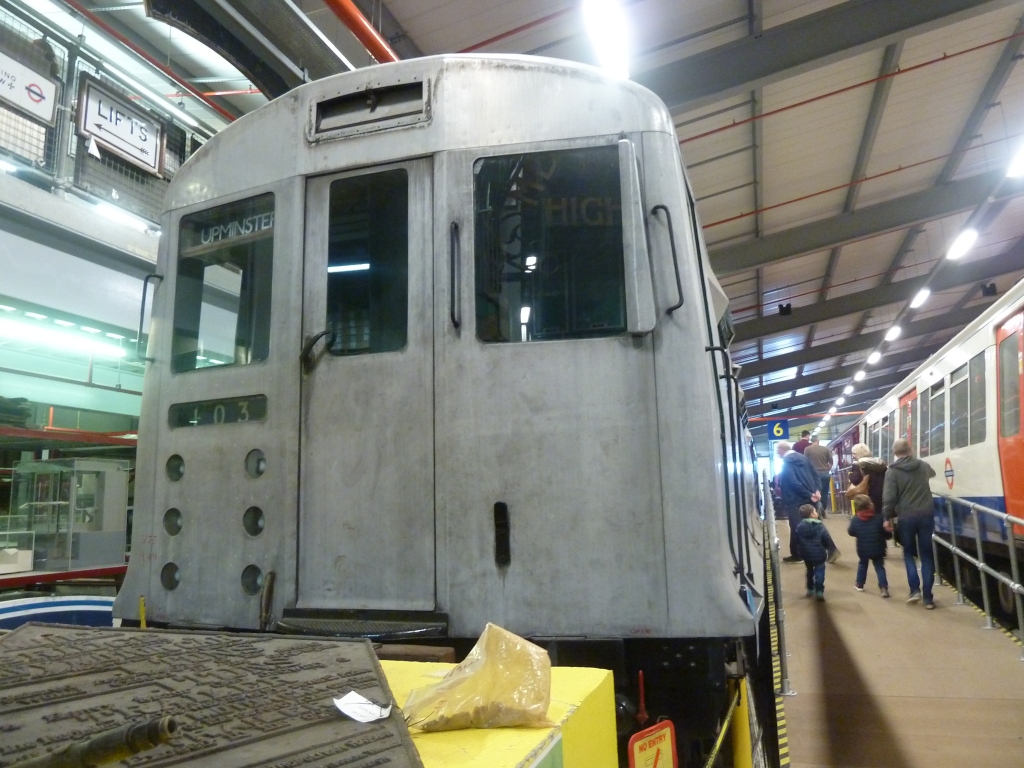
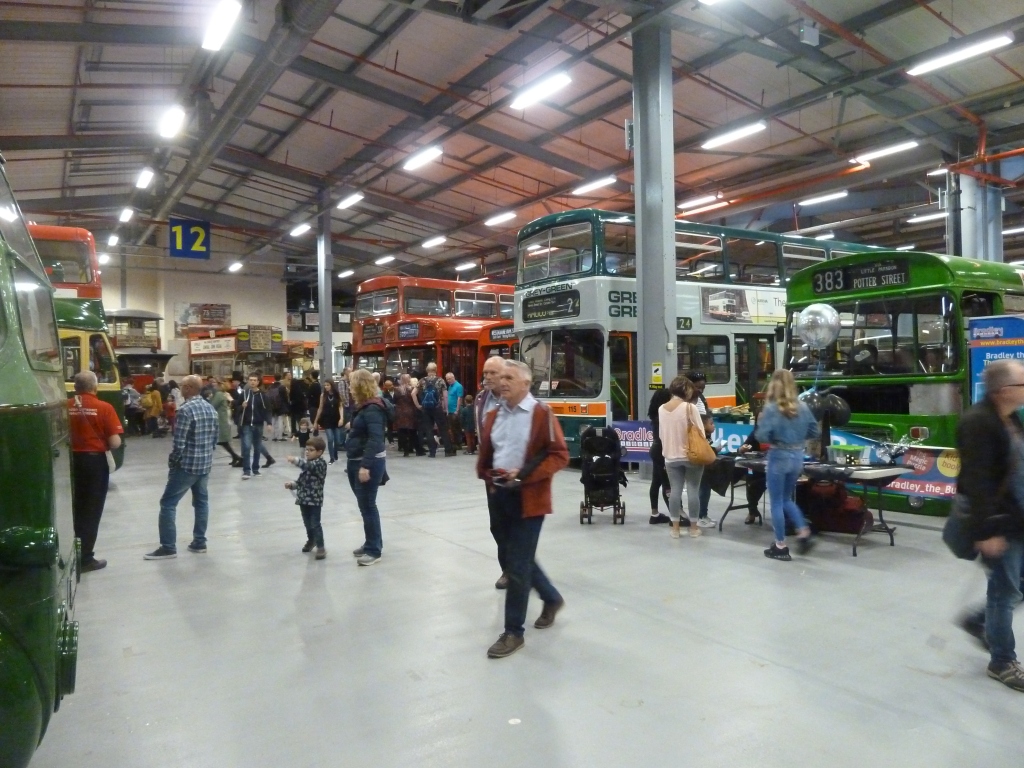
On sunday 29th September 2019, I visited the LTM Depot open day. The museum is in Acton, and can be reached on the Underground network via the Picadilly and District lines. The museum itself is a 5 minute walk across the road from the station.
The first thing to note as you approach the entrance was a small miniature railway which runs on event days such as this. Entrance to the site was very fluid, a quick check of my printed ticket and I was in.
You will see various large equipment from the underground network either side of you as you enter, and straight ahead there are rows of shelving stacked high to the roof with boxes. Stairs to the right of you take you up to a mezzanine level where on this day an interactive area was laid on for children. Great views can be had over the museum here, especially the tube stock.
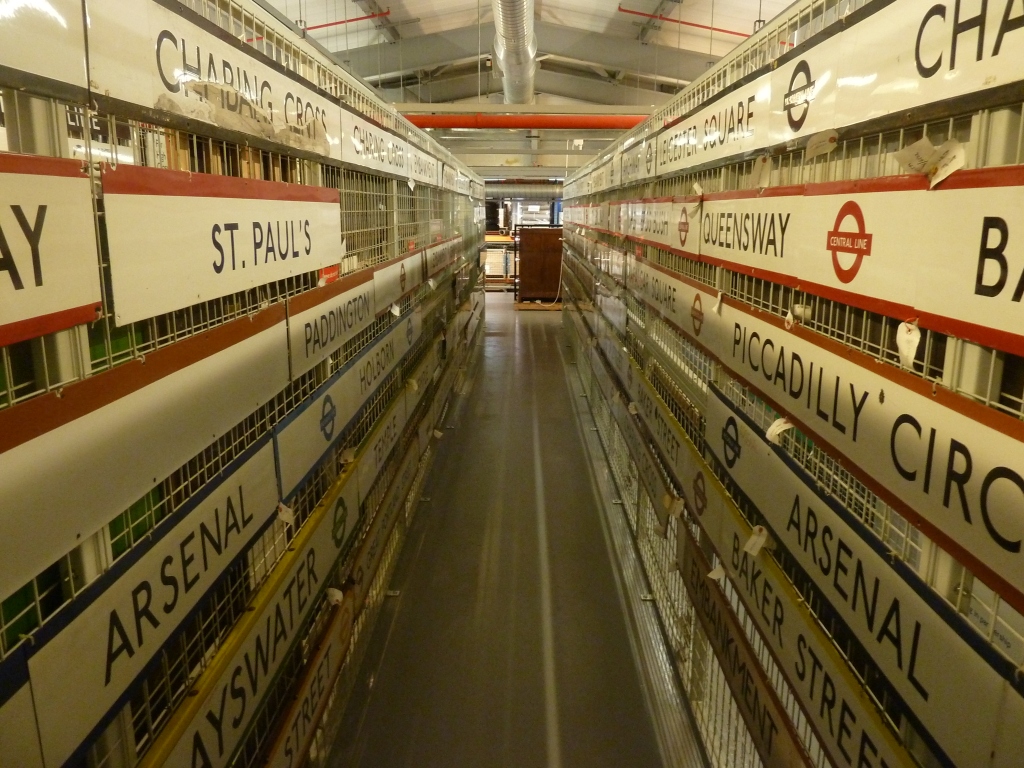
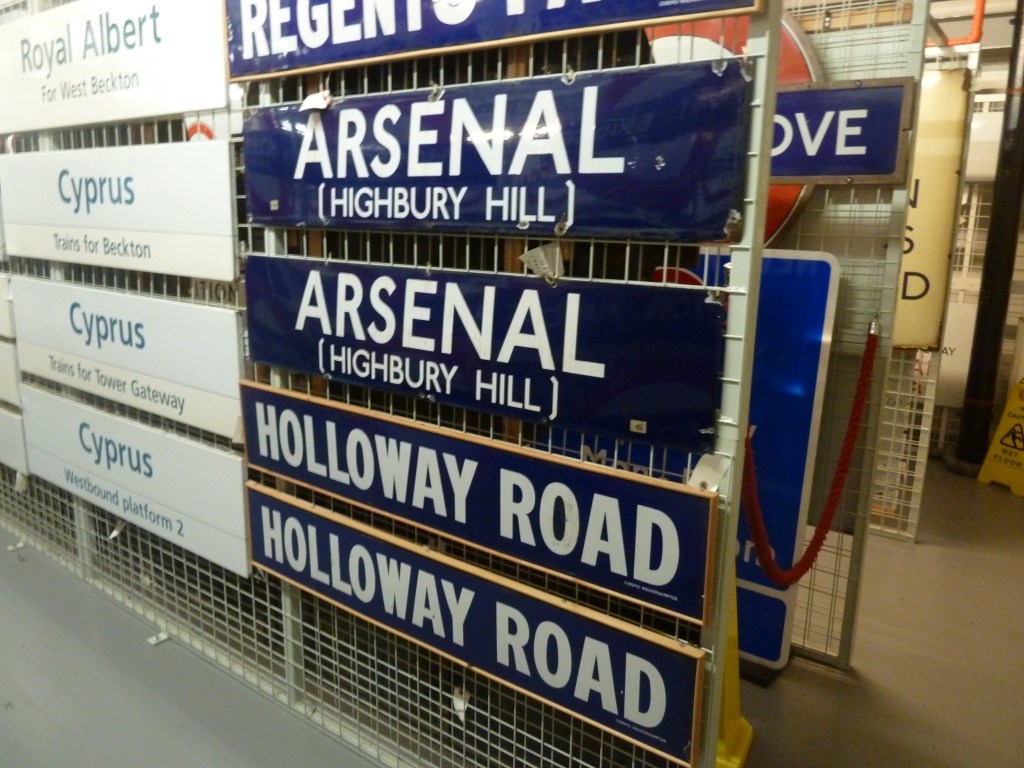
Before you get to the actual tube trains, go up the stairs to your left. This will take you to an area which contains a fantastic amount of old signage, and various models used in planning. As seen in these photos, you can easily spend 15 minutes + up here.
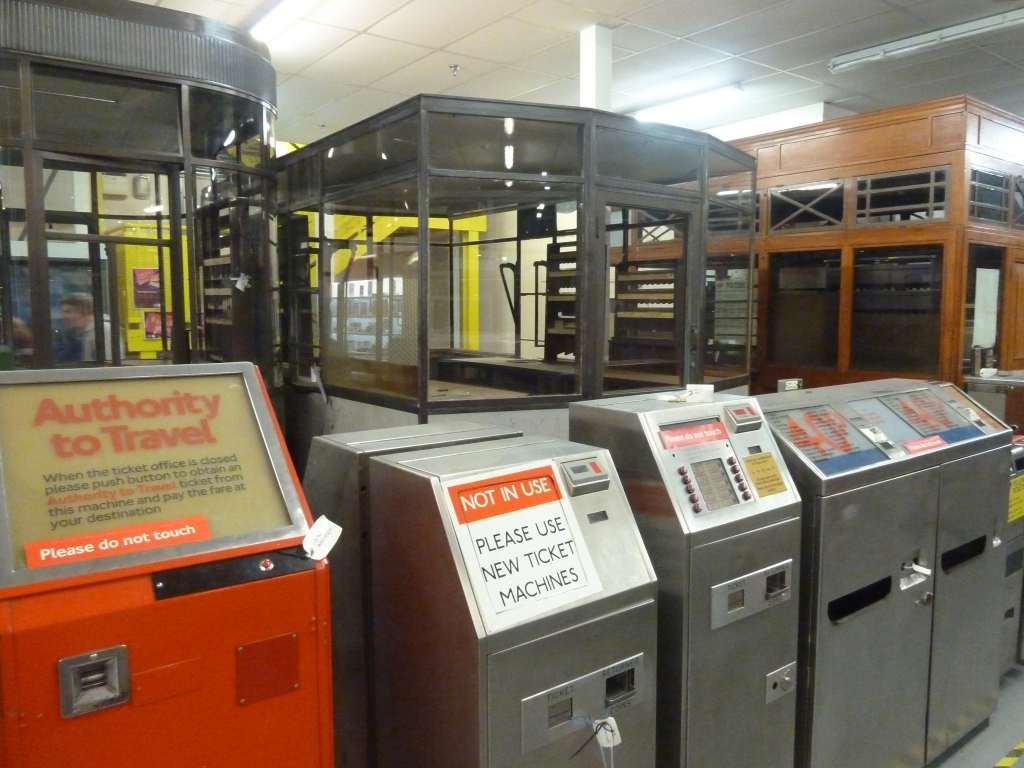
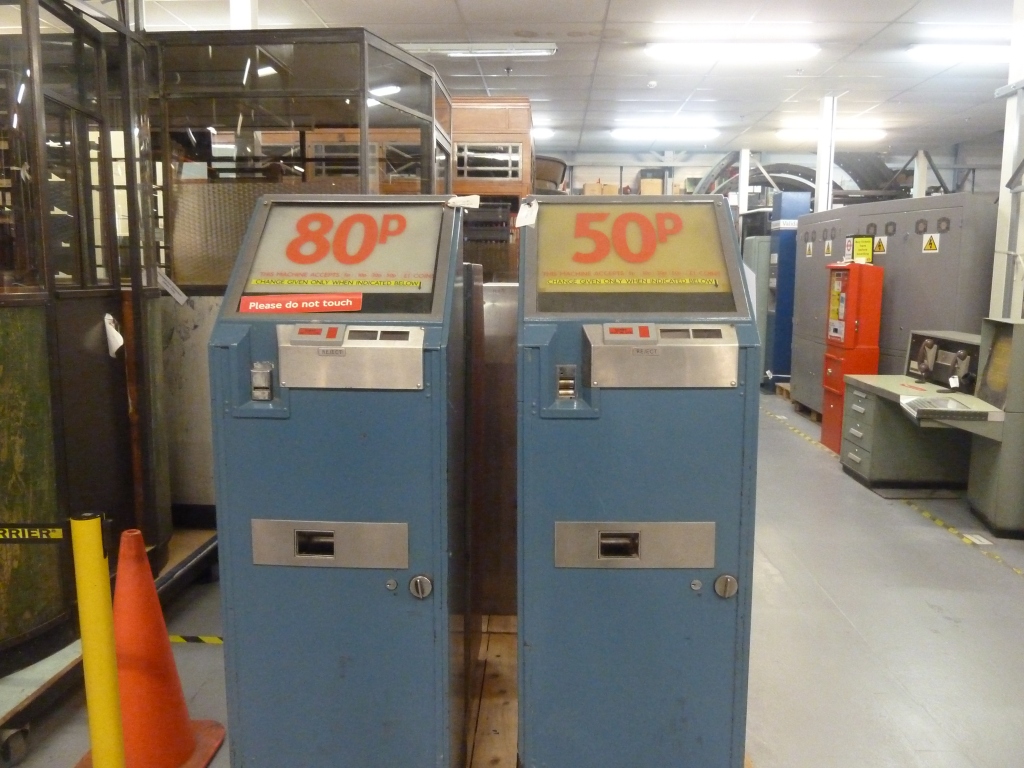
Before you view the tube stock, have a look at the old equipment in front of them, old ticket machines and barriers, and signalling equipment.
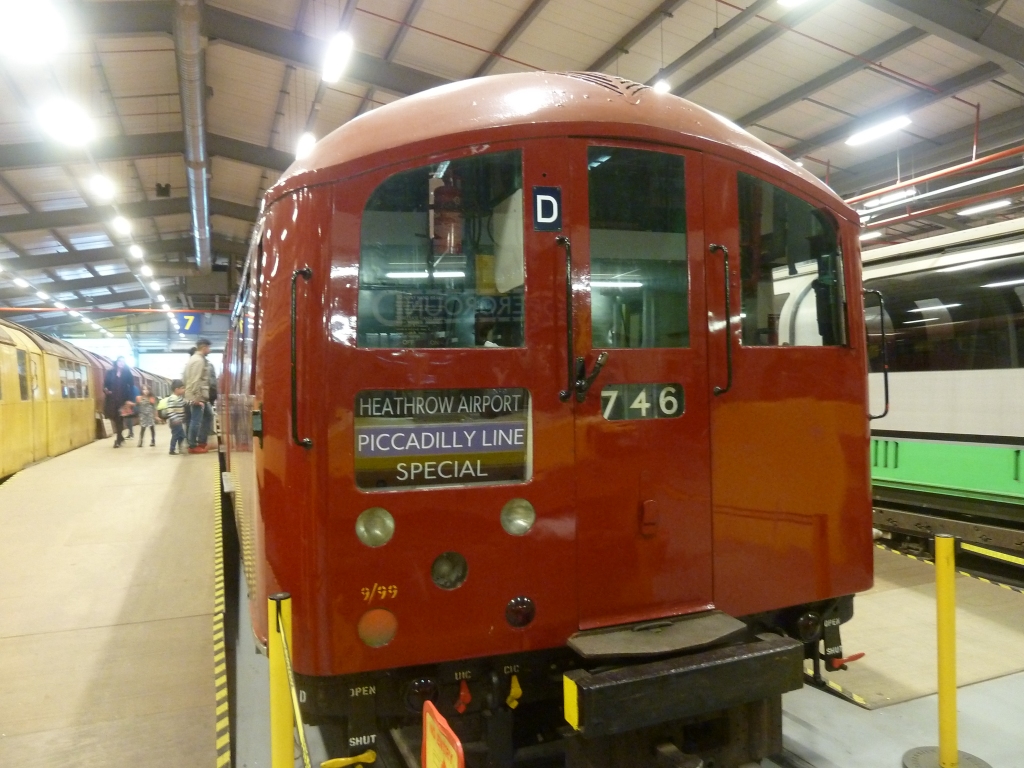
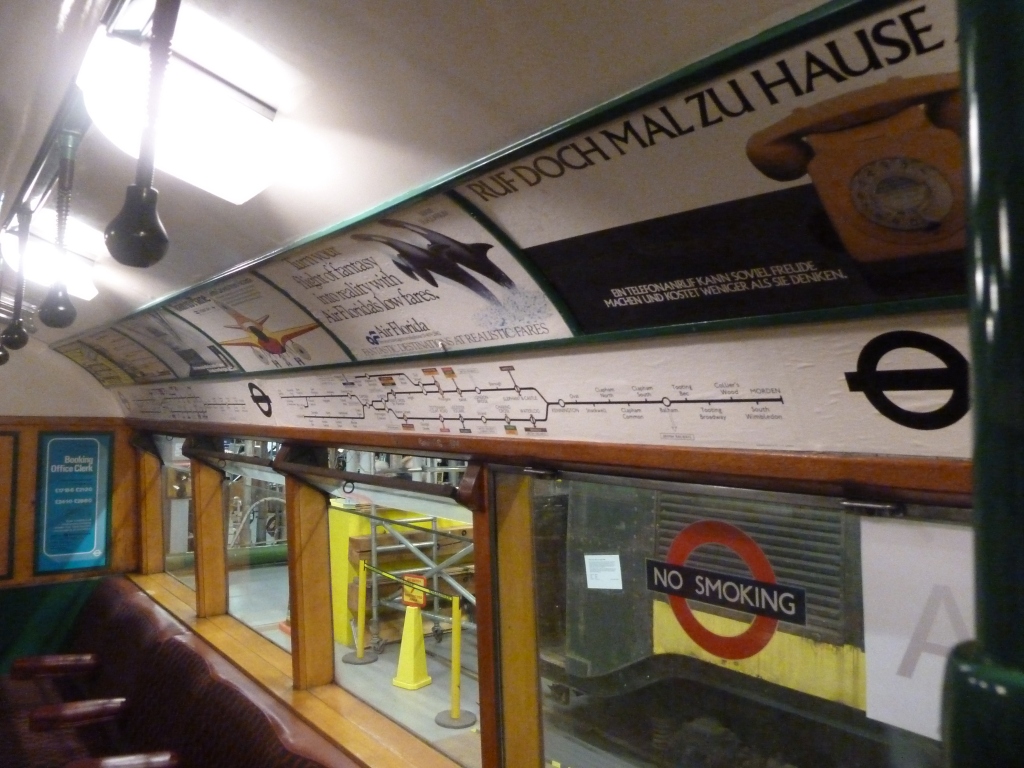
The variety of tube stock here is amazing. Everything is well laid out, and you can even enter some of the old trains. The level of refurbishment is exceptional, and has quite a nostalgic feel.
To the extreme right of the tube stock is an area dedicated to buses. Again the level of care in refurbishing these is exceptional.
Outside there was an area to buy various food and drink, and a place to sit down. No food and drink is allowed in the museum for obvious reasons.
I came on a day which was all about the London Termini, and the lectures provided were excellent. I also went on an included tour of the small item store, which was fantastic and lasted around 20 minutes. You have to sign up for this on the day, but they were quite regular.
Overall I would recommend going to visit this museum during its open days, the amount of heritage equipment, stock and signage on display is astounding. They only open it on select dates, and more specific tours are held on Saturdays throughout the year. Follow the link below the video to see if anything interests you.
Below is a video which i shot on the day, which gives an overall view of the museum.
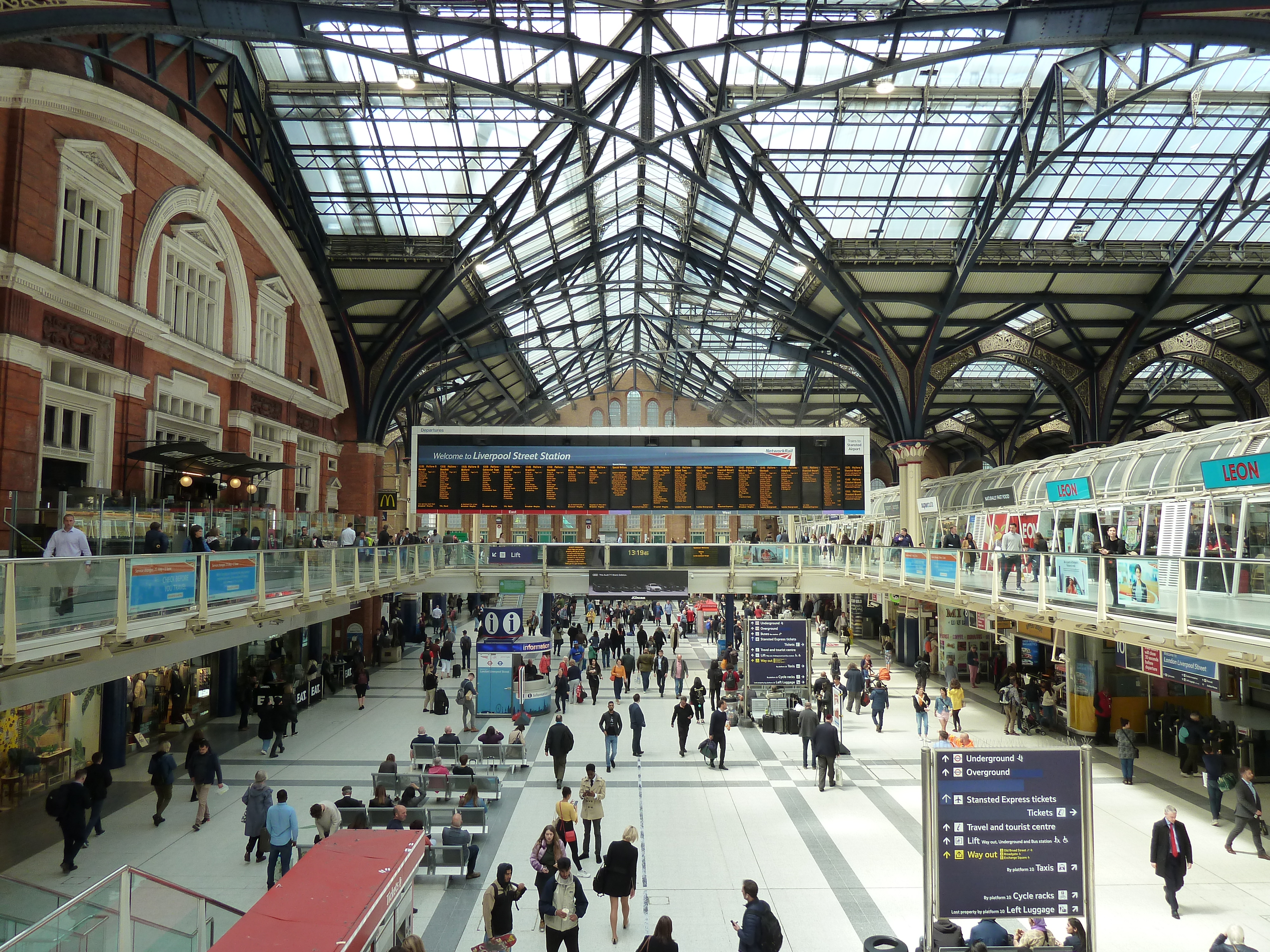
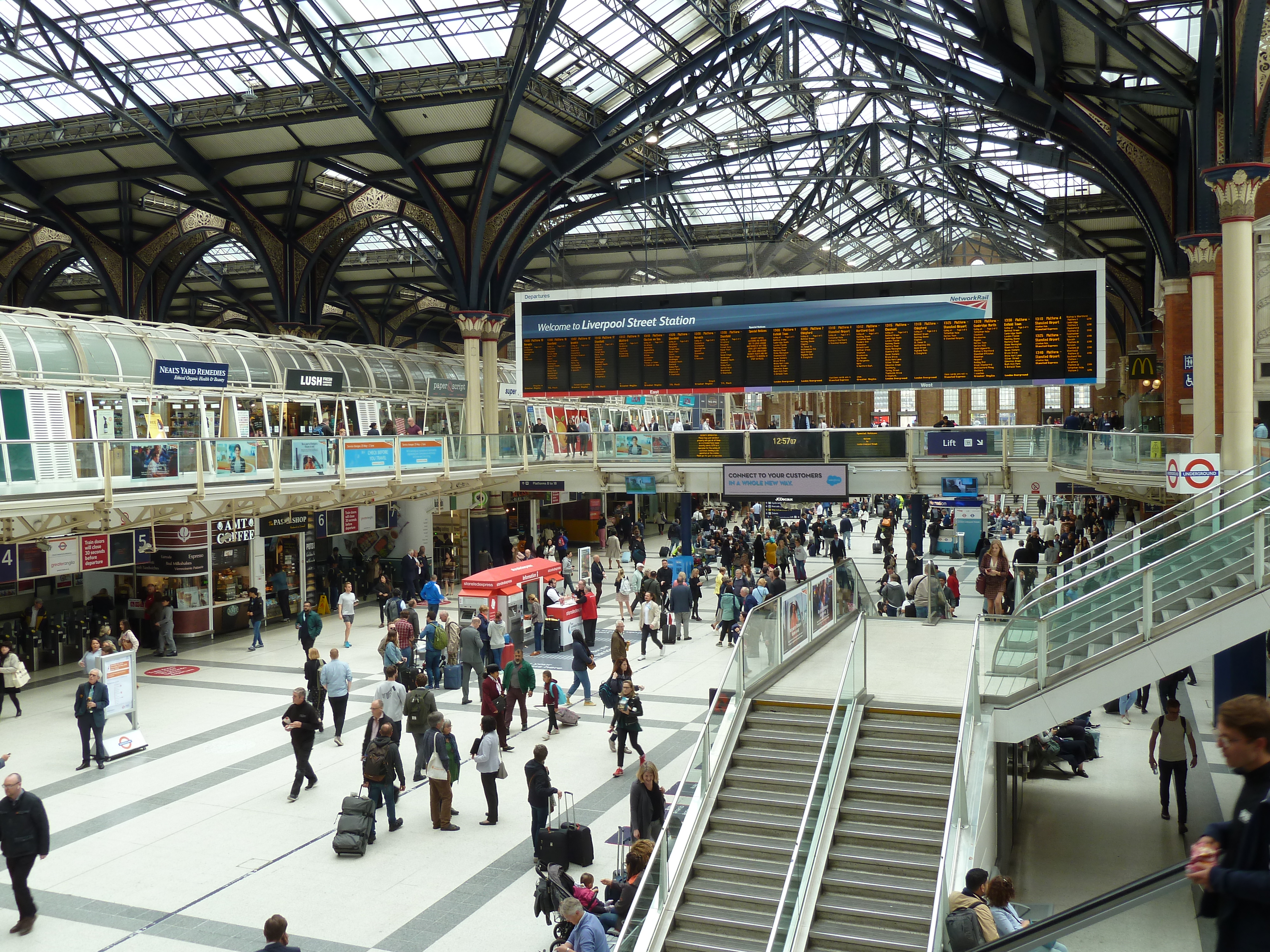
Once one of the busiest stations in London, Liverpool street has a very ornate interior much overlooked by its passengers. Having undergone many refurbishments in the years, the concourse now fills with natural light from the vast roof which spans it. Although now not as busy, the soon addition of the Elizabeth line may make this station a true hive of activity again.
A Brief History
London Liverpool Street was built to be the London terminus of the Eastern Counties Railway. Opened in 1874 with 10 platforms, two of which extended under the station forming a junction with the Metropolitan Railway.
Originally the buildings were 90ft high, with a spired clock tower. A hotel named “The Great Eastern” was built down the entire length of the new frontage. Many expansions came in the early years, which unfortunately created a myriad of entrance and exits. As well as this, the bridge used across the station was not wide enough and on two levels, which caused congestion and confusion for passengers wondering which part of the bridge they should be on.
The station is probably most famous for its role in welcoming children of the “Kindertransport”, an operation started in 1938 to bring children from the ever expanding Nazi Germany. The first children arrived on December 2nd 1938, and by September of the following year, almost 10,000 children would arrive into Liverpool Street, many of which landed at Harwich.
After being damaged in the Second World War, the station remained in a poor state until the 1960’s, when British Rail rebuilt and refurbished the station, giving it a new clock tower.
It was therefore a surprise that in 1974, British Rail would earmark the Liverpool Street station building to be demolished, and an underground terminus put in it’s place. Many campaigns were launched by eminent figures of the day, including the comedian Spike Milligan, to stop the bulldozers from destroying such a beautiful example of a London Terminus. Eventually after a few years, the tireless campaigning worked and Liverpool Street was saved.
A full refurbishment was again undertaken in the 1980s, with the train shed roof being fully repaired and restored. The main roof would follow in 1987. At this time a link would be established to the Cambridge line, enabling trains to terminate at Liverpool Street instead of Broad street. The entire work was finished in 1991, and the station was officially re-opened by the Queen.
Since 2013, the site has had many excavations in preparation for the Elizabeth Line. During one of these, a mass grave was found on the site of the “Bedlam” burial ground, dating back to the 17th Century. This lead to a full excavation of the area, recovering what is believed to be 3,000 bodies.
A quick view of the station today
Due to its complex nature, you could start anywhere at Liverpool street and still get great views. Howver for the sake of this quick walkthrough, we will start at the entrance at Hope Square in Liverpool Street.
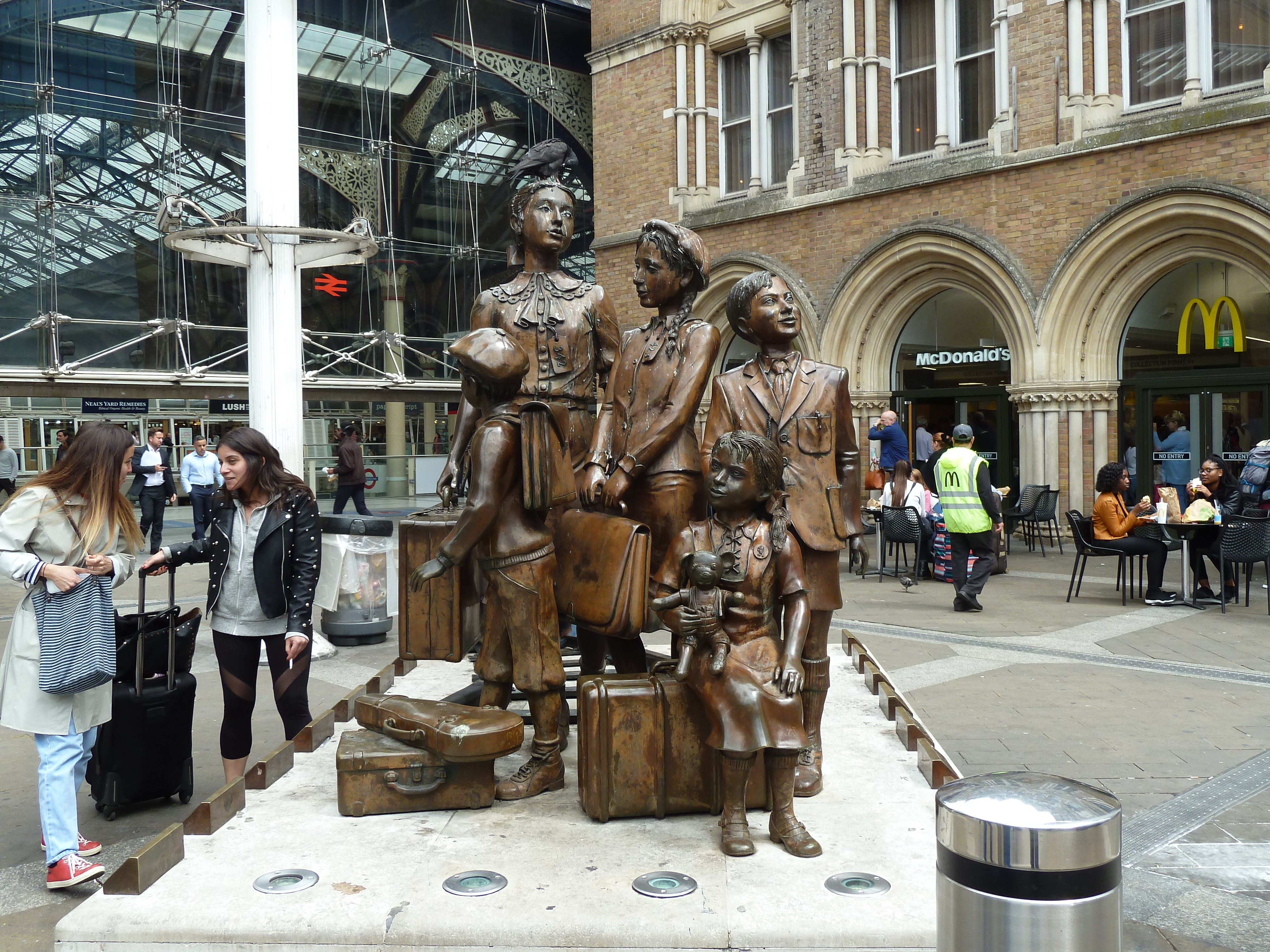
Going through the gates, you will be greeted by the ‘Kindertransport’ statue in front of the glass fronted entrance. Take time at this statue to read the plaques and appreciate this significant event in history.
The ‘New’ Kindertransport Statue in Hope Square
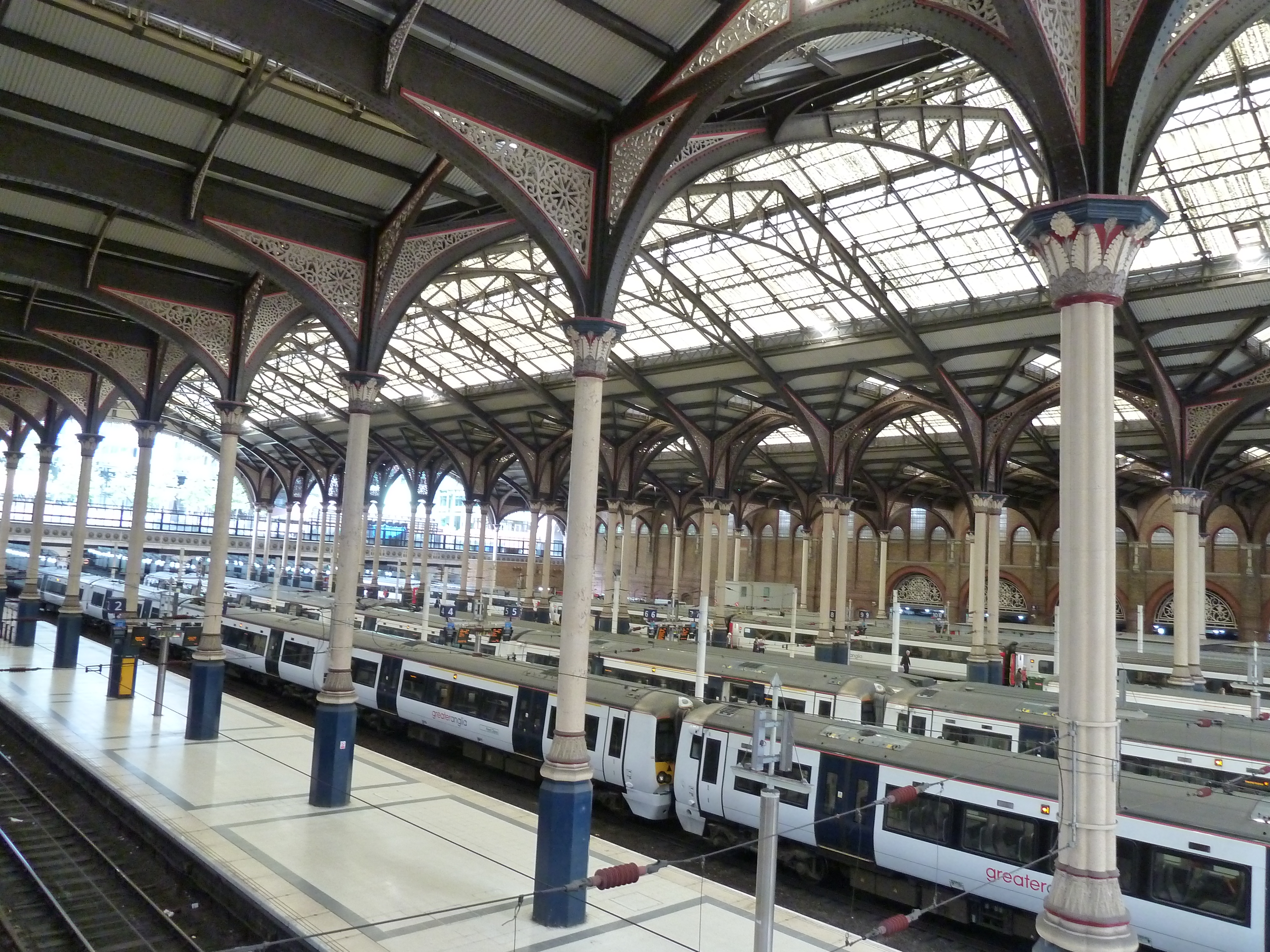
If we now go through the entrance, you will gain the first look at the roof, with the concourse opening out below you. You are on the mezzanine level at this point, so take some time to look around you, admiring the columns which hold up the glass roof which is allowing natural light to flood in.
Looking left, you will see some arched windows, move toward these and then turn towards the concourse, so that you are looking straight down it. It is one of the best views of any London Terminus in my opinion, and a great photo if you can get it.
Move back along the mezzanine, a row of retail is ahead and to your right, but if you carry on down into a corridor, the exit to the bus station will eventally be on your left. Keep going down here for a very good view across the platforms.
A view across the platforms, note the abundance of highly decorated columns.
Once, you have seen the the platforms, with the fantastic train shed above, head back to the mezzanine level and turn left, so that you can see the arrival and departure board ahead of you, hanging above the concourse.
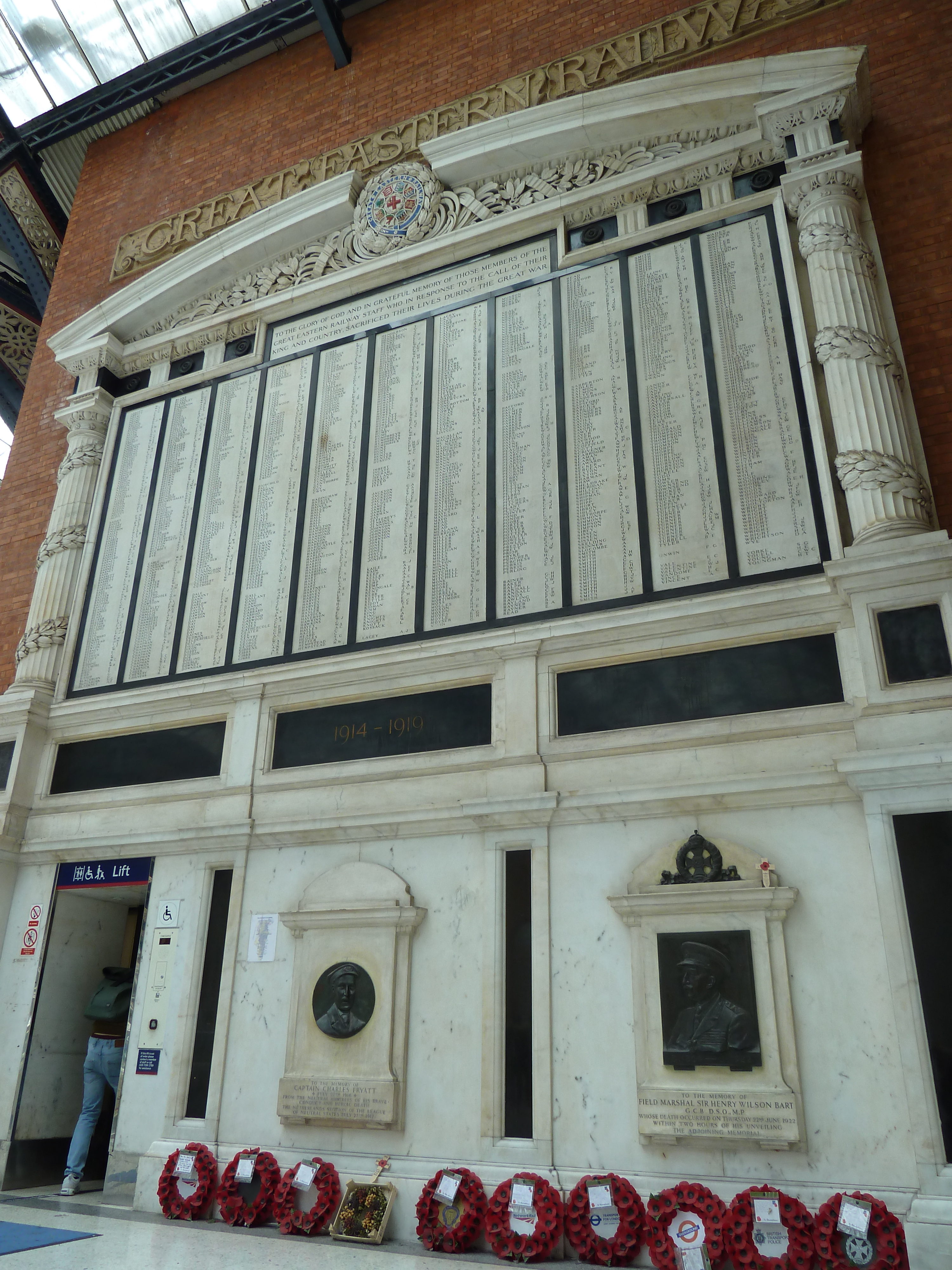
Once you get to the board, turn right and go underneath it, good views can be had of the concourse left and right here. At the other side, turn right and then left, you should see a rather large marble mural which reaches up toward the roof. This great marble structure is one of the best dedications to those who lost their lives during the First World War at any railway station. Below it are dedications to Captain Charles Fryatt and Sir Henry Wilson, both of whom were decorated in the Great War. Many other dedications and wreaths are normally to be found under these.
The First World War Memorial
Go back past the memorial and then past the departure board, and you should find on your right three brick reliefs. These depict a steam train, a ship and a scene involving coal being put into a firebox.
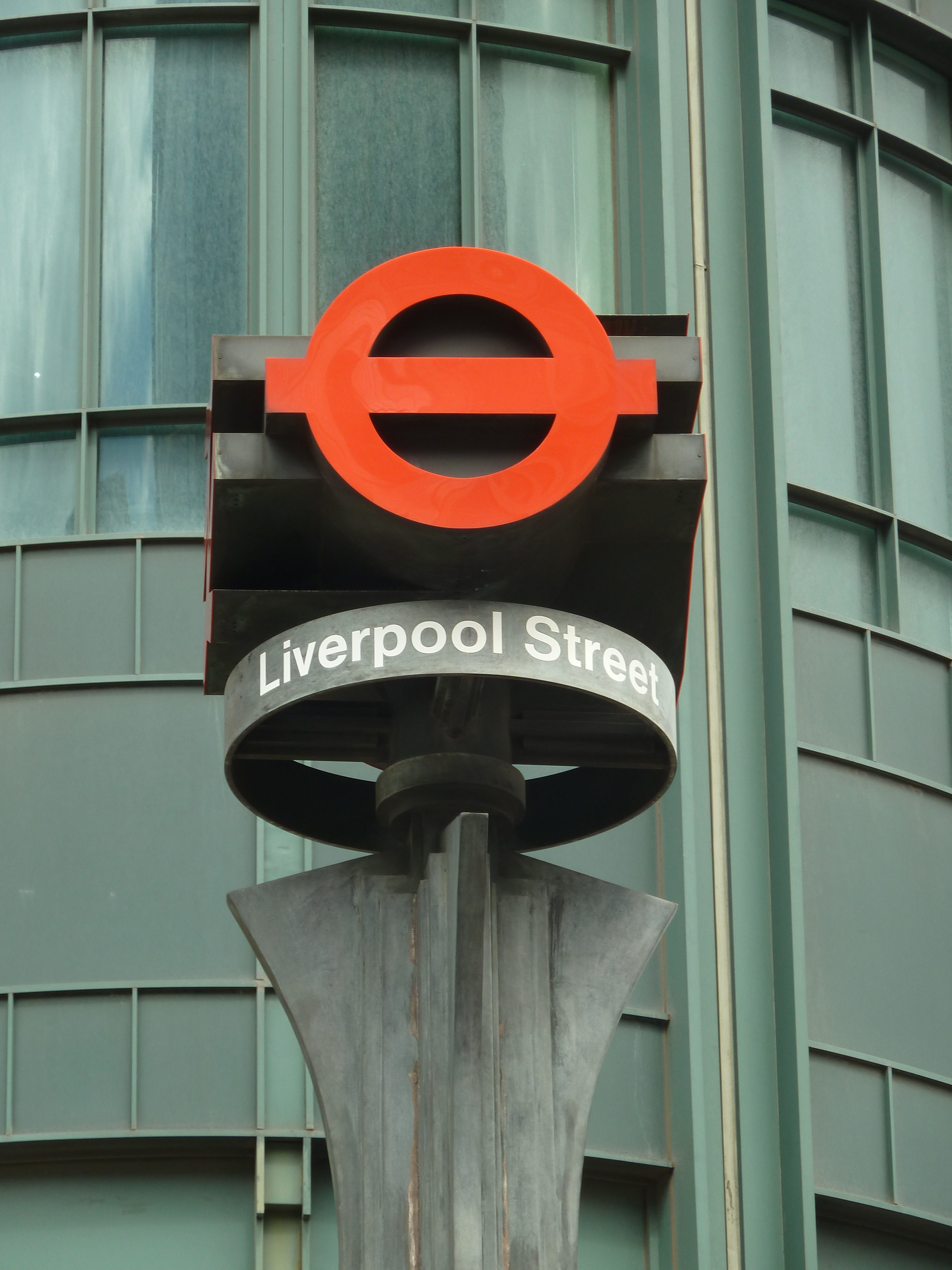
You will now see an exit which takes you out onto Bishopsgate. The former Great Eastern Hotel is to your left, and the original ballroom ceiling can be seen if you enter this building (which is now a major chain pub). Looking back towards the station you will see a glass canopy with escalators down to concourse level. This is framed with two brick columns, one with a clock tower. Also to be found here to your right is a very unusual metal totem with a London Underground roundel and the Liverpool Street name underneath.
Totem in Bishopsgate
Take the escalators down to the main concourse. Walk forward here and again admire the roof structure. Keep to your left here as you walk along. There are lots of places to sit here, and a set of escalators will take you down to the toilets. Go past these, keeping left until you almost reach the entrance to the Underground station.
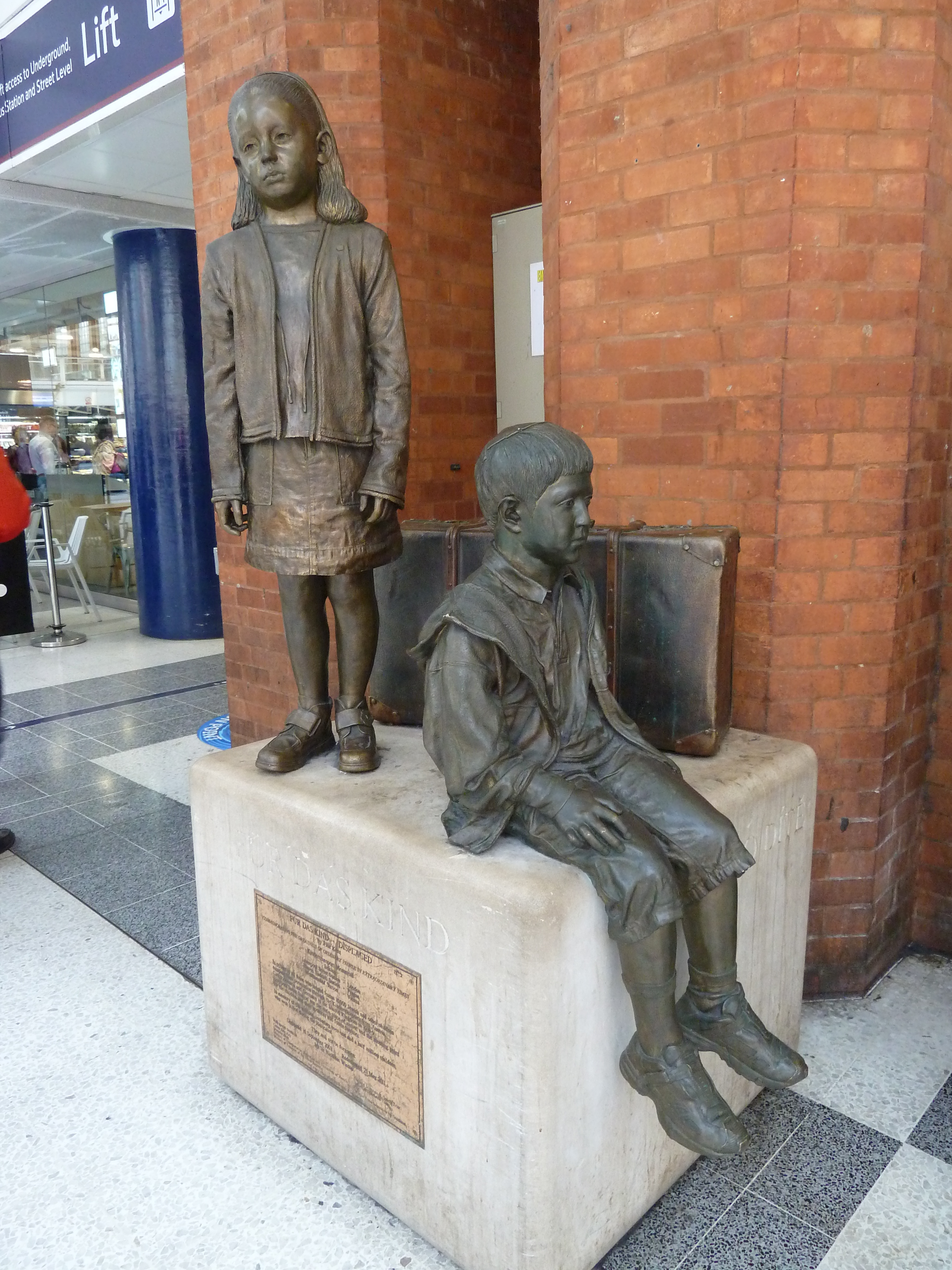
You will then see another statue dedicated to the Kindertransport. This was the original one dedicated in 2003, and used to sit in Hope Square. When it was there it contained a glass box with actual artifacts from some of the children, with the standing girl only. When it was relocated however, a sitting boy was added and the glass box removed.
Kindertransport statue near Underground entrance
Moving past the Underground entrance, there is another exit ahead of you which takes you to an area with a low veiling and retail outlets. Eventually it leads to the Bus station.
London Liverpool Street is not the largest London Terminus, but this and Marylebone do keep the charm of the old railway, and although I have detailed a few hidden gems, but there are more (but that’s for another time…)
A view from the Liverpool Street end
You can see a short video of the trains at Liverpool Street on my YouTube channel below:
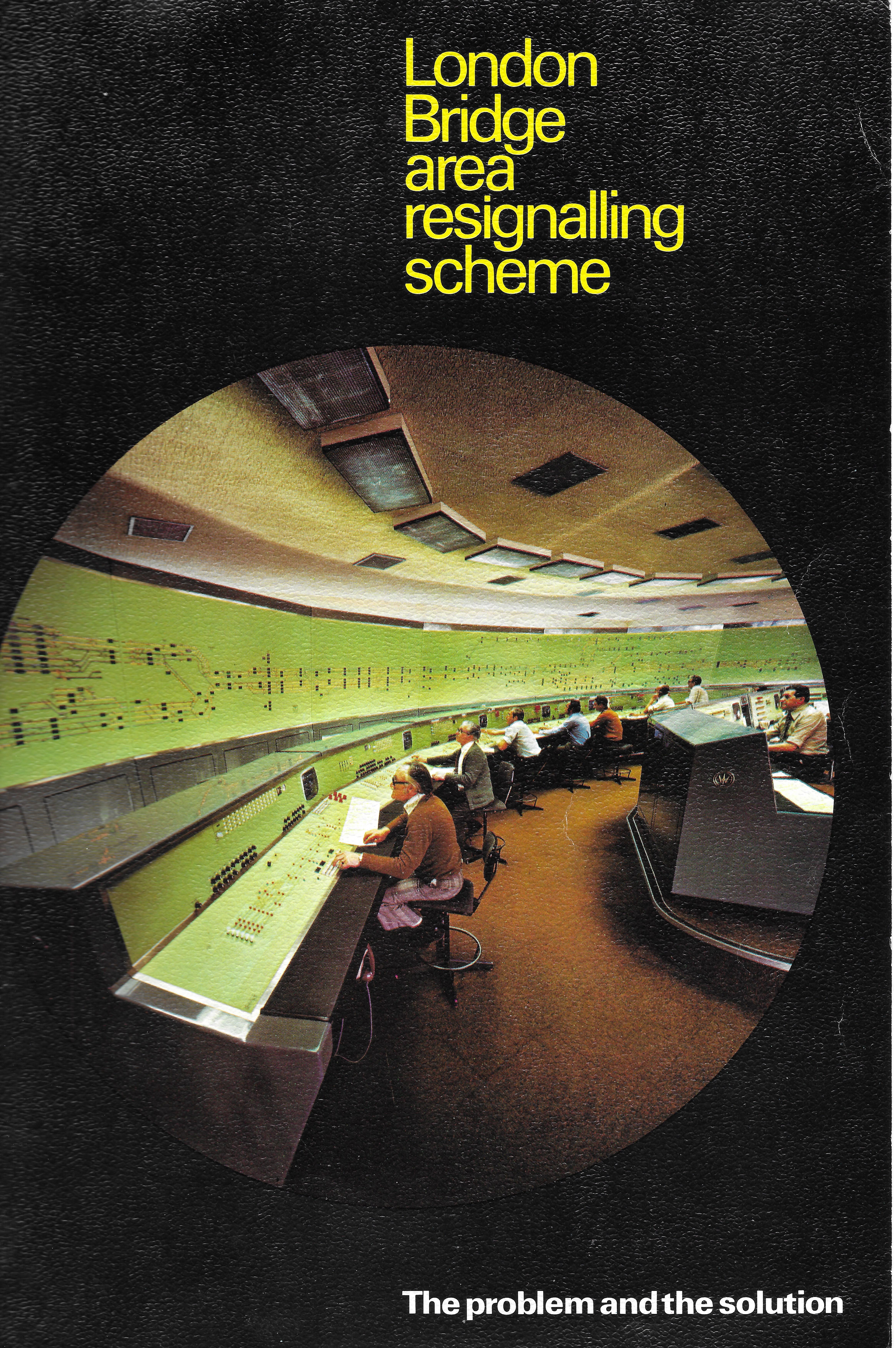
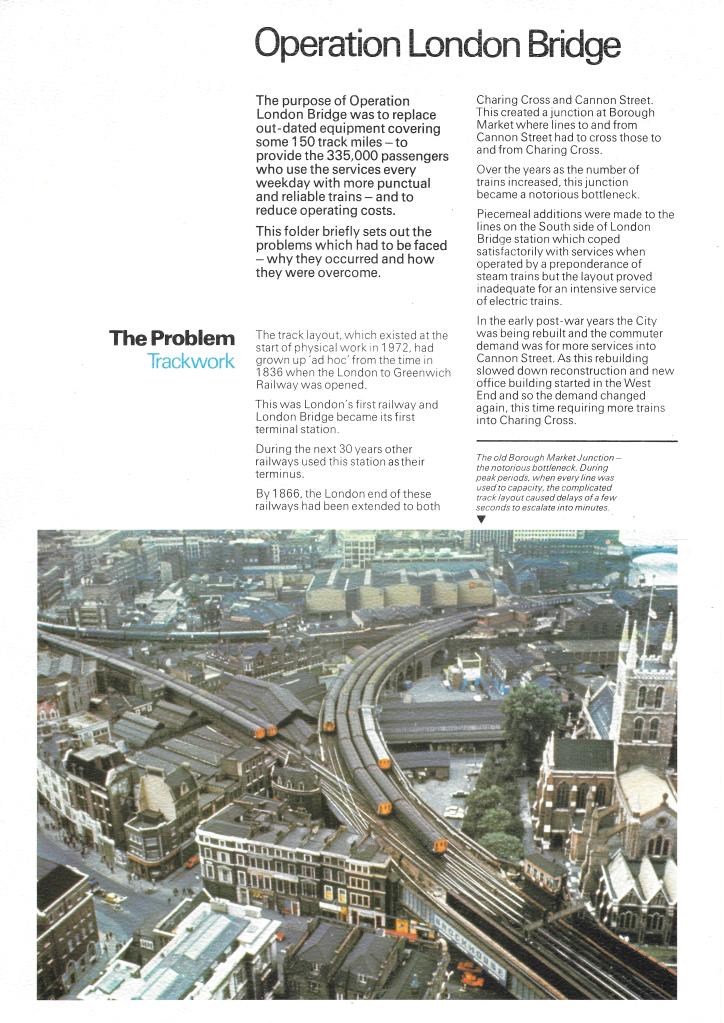
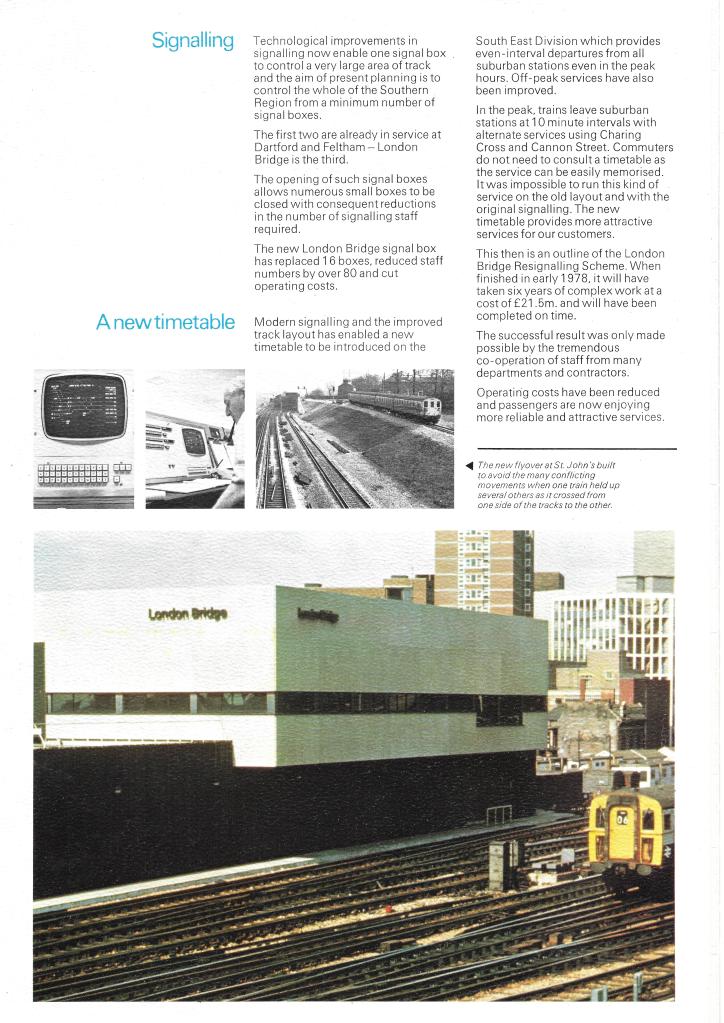
Before the re-imagining of London Bridge station in the 2010’s, it was the subject of a huge re-signaling scheme in the mid 1970’s. The idea was to completely redesign the approach, especially across Borough Market Junction. This was a notorious bottleneck where trains from Charing Cross and Cannon Street, as well as approaching traffic from Kent and Sussex would almost always grind to a halt at peak times.
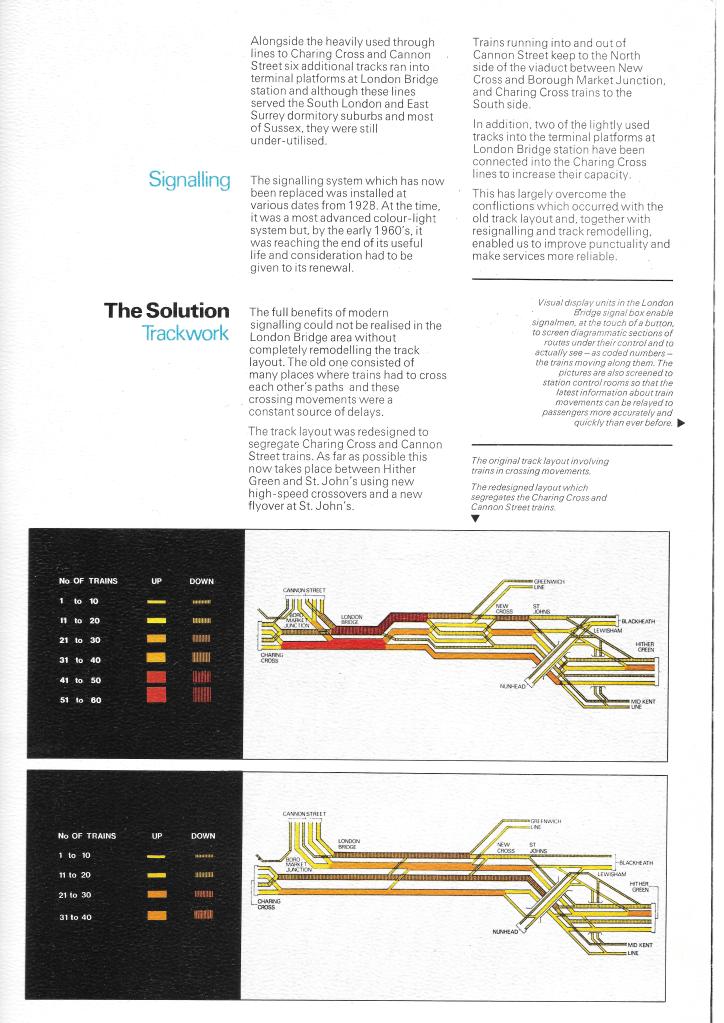
The solution was to create more throughput by using crossovers from Charing Cross and Cannon Street and using a new flyover at St Johns. Some terminal platforms were also connected to the Charing Cross lines in order to facilitate more throughput.
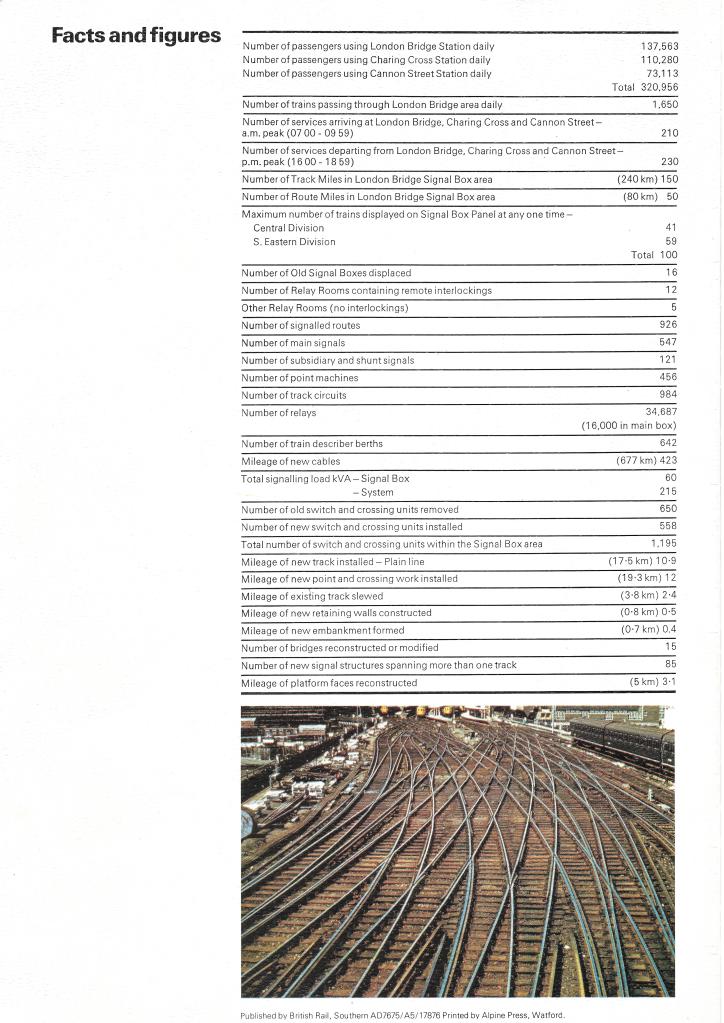
The entire area would be controlled via a massive new signal control room at London Bridge, which would mean the demise of at least 16 smaller signal boxes nearby.
Amazingly for such a large project, it was finished on time, at a cost of £21.5 million pounds in 1978. Below are some scans from a mini booklet produced by British Rail to commemorate the achievement.
I must thank Mr David Bonnett, who very kindly donated this leaflet and other materials to myself.




 Rainham Rail Enthusiast