Along The Railway Line | South East Mainline | Chelsfield Railway Station

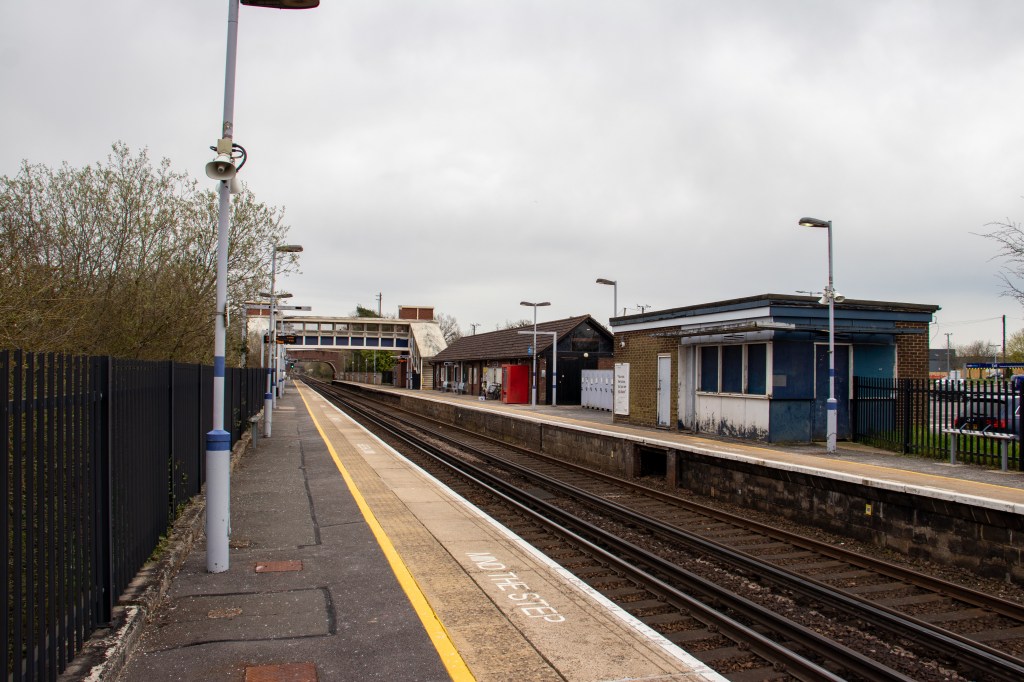
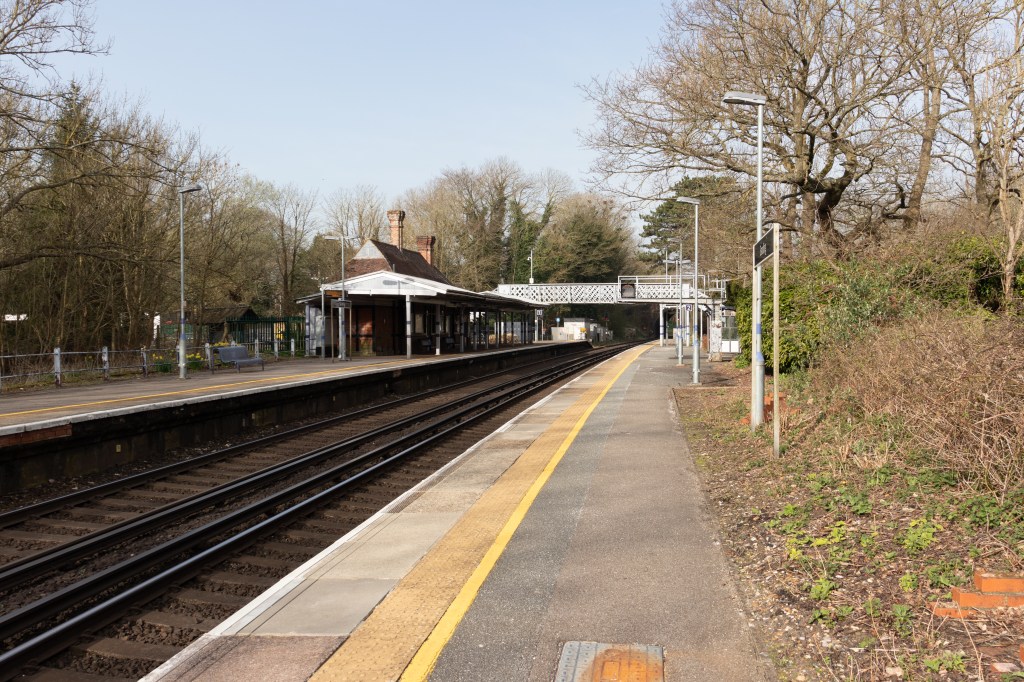
The station was opened in 1868 by the South Eastern Railway Company, and originally had a familiar staggered platform arrangement with clapboard construction buildings and a lattice footbridge, which was installed from the start, negating the need for a passenger foot crossing.

A goods siding would not appear until 1871, this was placed behind the coast bound platform. However, by the end of the 19th century, this had increased to three more. Two of these were on the London bound side and were coal sidings. All were controlled by a two-story signal box placed at the south of the coast bound platform.

By 1935, electrification of the route required the platforms to be extended, and an electric substation was installed just behind the coast bound platform. By 1957 the staggered platform arrangement was all but lost, this was to help accommodate 12-car trains. All goods services were removed by the end of 1964.

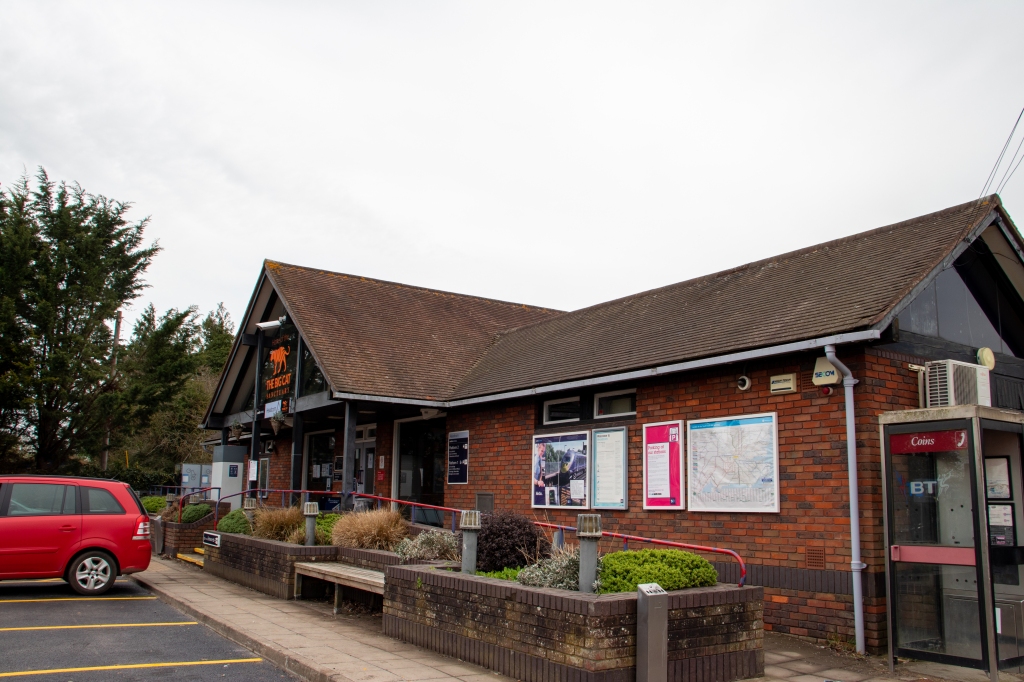
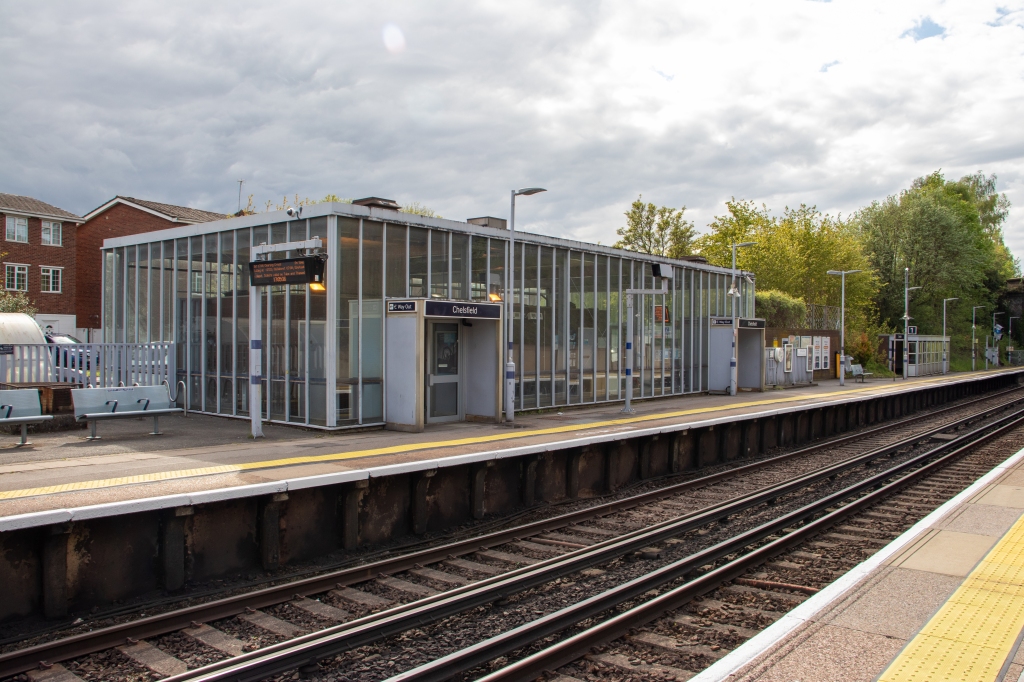
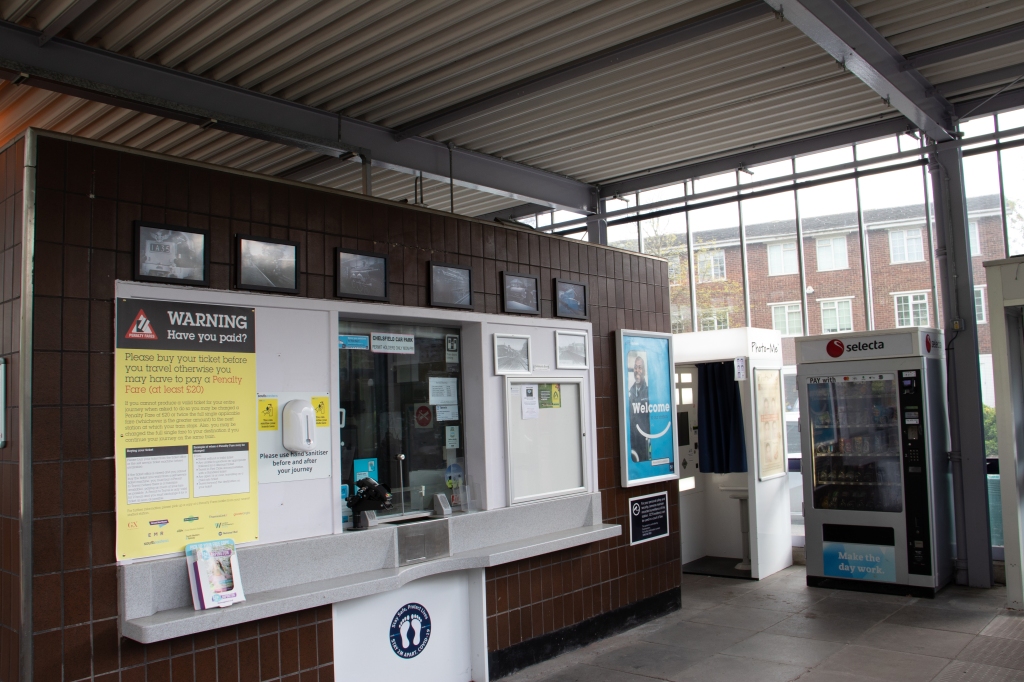
Unfortunately, the signal box was destroyed by fire in 1971, and all operations were switched to Orpington. In 1973 the station building suffered the same fate, and after consultation a new modern glazed building was erected in its place, and still stands today. The photo below shows that the glass acts as a shell for the main ticket office inside.
Chelsfield railway station
Chelsfield station building
Chelsfield railway station ticket office

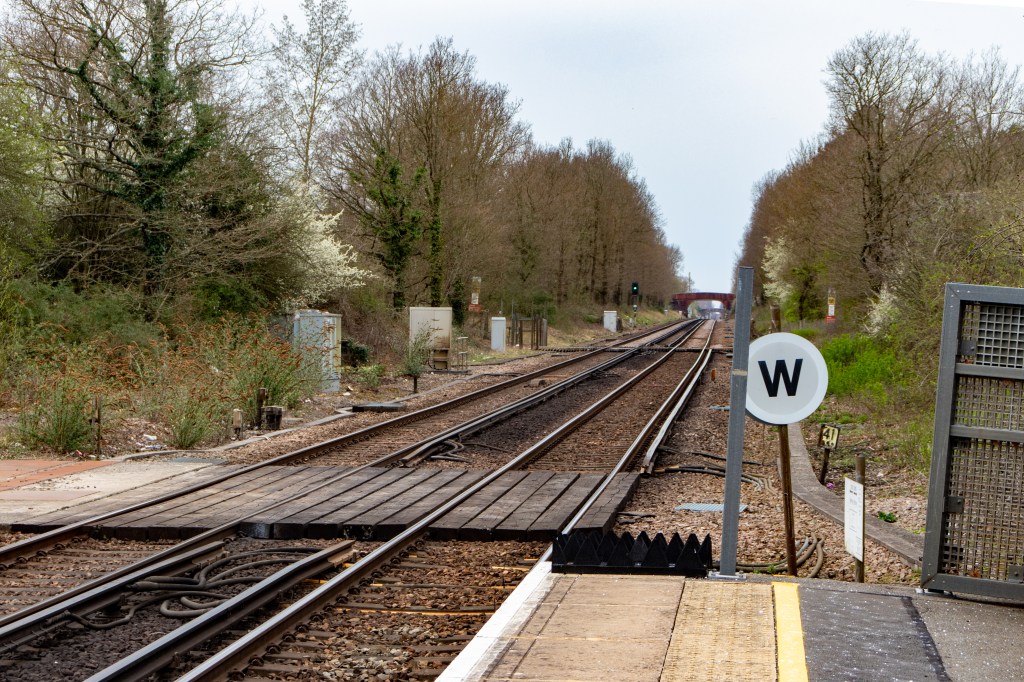
The view below is from the south end of platform 2, shows an impressive sweeping curve into Chelsfield tunnel, which (like Knockholt) is said to be an inspiration for the tunnel in the book ‘The Railway Children’.
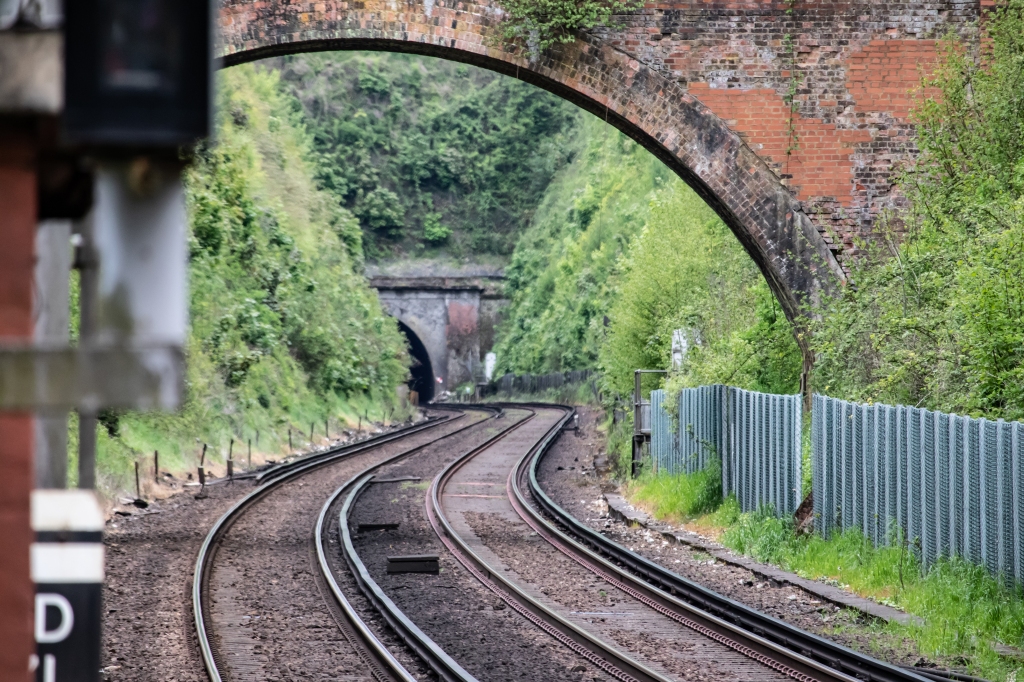
Chelsfield tunnel
Chelsfield tunnel

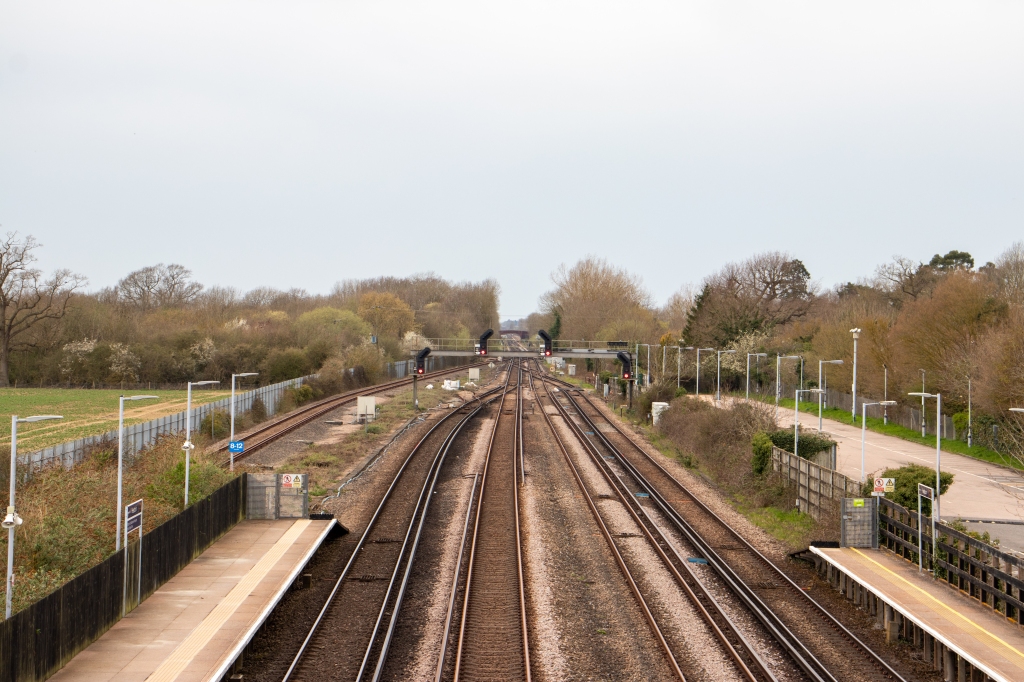
Below is the view of the station as taken from the impressive road bridge. Note the electric substation on the left.
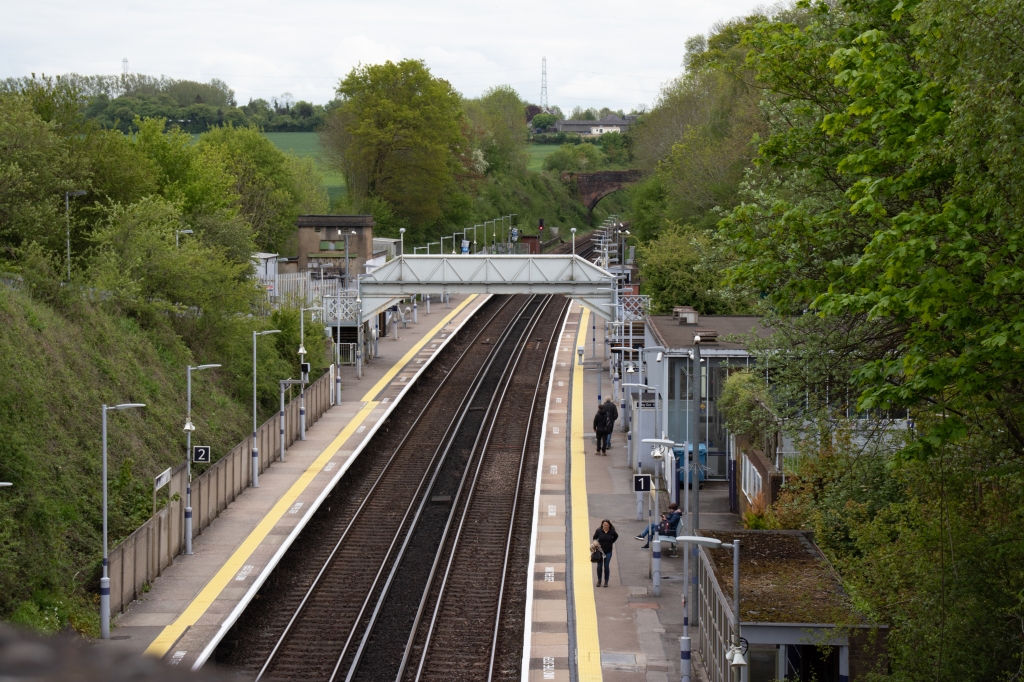
Chelsfield railway station

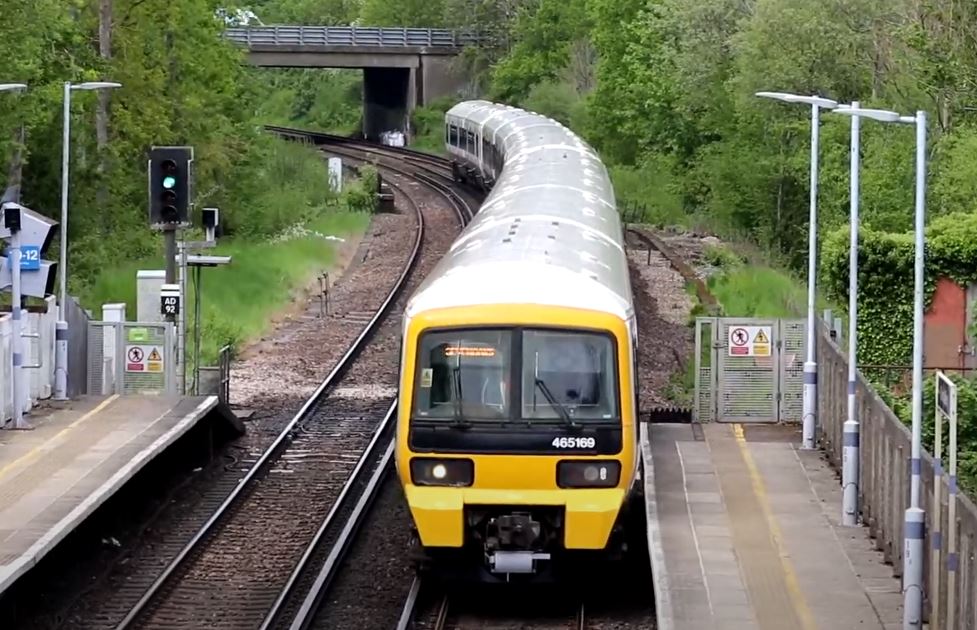
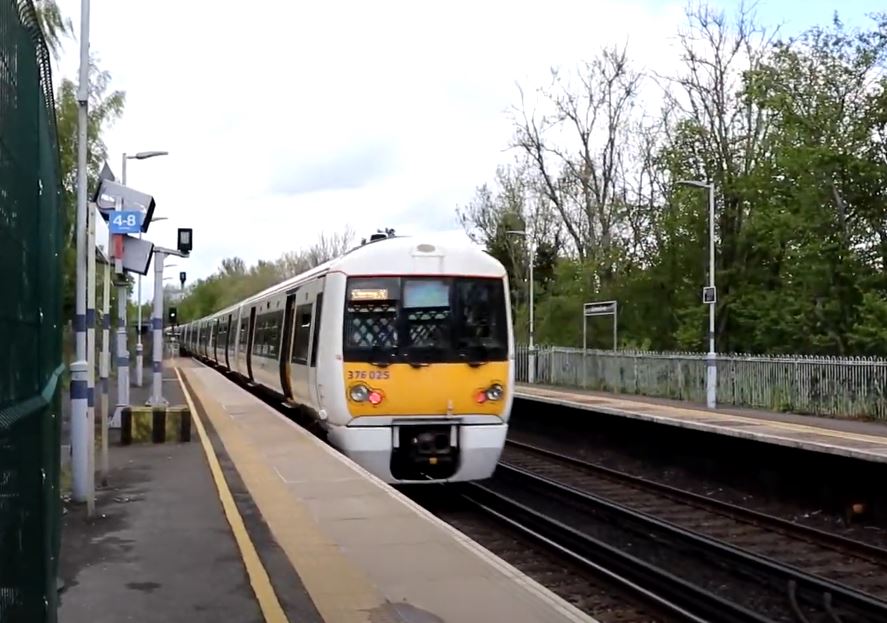
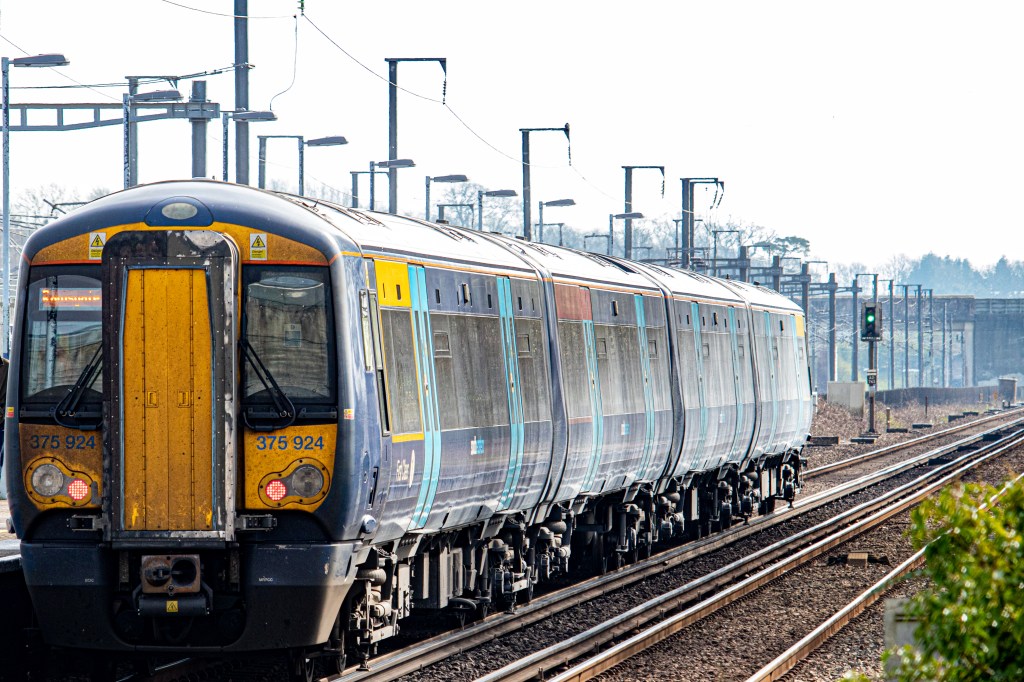
Passenger services at time of recording are provided by either class 466 465 or 376 electric multiple units

Chelsfield has two trains per hour in each direction off-peak, with many additional services during the peak times, and at those peak times these run to Cannon Street and not to Charing Cross.

The 2019 2020 exit and entry figures were 973 208
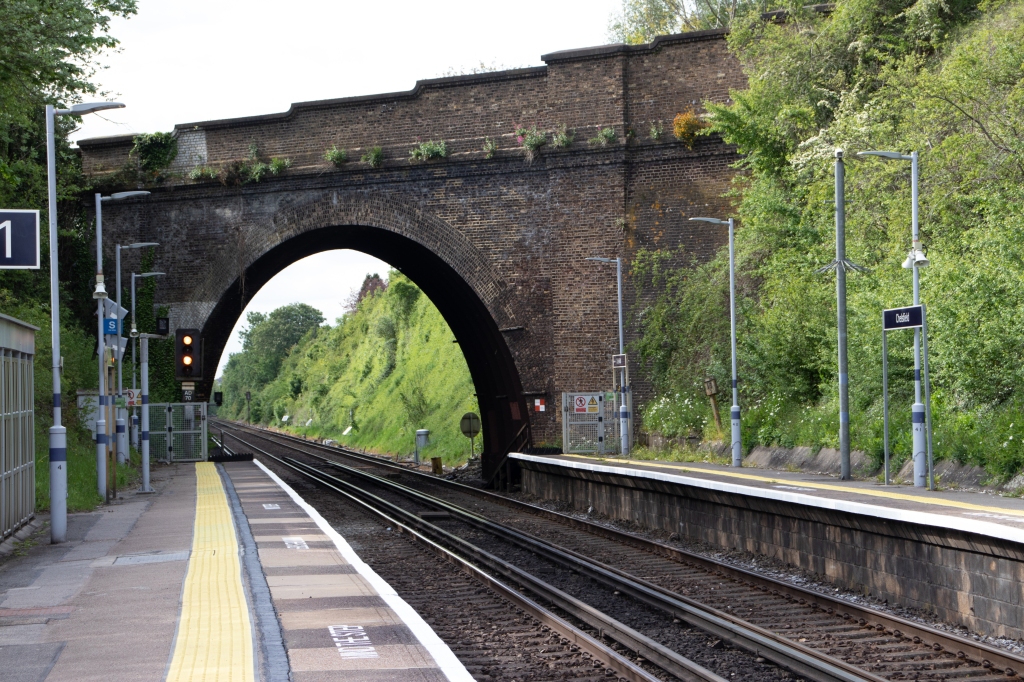
Chelsfield road bridge

Chelsfield was a surprisingly good station to visit, not least for the excellent sweeping views down the line towards the Chelsfield tunnel. The ticket office is a good example of 1970’s architecture, and although not to everyone’s taste, does show the style of the time. For the enthusiast, the aforementioned tunnel is a bonus, but also the variety in traffic, including freight, will give you a good deal of photographic and video opportunities.

Here is a video of the station, filmed in 2021

Thanks for reading, I’ll leave you with my tagline :

If you can, get out there, get on the railway, and see where it takes you.” ©
Along The Railway Line | South East Mainline | Knockholt Railway Station

Knockholt was opened in 1876 as “Halsted for Knockholt” by the South East Railway Company.  The name was chosen as it was closer to the village of Halsted.

However, this soon changed when the railway company merged with the South Eastern and Chatham railway in 1899.  By 1900, the station had been renamed Knockholt, even though the village was 3 miles away.  The official reason is that it was to avoid confusion with Halsted in Essex.  But a more popular view is that it changed because the deputy chairman of the new company lived in Knockholt, and he wanted the prestige of a station named after where he lived.

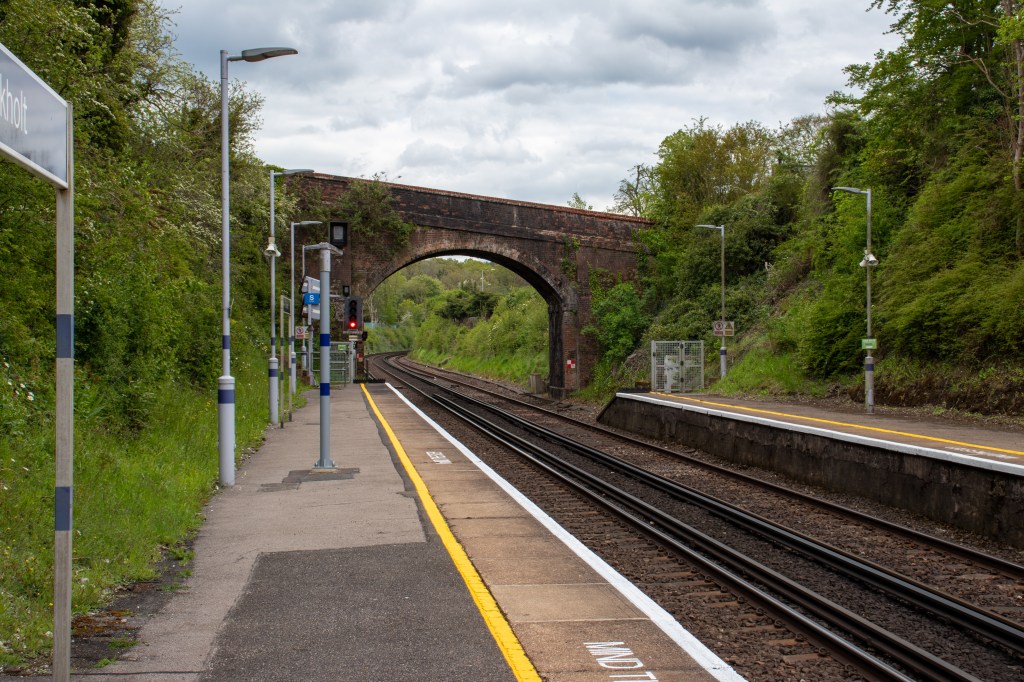
Knockholt railway station road bridge
View from platform 2

Knockholts’ main claim to fame is that it is one of the inspirations for the book “ The Railway Children”.  The author Edith Nesbit lived close by at Halsted Hall and was able to see the station house from the balconies.

This canopy on platform two is probably the only remaining original structure here, but is in good order and is very nice to see it is still standing.

Knockholt railway station shelter
Platform two shelter at Knockholt

This station building replaces the original, and as far as it goes, I think it is of 1980’s origin, please correct me in the comments if you know better!!  It is of nice design, and serves its purpose, however at time of writing is only open in the mornings.

Knockholt Railway Station

The station has two trains per hour in both directions off-peak Monday to Saturday. Extra trains run during the peak hours, and it only has one train per hour in each direction on Sundays.

The 2019 / 2020 entry and exit figures were 250 766.

Knockholt is a nice station to visit, although a lot of construction was taking place during my visit in 2022, which did rather spoil videography. The original shelter on platform two is worth seeing however and is certainly a grand design even by today’s standards. It is a shame that the original station building no longer exists, but at least it does have one!!

Knockholt railway station
Knockholt Railway Station

Below is a video taken in 2021

Thanks for reading, I’ll leave you with my tagline :

If you can, get out there, get on the railway, and see where it takes you.” ©

Along The Railway Line | South East Mainline | Dunton Green Railway Station

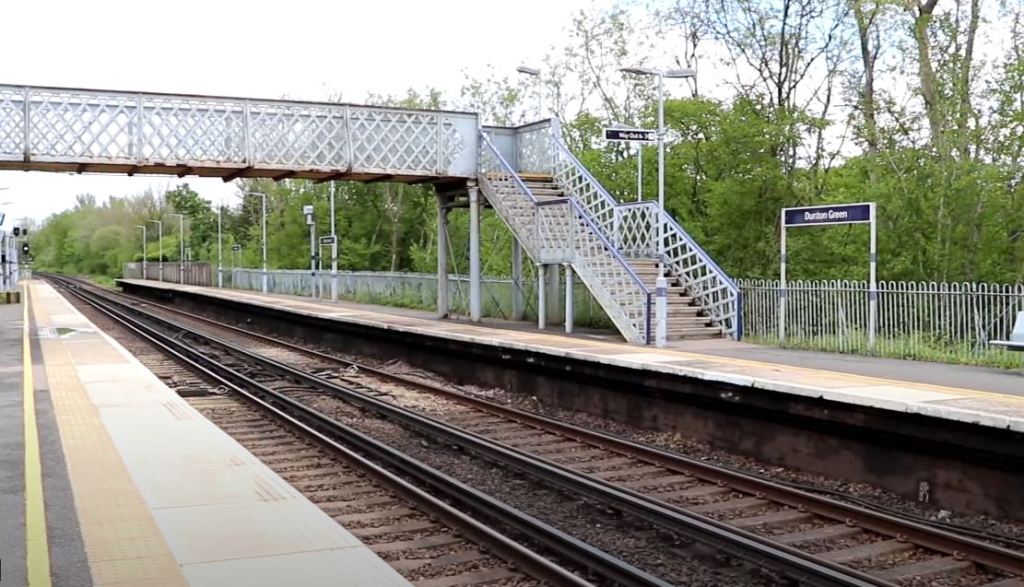
Dunton Green was opened in 1868 by the South Eastern Railway Company, and it had a familiar clapboard station building similar to that of the one at Hildenborough.  It also had a single siding on the London bound side, and this was incorporated into a proper running line when a branch line to Westerham was opened in 1881.

This branch line had its own station building as well as a three-story high signal box. As this new branch line cut through access to the village, a subway was constructed to gain access, but more on this later.

Three new goods sidings were also constructed at this time on the branch line section. The signal box had a short life however, as a signal modernization scheme in the early 1900s had it demolished in favour of a two-story design. By 1934 the newly formed southern region began the electrification program and Dunton Green had its platforms lengthened, with the first electric train running through the station from 1935.

Dunton Green railway station

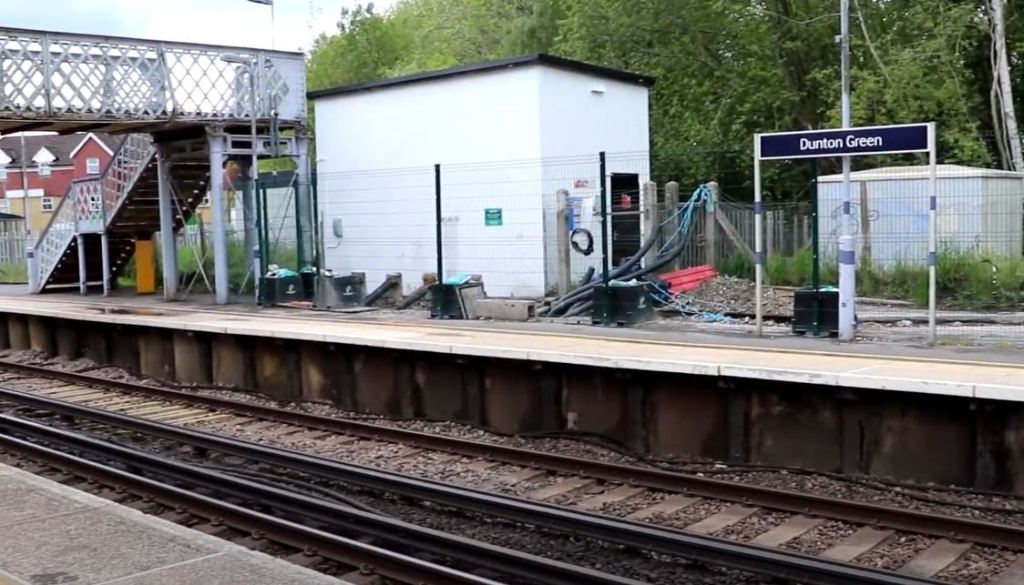
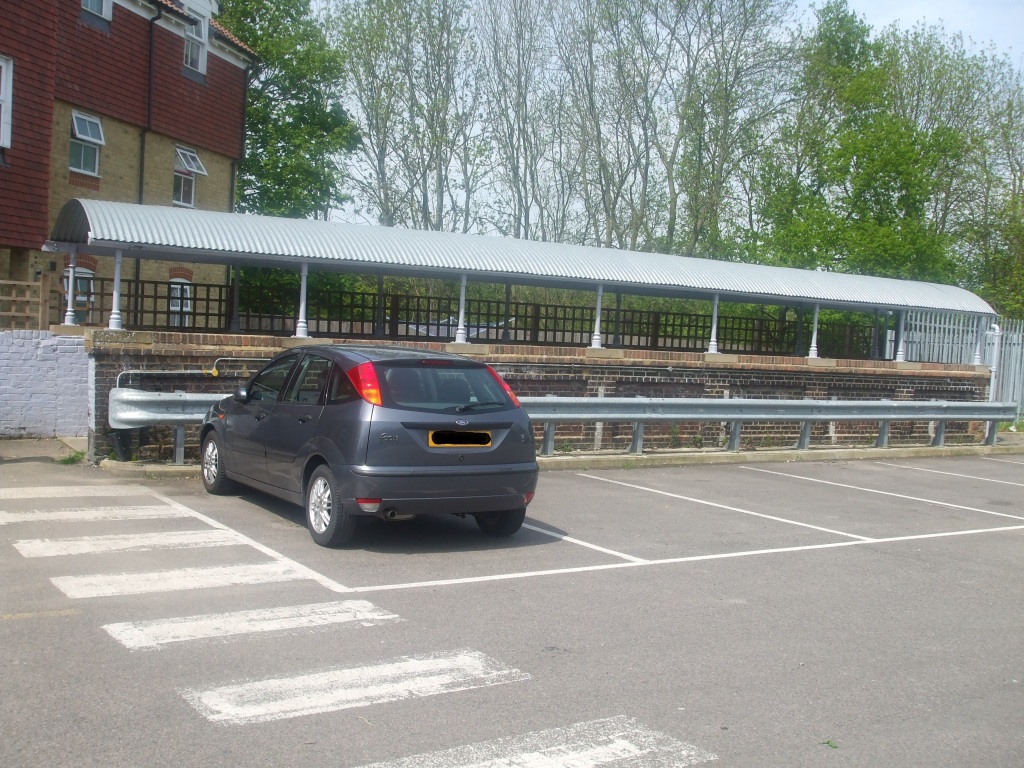
Unfortunately Dunton Green’s recent history is less illustrious. In 1961 the branch line closed, and over the next 35 years the station went into rapid decline, culminating in the complete removal of the station in the mid-1990s and at time of writing, a new station building has never been rebuilt at this location.

Dunton Green railway station

This picture is of the subway which still connects the station to Dunton Green village (credit for these are below as I was unable to photograph on the day of my visit)

Dunton Green station underpass

(c)Lamberhurst (Ravenseft)

commons.wikimedia.org/wiki/File:Dunton_Green_Railway_Station_3.jpg

At time of writing passenger traffic is provided by class 465 or class 376 electric multiple units.

Class 465
Class 465
Class 376
Class 376

The statistics for Dunton Green are that it opened in 1868, it has two trains per hour in both directions off-peak and Saturdays, with additional trains at peak times (this is reduced to only one train per hour in both directions on Sundays).

The entry and exit figures for 2019-2020 were 258 682.

The absence of a station building (at time of writing) really makes a visit to this station unappealing if you are a casual enthusiast. However, the location and relatively good frequency of service makes the stations survival a must. Photography and videography are ok, but I would advise that perhaps a visit to another railway station on the line nearby could wield better and more atmospheric results.

Below is a video filmed in 2021:

Thanks for reading, I’ll leave you with my tagline :

If you can, get out there, get on the railway, and see where it takes you.” ©

Along The Railway Line | South East Mainline | Hildenborough Railway Station

Hildenborough was opened in 1868 by the South Eastern Railway company. It is the only station between the larger Tonbridge and Sevenoaks stations.  Unusually for the time, the platforms were not staggered, but placed opposite each other from the start.  

As with all others on the line, crossing the track was done by means of a foot crossing placed at the end of the Tonbridge bound side.  The station when it opened had one single siding placed on the coastbound side, and this was joined by two further sidings on the London bound side in the 1890s. A third was added by the end of the century.

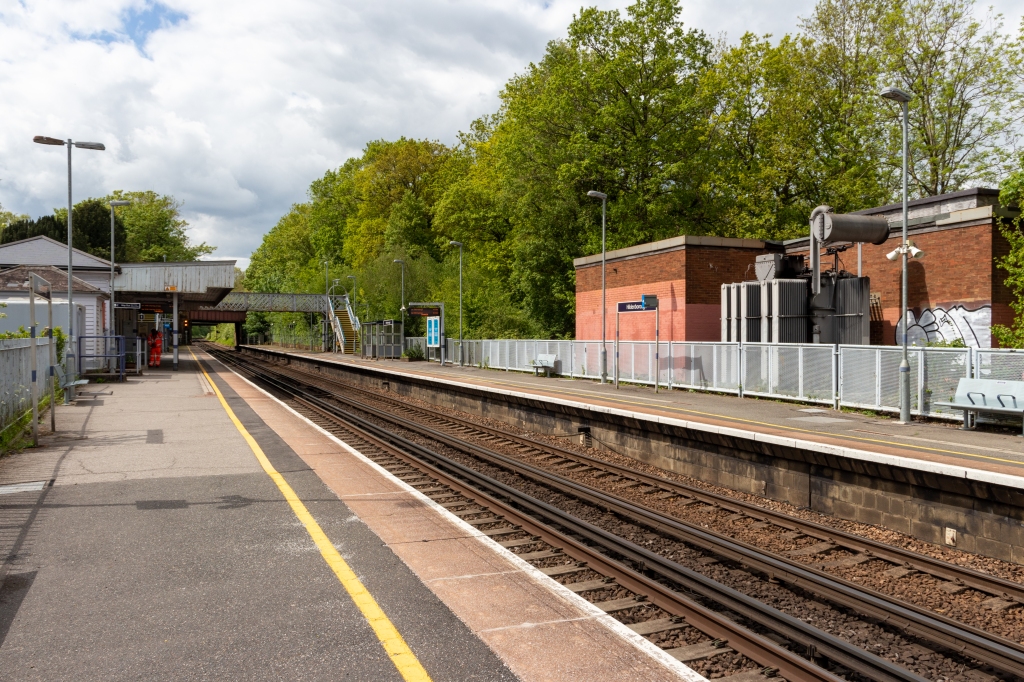
The substation you see below was put here during the 1960s as part of the electrification scheme, and replaced the siding on the coastbound platform.

Hildenborough Railway Station Kent
Hildenborough railway station – view to platform 2 and substation

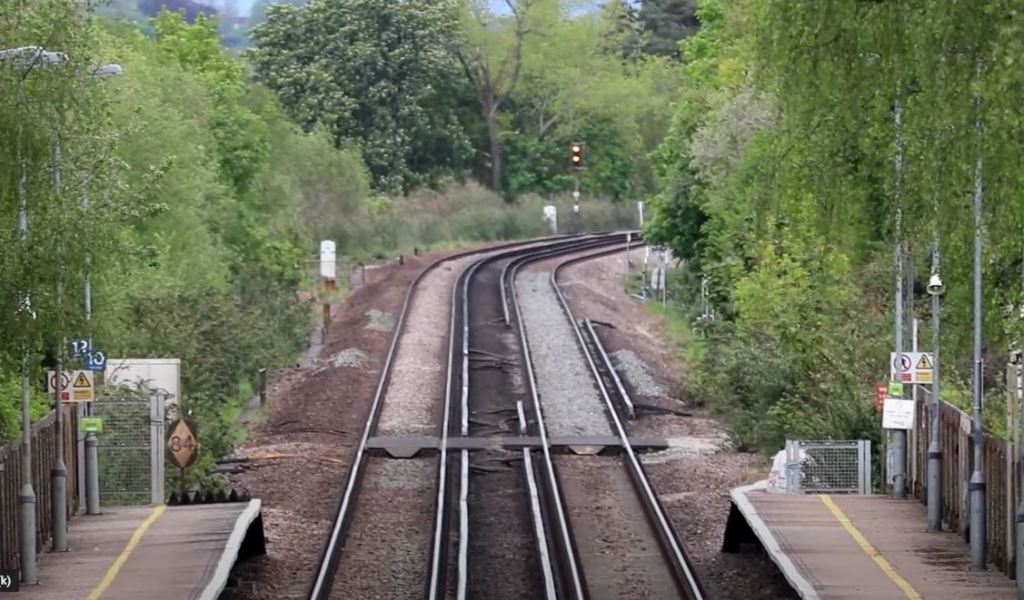
In this view from the bridge towards Tonbridge, you can clearly see the break in the third rail in the foreground. This is where the staff foot crossing used to be. The line curves away from the station as it leaves towards Tonbridge.

Hildenborough Railway Station Kent

The station building seen here below original, however it had external rendering work done to protect the station in the 1950’s, but at least it survived the cull which many succumbed to in the 1960’s.  A further building is adjacent to it, which is currently owned by a coffee shop.

Hildenborough Railway Station Kent
Hildenborough railway station

This view from platform 2 shows the original features quite well including the sash windows which were common for the southeast railway.

Hildenborough railway station platform 1

At the time of writing, passenger traffic is undertaken either by class 375 electric multiple units, or during the peak times, class 466 electric multiple units may also be seen.

The passenger entry and exit figures for 2019-2020 were 573 762.

Hildenborough offers good sight lines for the Enthusiast and the original station building gives it lots of character, however the electric substation is quite noisy and can impact videography. at times.  But that should detract from the fact that Hildenborough is still a thoroughly lovely station which is well maintained.

Below is a video I filmed in 2021 :

Thanks for reading :

If you can, get out there, get on the railway, and see where it takes you.” ©
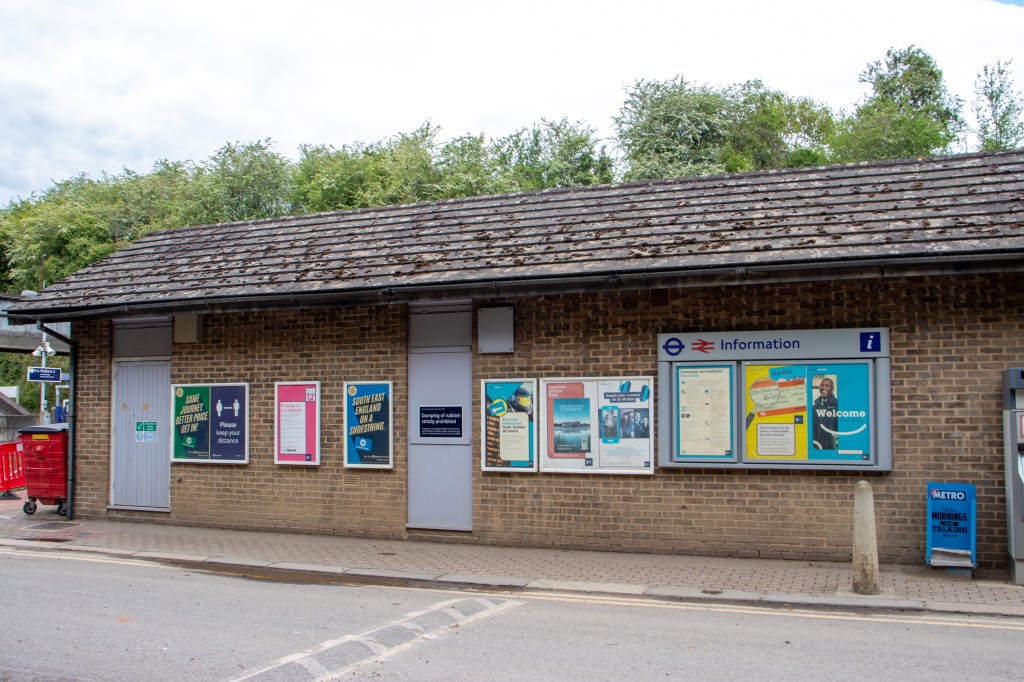
Along The Railway Line | South East Mainline | Marden Railway Station

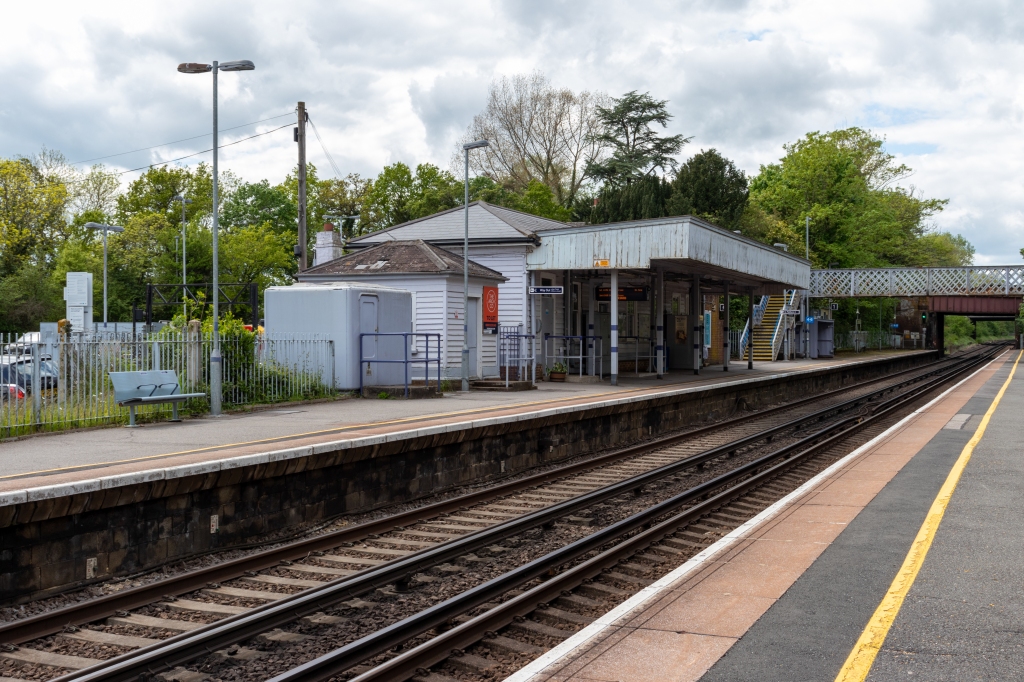
Marden railway station

Opened in 1842 by the South Eastern Railway Company, Marden soon grew into quite an important station on the line.  Eventually there would be many sidings carrying such items such as hops and apples, plus various other agricultural items including cattle.

Eight cottages were constructed for the railway workers needed to staff the station through the day and of course the station master had one of his own.

The diagram below shows Marden as it was around the 1950s, and it gives you an idea of how many sidings were available at the station the majority of freight stopped at modern in 1963 mainly due to the spread of the UK motorway network but also due to the line being electrified.

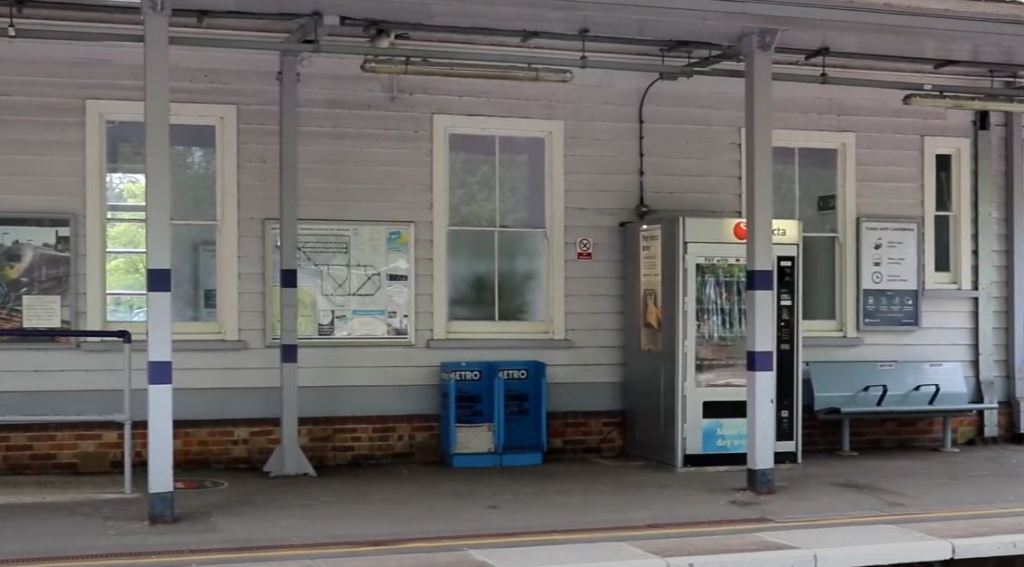
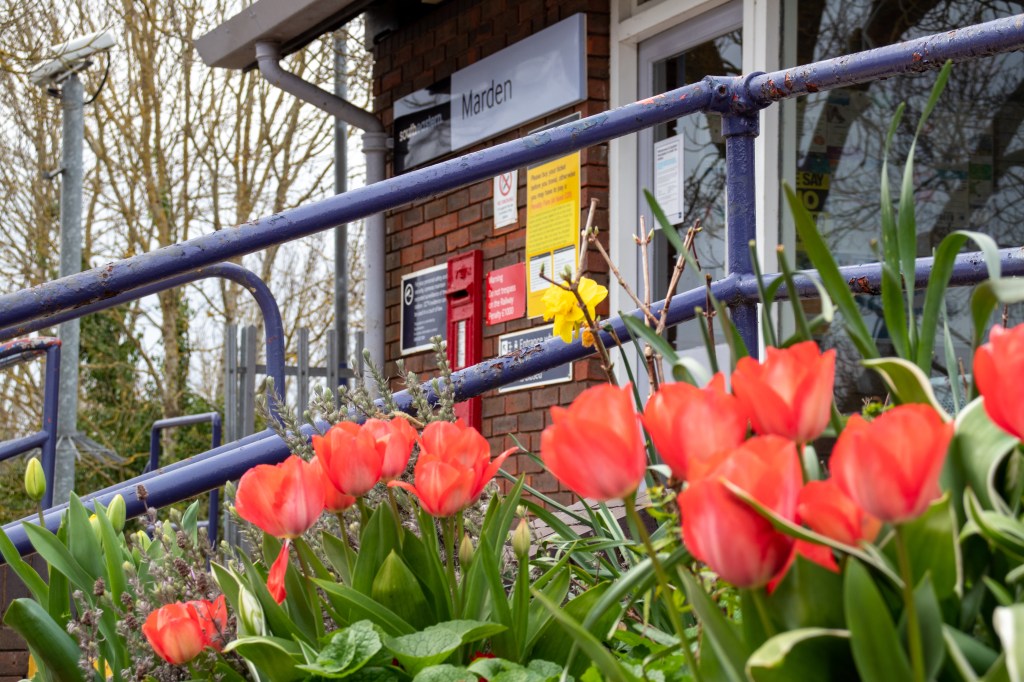
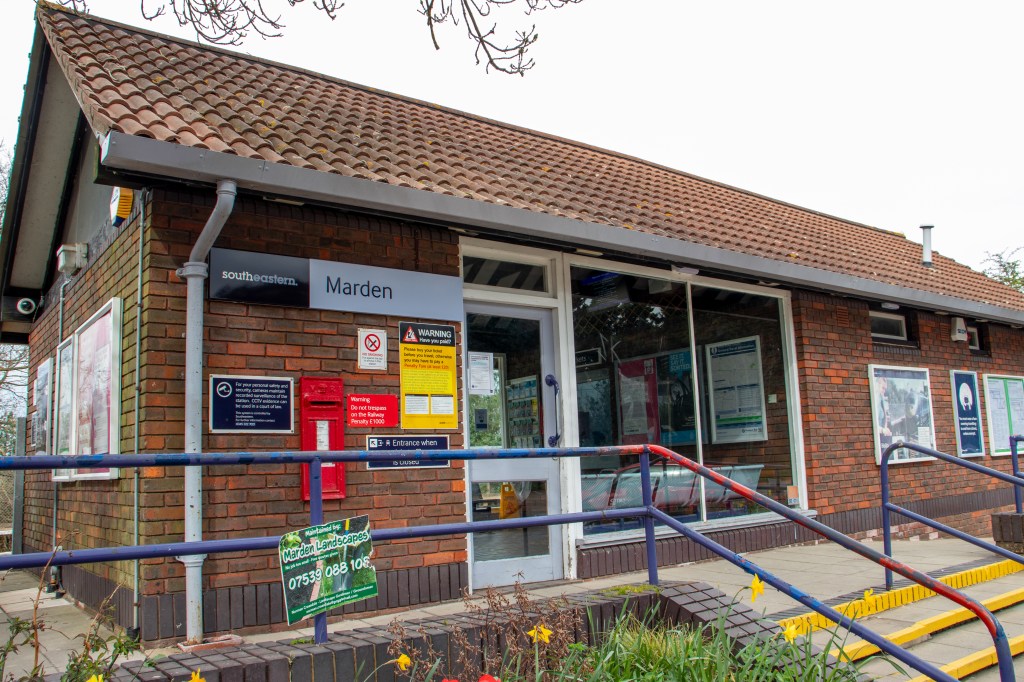
The new station building was erected in 1987 and is of a contemporary brick design, not dissimilar to that at Headcorn (albeit smaller).  The interior is functional and clean with a small refreshment kiosk, however the whole of it is only staffed on a part-time basis mainly in the mornings.

Marden railway station

At time of Writing (2022), passenger traffic is provided by class 375 electric multiple units.

The entry and exit figures for 2019-2020 were 565 472.

To look at Marden station today you would not believe how large it once was, however a charming new station building makes this station a pleasant visit, albeit not blessed with many facilities.

Below is a video I produced in 2021 as part of my “Along the railway line” series:

Along The Railway Line | South East Mainline | Staplehurst Railway Station

Opened in 1842 by the South Eastern Railway Company, Staplehurst was very much like any other rural station on the line. Staggered platforms and a tongue and groove timber building, similar to that at Pluckley, were erected in 1844.

Staplehurst Railway station

Goods facilities were placed on the London bound side in 1875, which included a coal depot and a through goods shed with four sidings. By 1885 they were complemented by more goods facilities on the coast bound side. The coal part of this yard remained right up to 1971, which was quite an achievement.

Staplehurst Railway Station

This new station building was erected in 1988 and the station was made fully accessible with the addition of this new footbridge with integrated lifts in 2008. the interior of the station building is clean and functional and during the morning peak it also has a refreshment kiosk.

staplehurst railway station

The entry and exit figures for 2019-2020 were 855 082

Staplehurst is a fairly modern station with little to show of its past, however a well-proportioned station building gives it a little character and the fully accessible platforms make it a functional place to catch a train. For the enthusiast the sight lines are very good, and it is fairly quiet, so videography should be ok.

Below is a video I shot for my ‘Along The Railway Line’ series in 2021 :

As always, thanks for reading, and if you can :

“Get out there, get on the railway and see where it takes you” ©

Along The Railway Line | South East Mainline | Headcorn Railway Station

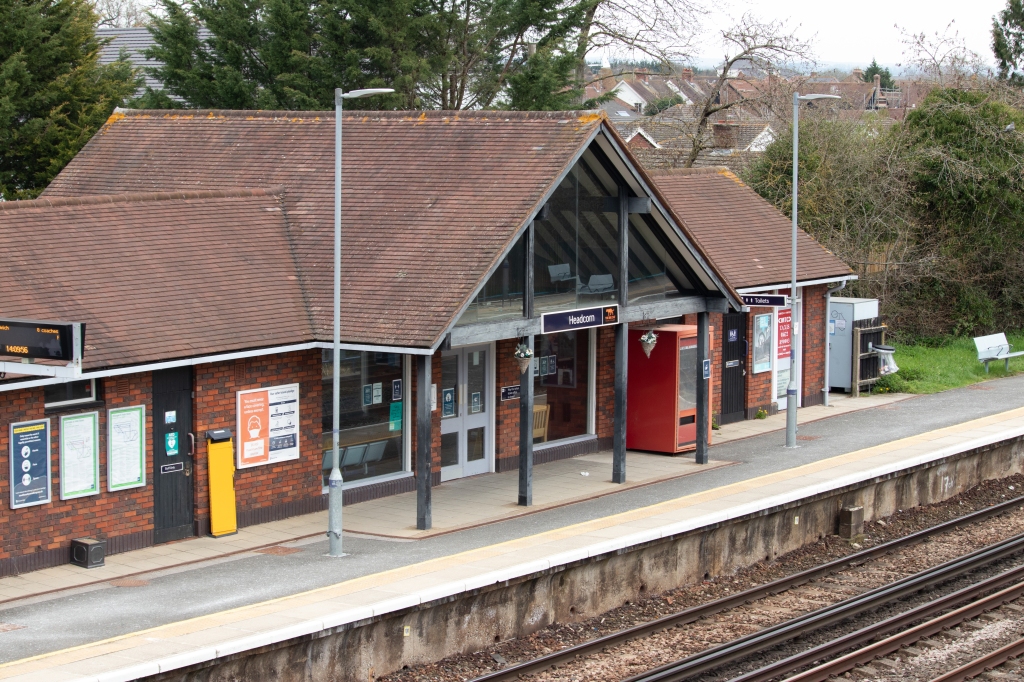
Headcorn railway station

Headcorn was opened in 1842 by the South East Railway Company, initially as a terminus for the line as the extension to Dover had yet to be completed. The original station building was made of tongue and groove timber, similar to that at Pluckley, and a goods facility was also provided here.

This goods facility was provided by a single track which intercepted both running lines and led to sidings and a turntable on the Ashford bound side. In 1905, the Kent and East Sussex railway extended to Headcorn, and its platform ran parallel with the London-bound side. The link to Headcorn remained until 1954 when it was closed due to unprofitability.

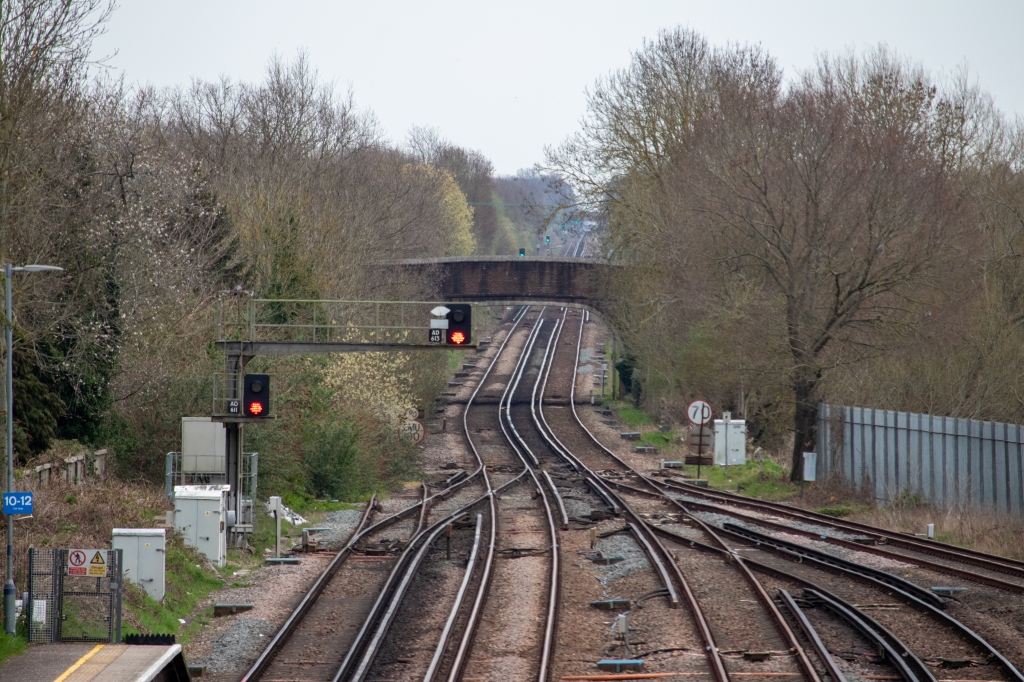
The fast central tracks you see here were actually the original running lines. They were put into this configuration in the 1920s when the station was rebuilt, with two new platforms and two new slow lines. The other track you see on your left, behind the London bound platform, is a goods loop installed for the channel tunnel freight trains. This view looking coast bound will enable you to see clearly see the divergence to the slow lines.

As well as the goods loop on the right, the new station building was opened in 1989. A neat red brick design, it is very pleasant, and is kept in good order by the station staff . The taxi rank and bus stop are located just outside the building, like the exterior the interior is very clean and functional

At time of writing passenger traffic is provided by class 375 electric multiple units

Station signage at Headcorn is great, detailing all there is to do around the area. This includes the “Big Cat Sanctuary” and “Biddenden vineyards”, which are a short bus ride away. As already noted, bus and taxi ranks outside the station building will help you do this.

The entry and exit figures for 2019-2020 were 610 226.

Headcorn has some excellent views for the enthusiast, as well as many other sites of interest away from the station. The newish station building is functional, and although not the original, does not look out of place.

Below is a link to a small video I filmed here in 2021.

Thanks for reading, and if you can :

“Get out there, get on the railway and see where it takes you” ©
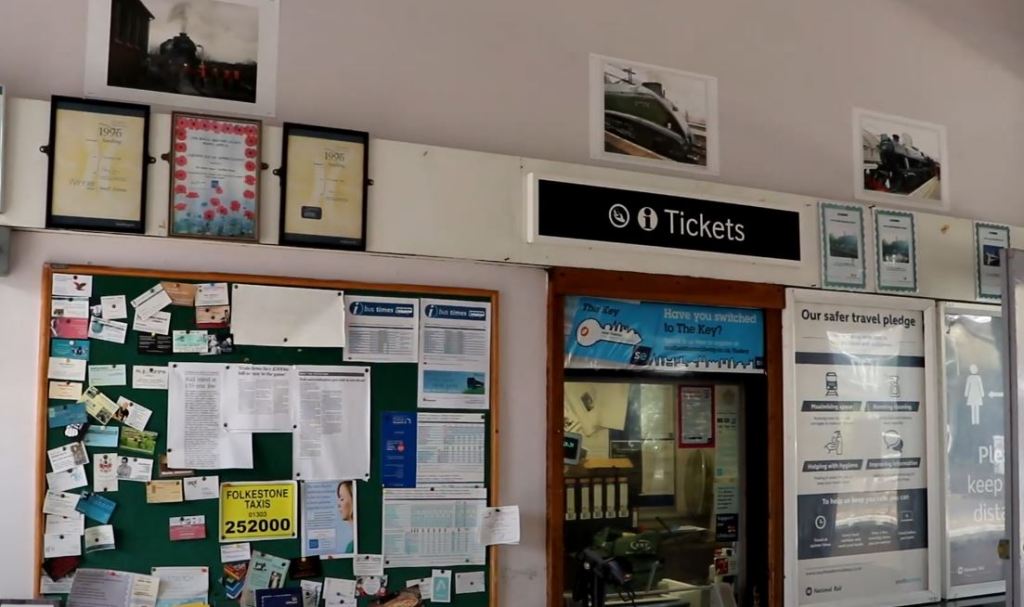
Along The Railway Line | South East Mainline | Pluckley Railway Station

Pluckley Railway Station

A very charming rural station set in the heart of Kent, which is more that meets the eye.

A railway station has been in the area since 1842, but this current station opened in 1844. As with most small stations in this area it has a staggered platform design. The building here is not the original, but a rebuild done in 1885 and is a superb example of a south east railway structure. In fact it is the oldest station building in the country still in regular use, albeit only on weekday mornings.

Pluckley railway station

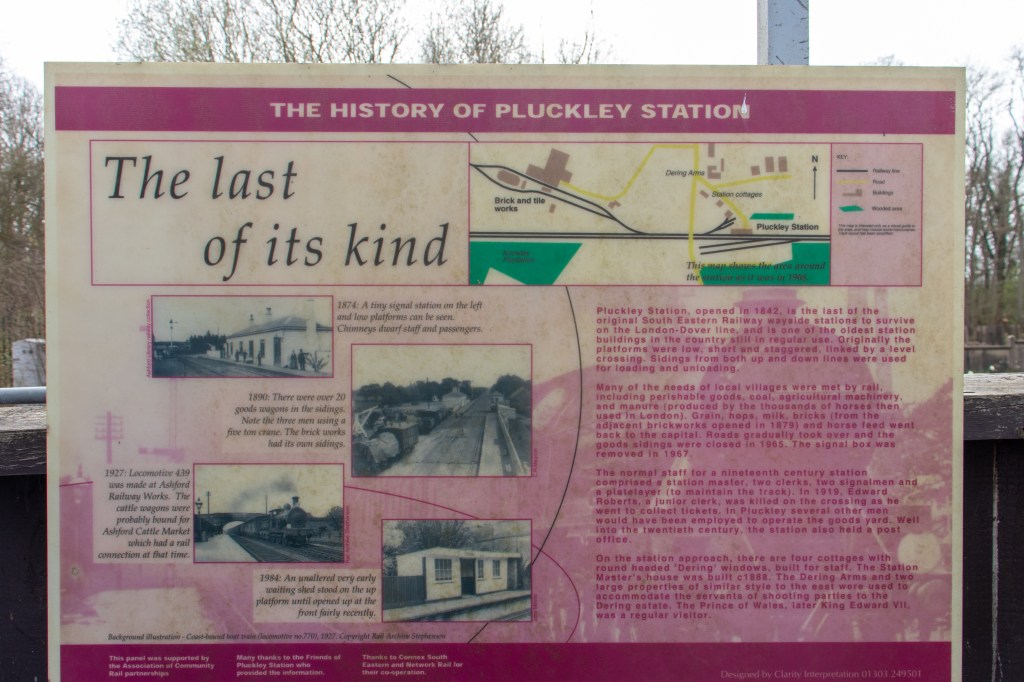
Pluckley had various sidings in its time, serving a coal yard and goods yard, the latter supplying horse manure. But the main purpose of the station yard was to supply the Pluckley tile and brickworks to the west of the station.

Many walks can be had from this station, and the areas rich history can be seen on an information board just outside the station building.

Entry and Exit figures for 2019 / 2020 were 122 696

Although very unassuming at first, Pluckley railway station has a charm which lends itself to further exploration. The area around the station is steeped with history and the overall feel is that the station is loved by the community. I hope this continues, as it would be a shame to lose the old station building and the history which surrounds it.

A video I took in 2021 takes you on a tour of this station.

Along The Railway Line | South East Mainline | Westenhanger Railway Station

An very open station design with fantastic views of the running lines of HS1.

Westenhanger was opened in 1843 by the South Eastern railway company.  Originally designed to serve Hythe, it gained the branch line to Sandgate in 1874 and as such served as the main station for this junction until 1888, when Sandling Station was opened.

It had a very small goods facility consisting of a couple of sidings, and a very small signal box which was placed on the west end of the coastbound platform. This has sadly now been demolished.

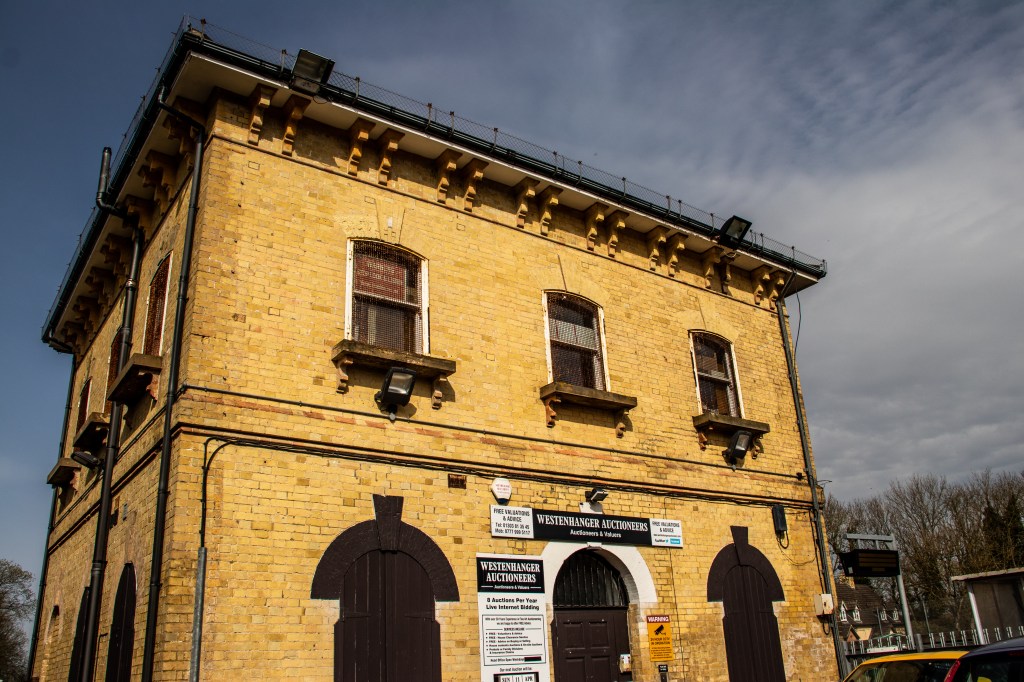
The unusual station building was built in 1861. It has different coloured bricks especially on the western side, and for such a small station it is incredibly grand. Unfortunately at time of writing it is disused.

The race course was served by a small two platform arrangement just west of the main station, however these platforms closed in the late 20th century and Westenhanger is now the primary station for this facility.

Redevelopment of the line and station has always occurred here but the construction of the channel tunnel rail link in the early 2000s meant a new road bridge had to be constructed over both lines with new access stairs between the two platforms.

Looking down the line towards Sandling, you can see the incline of the line quite clearly, as well as great views of the HS1 line to the left.

The entry and exit figures for 2019 / 2020 were 80 168

Westenhanger is now a small unassuming station, but still retains some of its charm with its impressive station building, albeit not being used. For the enthusiast, fantastic views of both the South Eastern mainline and HS1 are to be had here, and if you are lucky, some freight as well passes through this station.

Below is a video I filmed from this location for my ‘Along the railway line’ series :

Along The Railway Line | South East Mainline | Sandling Railway Station

Starting off this look at the South East Mainline, I find myself at Sandling Railway Station.

Sandling railway station

Opened in 1888 by the South East railway company ,Sandling was originally a junction station. Four platforms were here, as well as two signal boxes and a goods yard for livestock. The line branched away from the station to Hythe and Sandgate
where the wooded area is here now, but more on that in a moment.

The station building is the only remaining one of three that were originally on the site. It is of an unusual design, as it was modelled on residential houses of the time in the area.

Sandling railway station

Looking along the coast bound platform, a relatively new steep bank hides the channel tunnel rail link which was completed in 2003. This platform also used to have a pretty elaborate canopy, but this was demolished in the early 1970s.

Sandling railway station


As we enter the station building, you can really see it is one of a kind. This quaint and charming ticket office still remains, adorned with posters and paintings both recent and historic. It is nice to see the exterior and the interior of the building is still maintained to a high level.

Sandling railway station

If you stand on the large triangular platform outside the station building (which used to separate the main from the branch line) the old track bed is still visible on the right hand side. Going through a small gate, and continue along where the old platform was, we will eventually get to the old track bed, which is now a public footpath.

The start of this path is however pretty overgrown, but does open out into a pleasant track. After about five minutes, the walkway opens out into this rather wet area which at the end of it features the disused Hayne tunnel. This 94-yard tunnel was opened with the branch line in 1874, some 14 years before Sandgate station was opened.

Hayne tunnel

Now unfortunately waterlogged due to infilling east of the tunnel, the only way around is via steps up the embankment.

Hayne tunnel

Entry and exit figures for 2019 /2020 were 96, 612

Sandling is a great rural railway station and a variety of rail traffic can be seen here and there is a bonus of an unused railway tunnel if you have the time for a quick five minute walk. the station building is lovely, and very well maintained. As already said, various passenger traffic can be seen as well as freight, although this is mainly on weekdays.

A video of the station can be seen here :