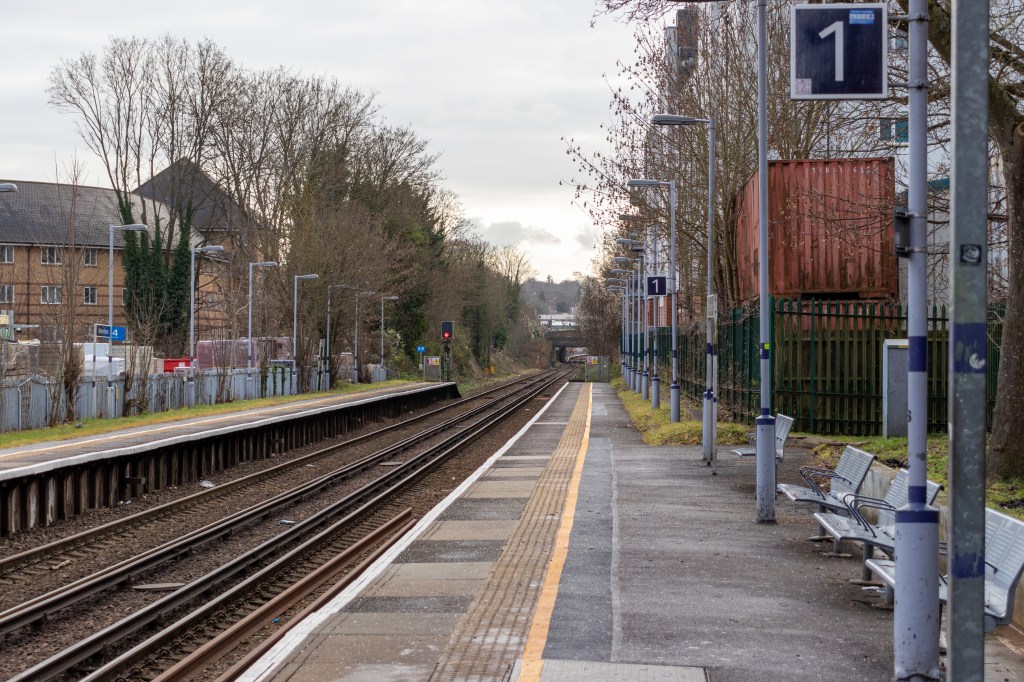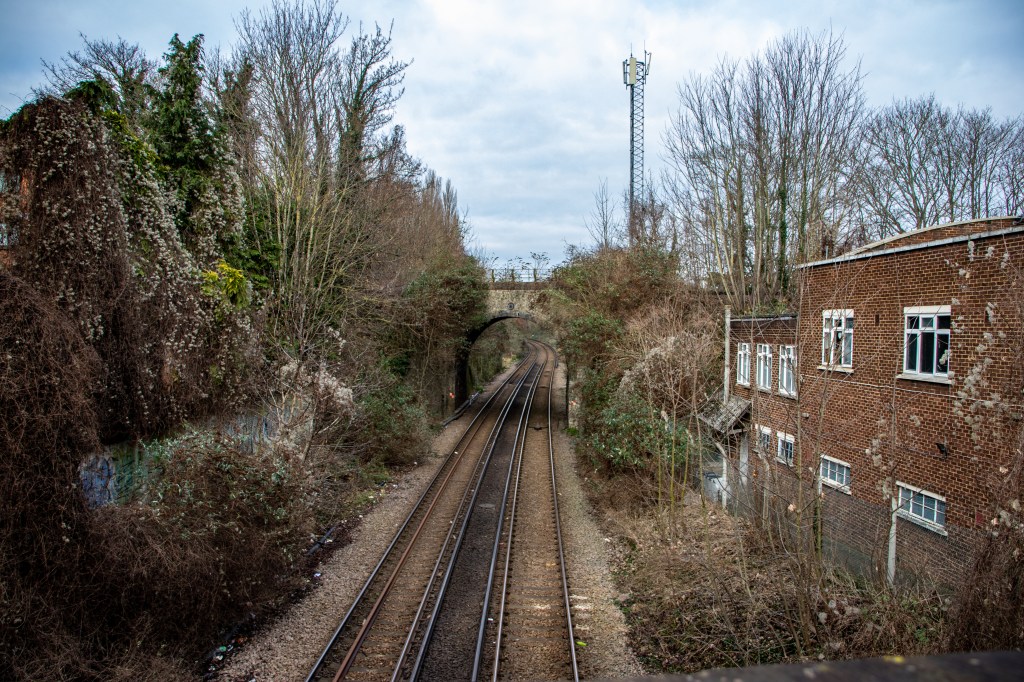
LNER First Class Gluten Free

For my visit to Darlington for the S&DR 200 anniversary weekend, I decided to travel up using LNER First Class. Needing a gluten free meal on board, I had looked at the menu before booking, and felt that the offering was good.

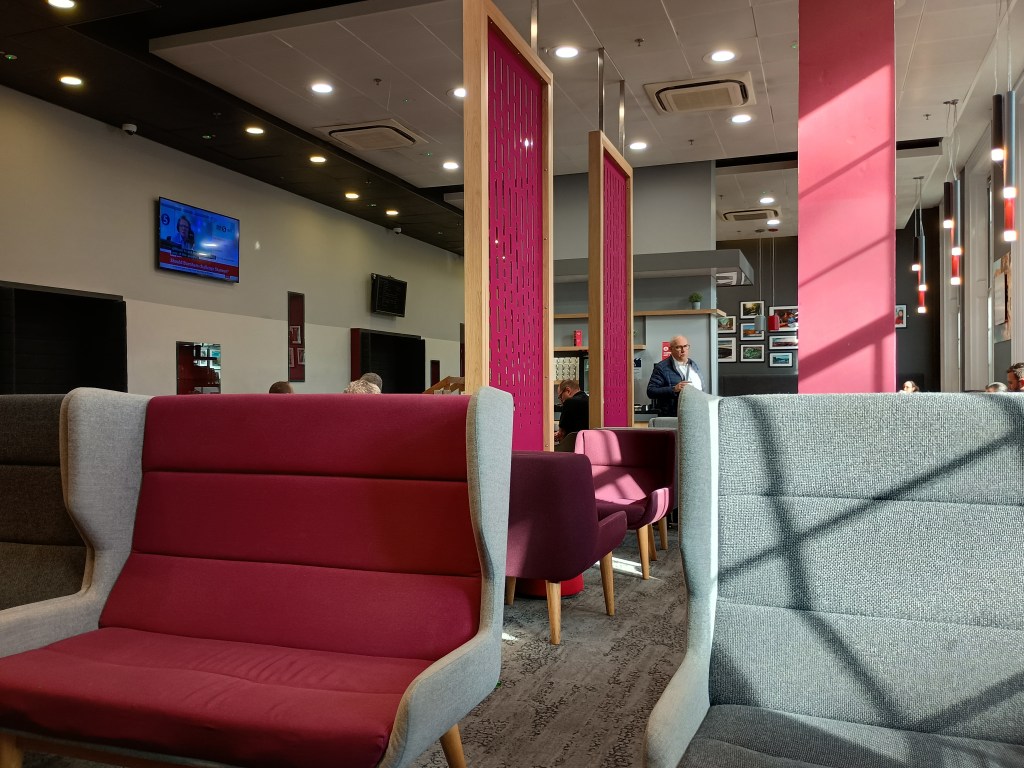
The lounge at Kings Cross was very nice, however I could not find any gluten free snacks. I think that crisps were supposed to be available, but none were present. This wasn’t a deal breaker as I had had a pretty good breakfast. It would be nice to have seen some gluten fee biscuits or brownies, but the coffee was excellent.
On boarding the train, I found the seating to be very comfortable.
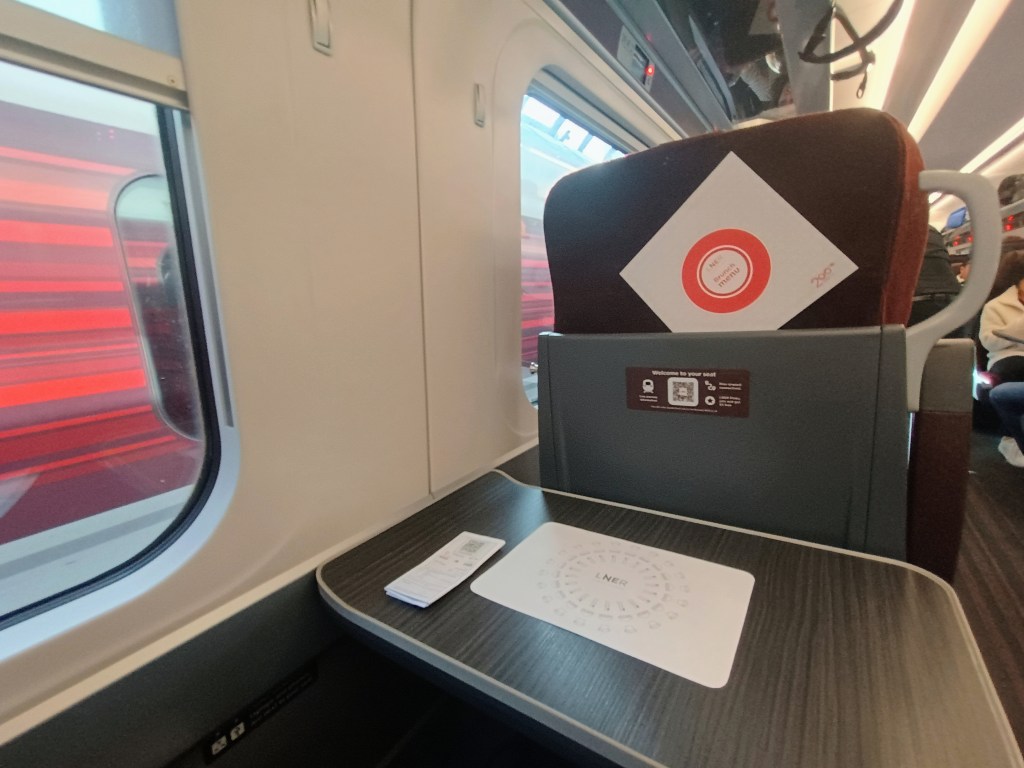
It was clean and tidy. A menu was on the table, I have screen shots of these below (Autumn 2025 menu) :
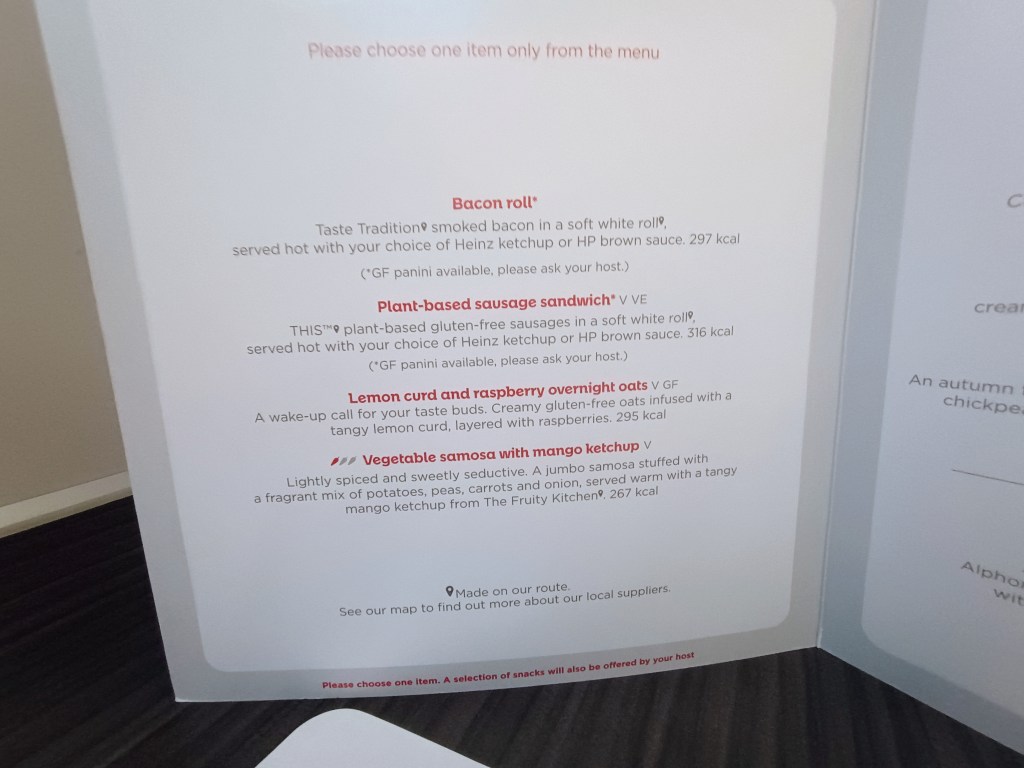
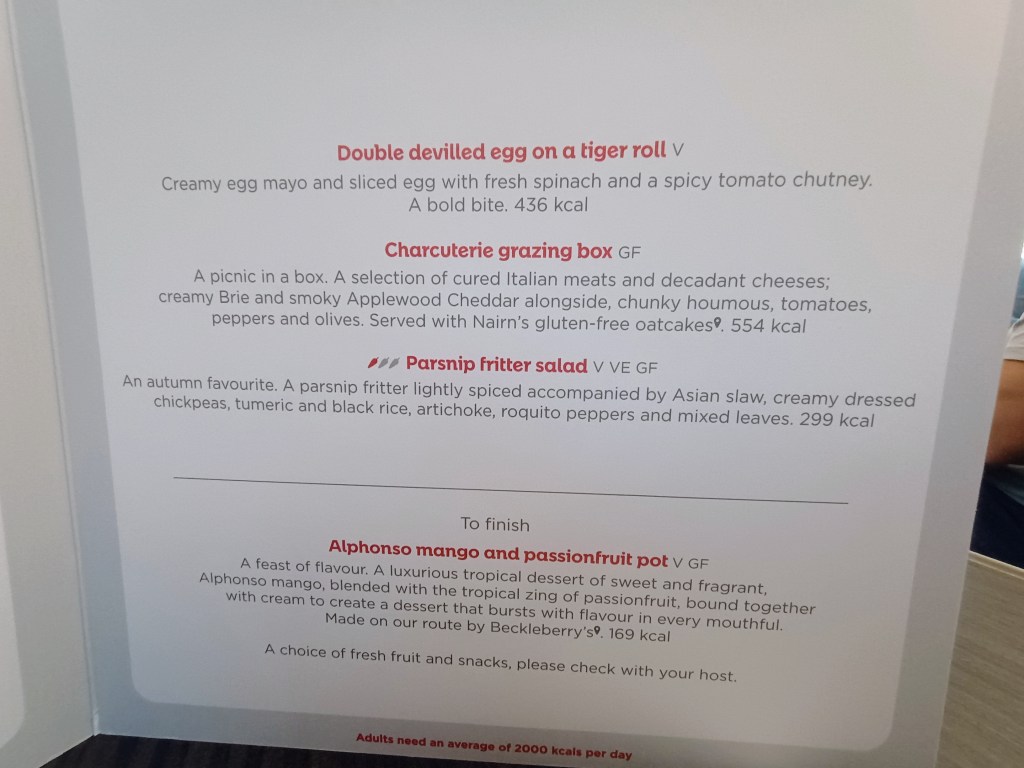
There was also a good selection of drinks, including a new Gluten Free Ale. I opted for the Parsnip fritter salad, orange juice and tea to drink. The meal looked very appetising, and I wasn’t disappointed.


The whole meal was well seasoned, and absolutely delicious. It tasted very fresh, nothing tasted as if it had been made yesterday. It was lovely to see at least two menu items gluten free, and apparently for breakfasts you can choose to have a gluten free wrap.

The service on board was second to none, and I even had room for the passion fruit dessert, it was nice to see a gluten free dessert option. I asked about other gluten free options and was told that the crisps were probably gluten free, but they advised i checked the ingredients , just in case they had changed. This wasn’t a problem.

Overall, at the time of writing, if you are Coeliac and need to use the East Coast Mainline, then I can currently highly recommend LNER First Class. The service a was excellent and the food very ice indeed. The only improvement I could make is a better gluten free options in the First Class lounges.
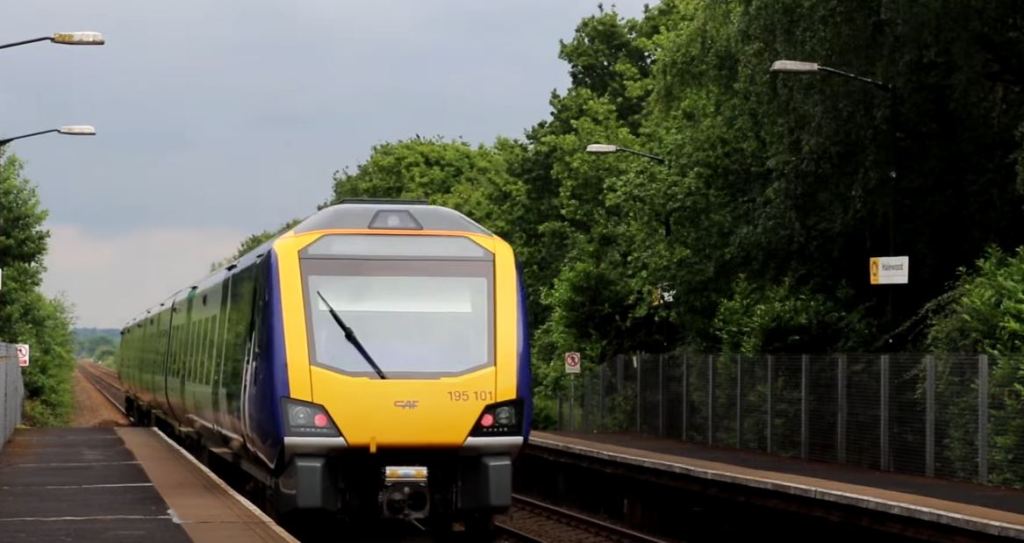
Halewood – Top Ten Least Used Railway Stations – Merseyside

Located on the Liverpool to Manchester line, the station is very close to Liverpool South Parkway to the west, and lies on the line which serves Warrington central.  This is more commonly known as the Southern route or Cheshire line.

Halewood is a relatively new station, having been only opened in 1988.  Another station was situated to slightly west, which was closed in 1951.  That station utilised a triangle junction where goods trains operated.  Despite being on a popular line, services at that station decreased significantly after the war, and so a decision was made to close it.

This current station is perched above an embankment, and is reached by a combination of winding ramps and steps, ,more on these later.  I cannot find any press cuttings or web pages relating to the opening of this station, so yet again if you know any further detail, please write in the comments below.

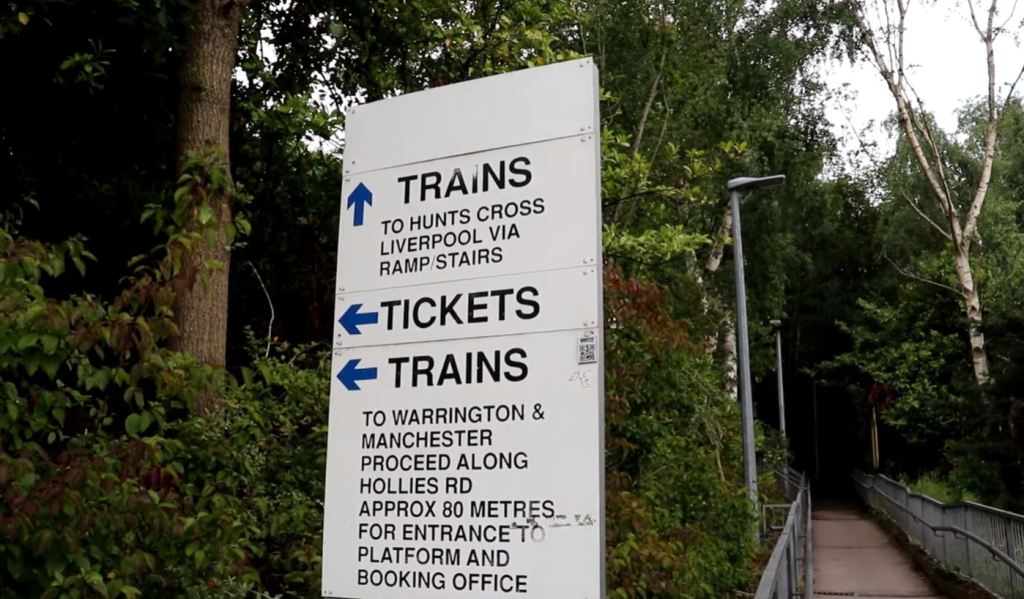
Platform information board at Halewood railway station Merseyside. Information for passengers wishing to go either to Warrington or Liverpool

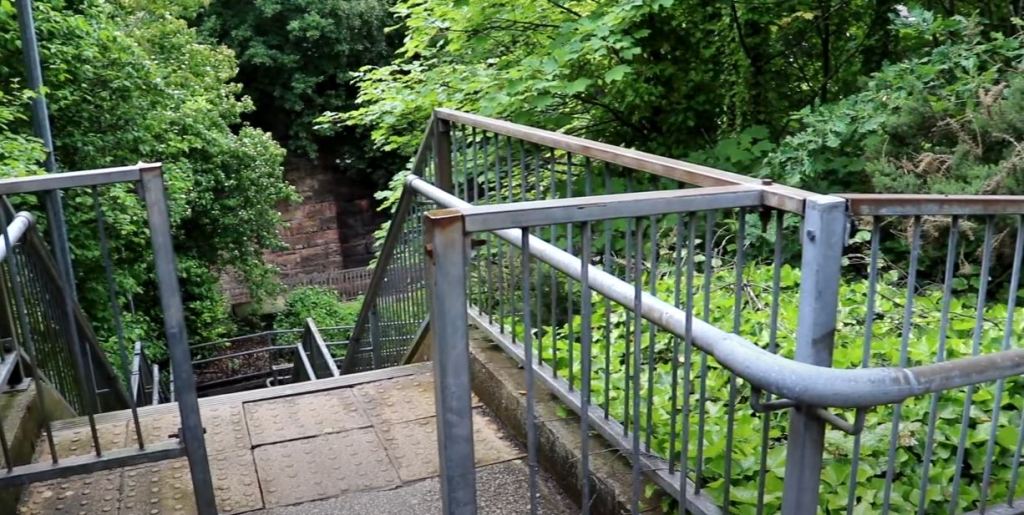
Access to the Manchester bound platform is by a series of four ramps. The first two are 25 metres, then 15 metres, then 25 metres with a rest platform between each or, via the first slope and then up two separate flights of steps with 25 steps in total.

Stairs up to the platforms at Halewood Railway Station.

Access to the Liverpool bound platform is off Hollies Road via three slopes each 50 metres long with rest platforms. Or by two flights of stairs with 18 steps with an intermediate rest platform.

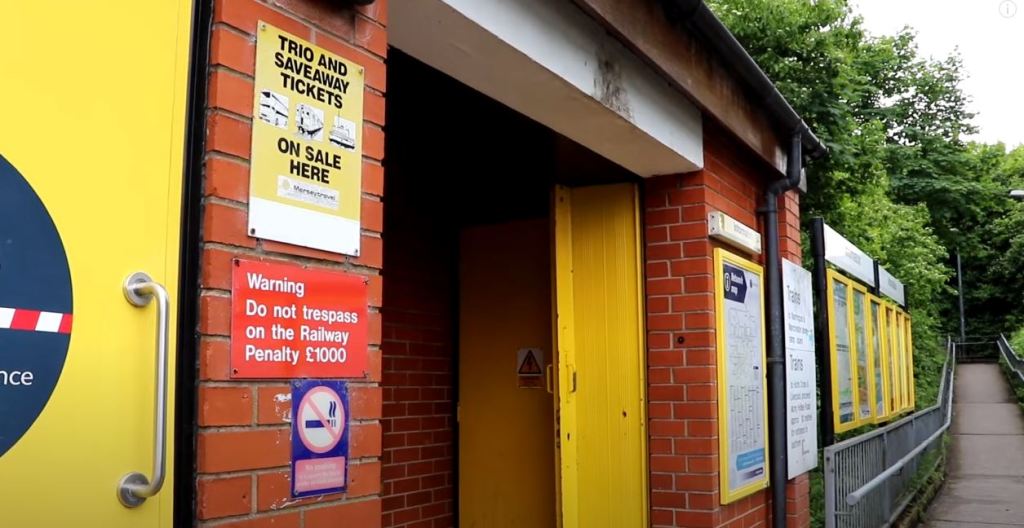
There is a small ticket office at road level, at time of writing staffed during morning peak hours.

A video featuring the station when I visited in 2022 is below :

Eccleston Park – Top Ten Least Used Railway Stations – Merseyside

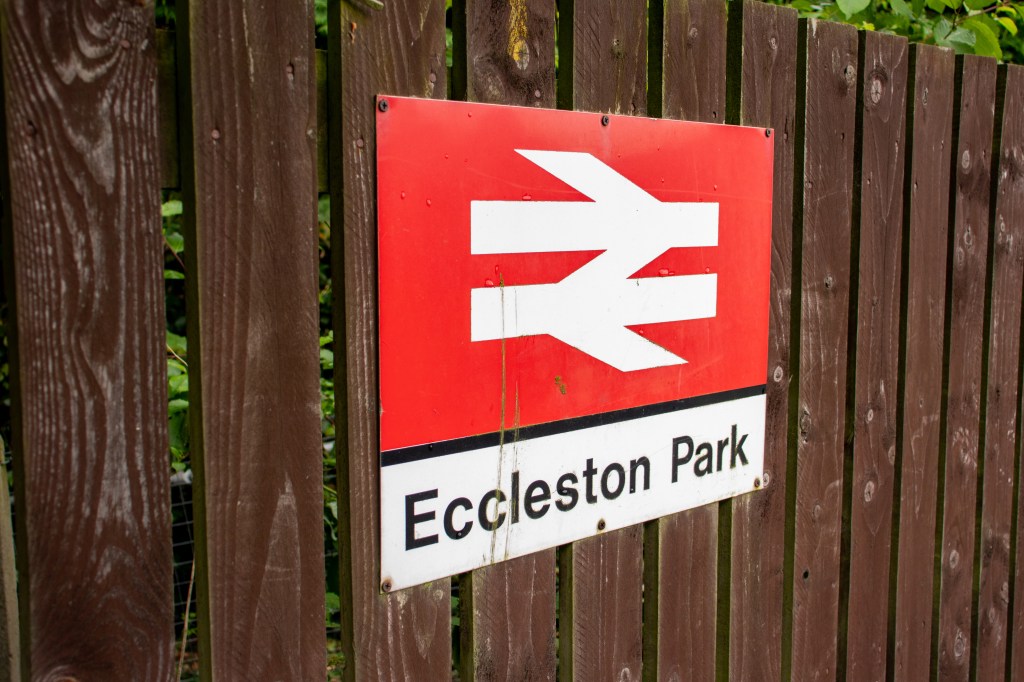
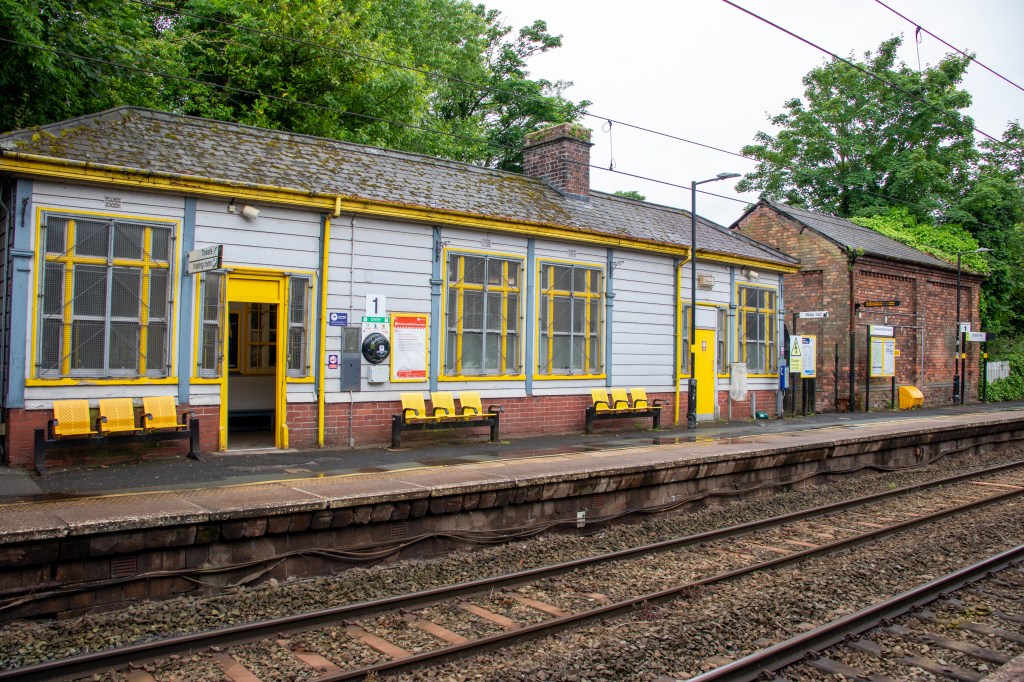
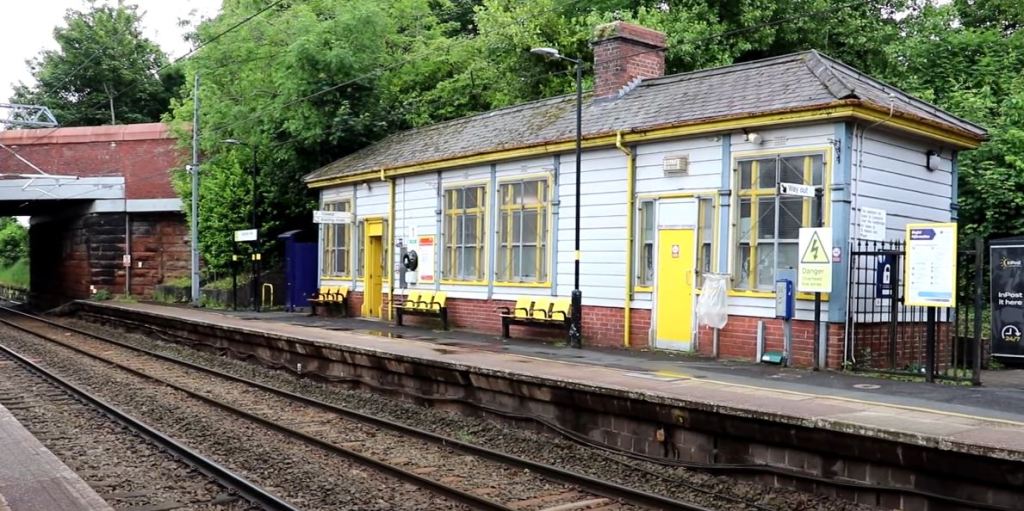
The station was opened in 1891 by the London and North Western railway, and unfortunately after research this is the only thing of note I have found about the station.  If you know any more please write a comment, I am sure that myself and other readers would be interested to know.

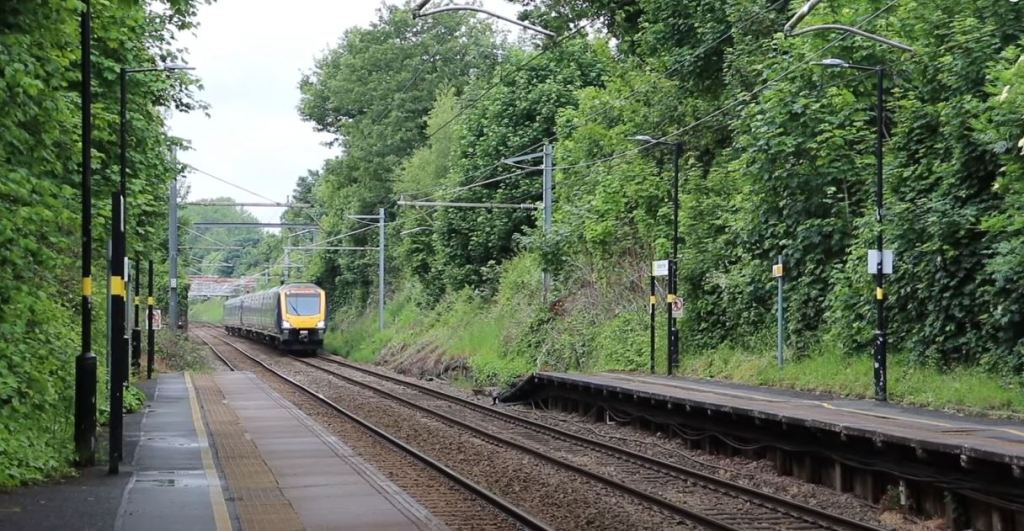
The station lies on a slight curve and has a one story station building.  Access is either a side road or ramp, the crossing of the line being done via the road bridge.  Looking at the building, although old, I have a feeling that it may not be original.

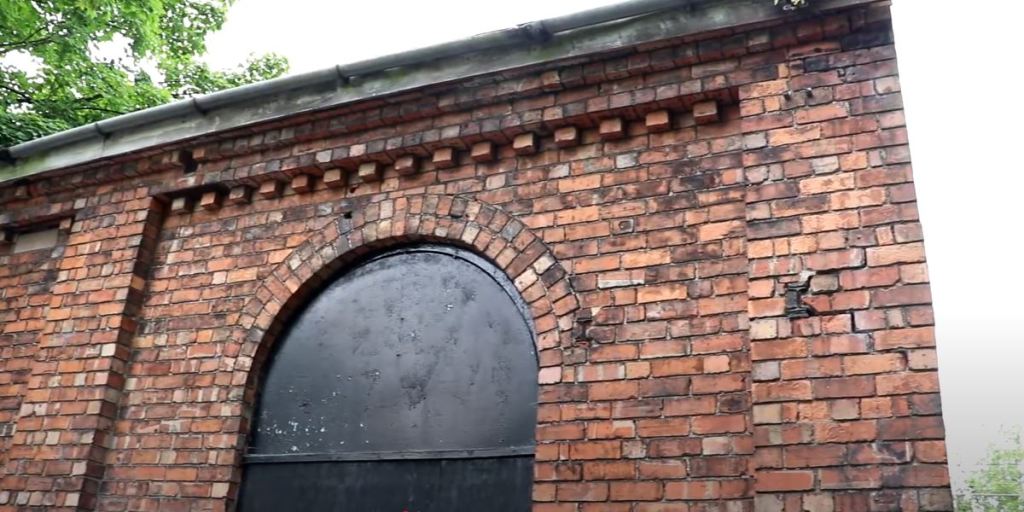
There is however an older building next door, however this seems to be a pumping station.

At time of writing, passenger traffic is provided by class 331 electric multiple units, although older class 319’s may still also be seen

A quiet station with some interesting buildings is the best way to describe Eccleston Park.  It a shame that there is no facts about history to be found, but I am sure someone will help us out on that.  For the enthusiast sight lines are good, but there isn’t much in the way of services through the station.

I have produced a video for this railway station, which can be viewed below :

Meols Cop – Top Ten Least Used Railway Stations – Merseyside

Meols Cop Railway Station Merseyside

The station was opened in 1887, as part of the Liverpool Southport and Preston junction railway.  However this was integrated in to the Lancashire and Yorkshire railway in 1897 due to financial difficulties.
The line here was an early adopter of electrification in 1909, and in 1911 more train services were introduced when the Pool Hey Junction was opened, allowing services from Wigan to Southport.

Although no goods facilities were here, freight passed through the station until 1952.

Station buildings were in the form of a large timber building, situated on the island platform, which had canopies on either side.  It was a large structure, being as it would be expected to serve a large number of passengers from the Southport suburbs.  It contained not only a booking hall, but toilet facilities and a waiting room.
The line to Preston was earmarked for closure by the Beeching report of 1963, and so by 1964 that particular line closed.  This lead to reduced services, and was the first decision that led to the decline of the station during the next thirty years.

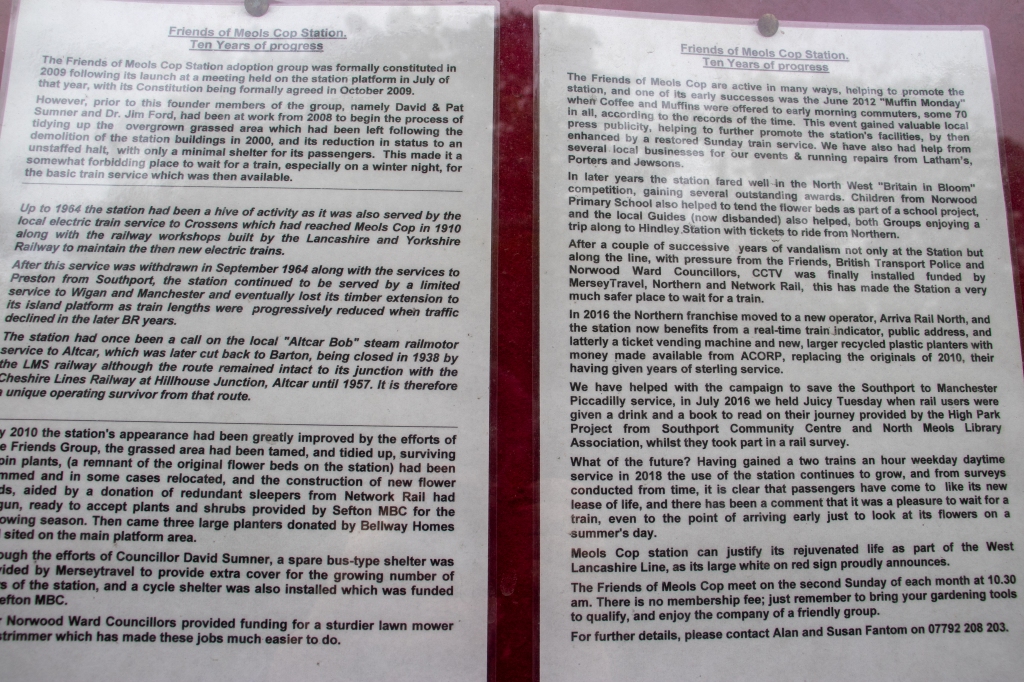
The station building was demolished in the year 2000, being replaced with simple shelters.  However, the reintroduction of a Sunday timetable in 2009, gave the station a much needed upturn in passenger numbers.  A ‘friends of Meols Cop station’ group formed in 2010, and led to the station gaining floral displays, and the general upkeep of the station has continued ever since.

Below are images taken in 2022 of the station notice board :

Meols cop is an interesting station.  Certainly it is well looked after by the station group, and new shelters and information boards show that it has not been a forgotten station.  The lack of lift however restricts its use, and so will never be busy.  The curve makes it interesting for photography, however the lack of services make interest low for the enthusiast.

The video below was filmed in 2022 :

Heswall – Top Ten Least Used Railway Stations In Merseyside

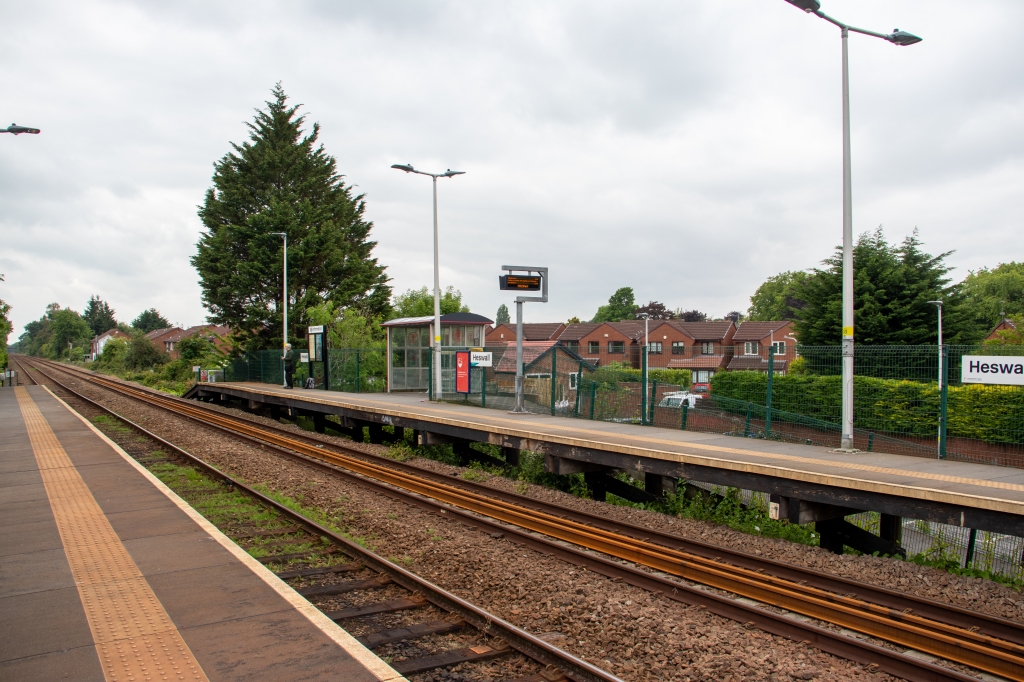
Heswall Railway Station Merseyside

The station I am covering here is the present day station on the borderlands line, and is between Neston and Upton.  Heswall used to have another station on the now extinct Birkenhead railway, and this closed in 1962.

Originally named Heswall Hills and opened in 1898, it was part of a railway between Bidston and Hawarden Bridge, and was owned by the Wirral railway and the Manchester Sheffield and Lincolnshire railway.  Eventually the line would be called North Wales and Liverpool joint railway.

Heswall Railway Station Merseyside

An extensive goods yard was provided, with sidings to the South West. This was used extensively, until the diesel railcars started operation on the line in 1960. However the yard was still used until 5 years later.  Many freight operations would continue to pass through the station however, these coming to and from Bidston dock, heavily laden with steel for the steelworks at Shotten.

It is said that these freight trains could be heard from miles away as they made their way up the nearby Storeton Bank.  This freight service did cease though around 1980.

Heswall Railway Station Merseyside

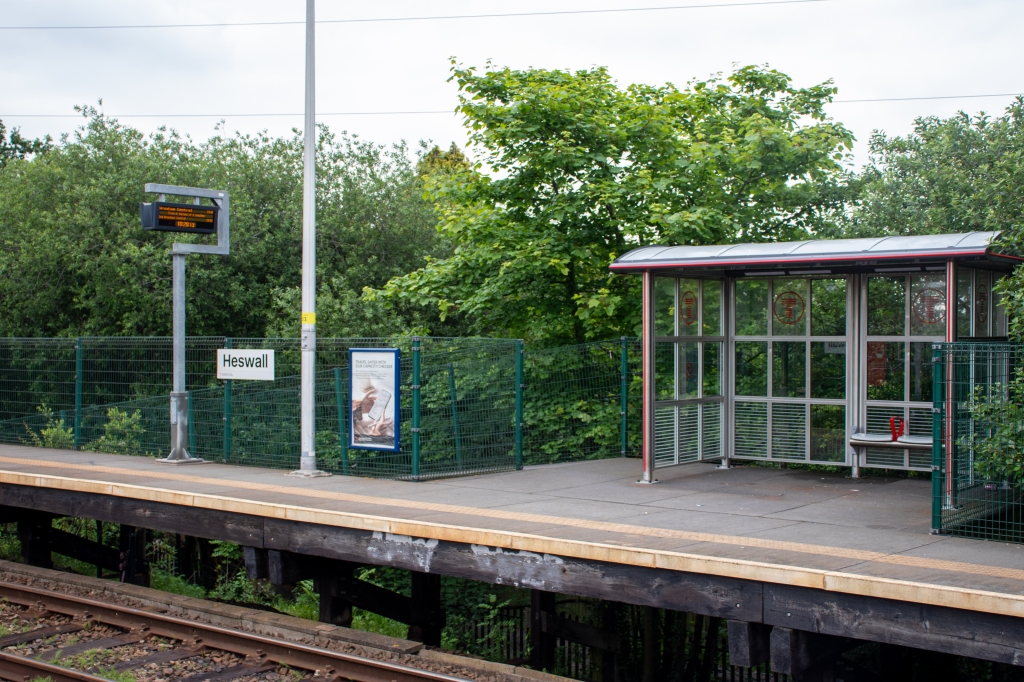
Heswall Hills was renamed Heswall in 1973, to reflect the fact that it was now the only station in the area.  It received a refurbishment in 2008.  There have been proposals to electrify the line, which would enable Merseyrail services to use it, and this would increase the service to 2 trains per hour each way, with one going to Liverpool.  This sadly has not been realised at time of writing, but hopefully will happen in the future.

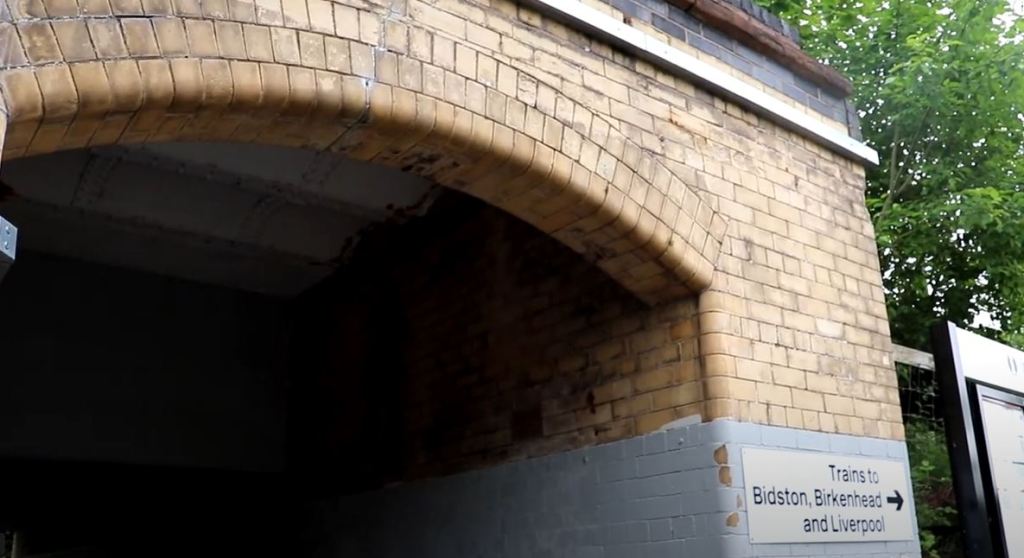
A small and quaint station, Heswall may seem a little boring at first glance, but the original features shine out like the underpass and what seems to be original wood holding the platforms.  It also benefits from being totally accessible.  Sightlines are good for the enthusiast, and generally it is quiet.

Currently (2024) passenger services are provided by a mixture of class 197 and 230 units. These replaced the Class 150 units which were filmed in 2022 in the video below :

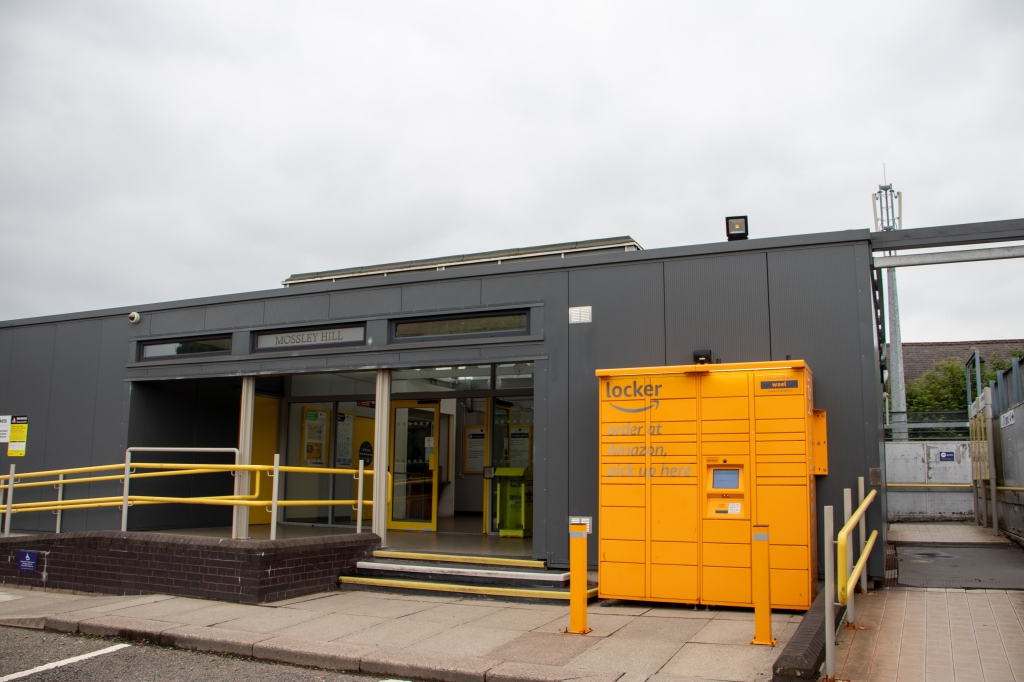
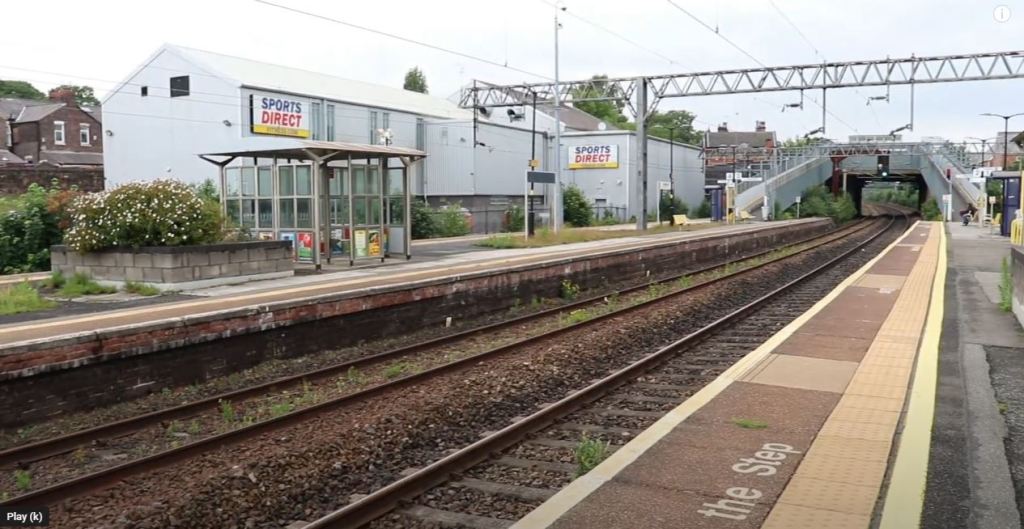
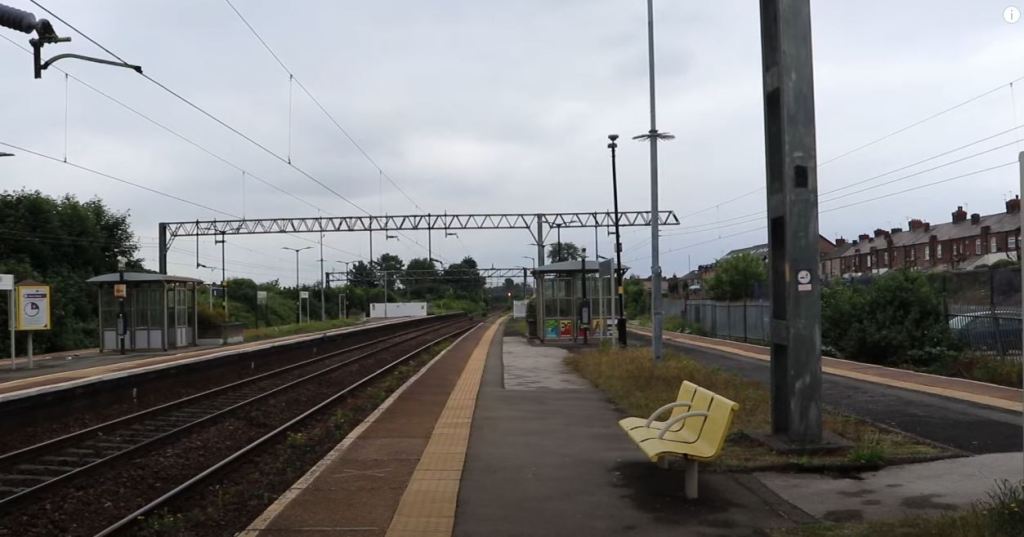
Mossley Hill – Top Ten Least Used Railway Stations – Merseyside

Mossley Hill Railway Station Merseyside

The station lies on the Liverpool to Manchester Line and is the first one after leaving Edge Hill.  The Alstom railway depot is on the line to the north just after the spur from or to Edge Hill.

Mossley Hill opened in 1864 as Mossley Hill for Aigburth.  It and Allerton were the only stations opened on the line when the St Helens Railway extension from Speke to Edge Hill opened. The entire station including platforms were replaced in July 1891, when the Edge Hill to Speke line was quadrupled.

The station was renamed from Mossley Hill for Aigburth to Mossley Hill on 6 May 1974

To the North of the station, on the route towards Edge Hill are the sites of two former stations, that of Sefton Park and Wavertree stations.

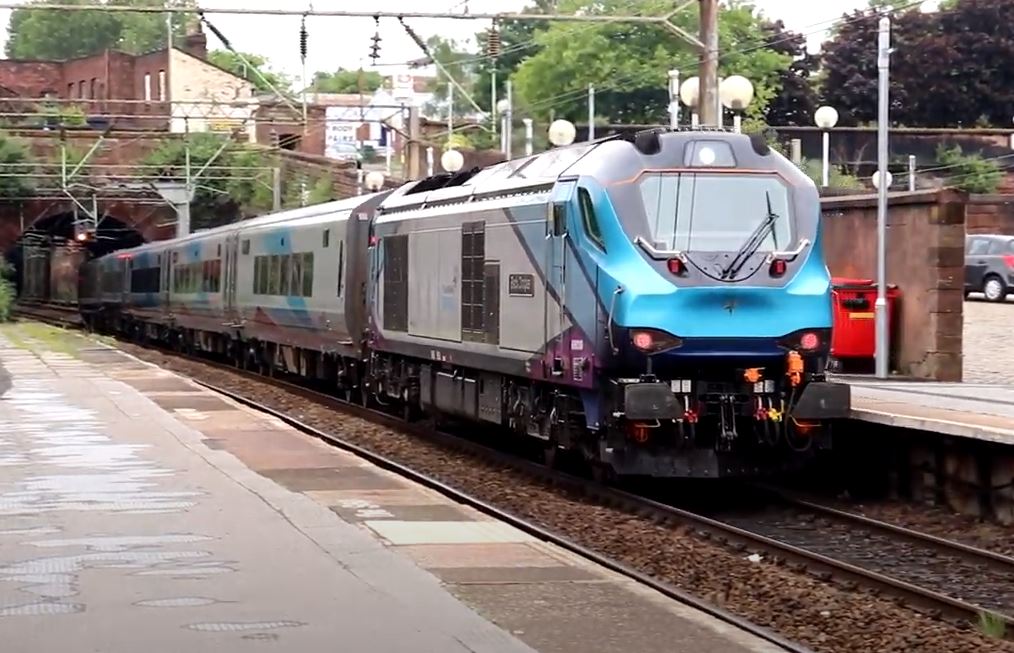
A wide variety or rolling stock can be seen from this location, and at time of writing this includes Class 150, 156 158 and 195, plus passing pendolinos. When I visited in 2022 occasional Transpennine class 68 hauled services also came through the station.

Mossley Hill has a very interesting station design.  All platforms are of an island design, and even from the outset these seem to have been reached by ramped walkways, which is obviously a great idea.  It would be nice however to see these refurbished, as the station building does look very well looked after. 

Mossley Hill Railway Station Merseyside

For the enthusiast, plenty of traffic and good sight lines make for good photography and videography.

Mossley Hill Railway Station Merseyside

Below is a video taken in 2022 when I visited the station.

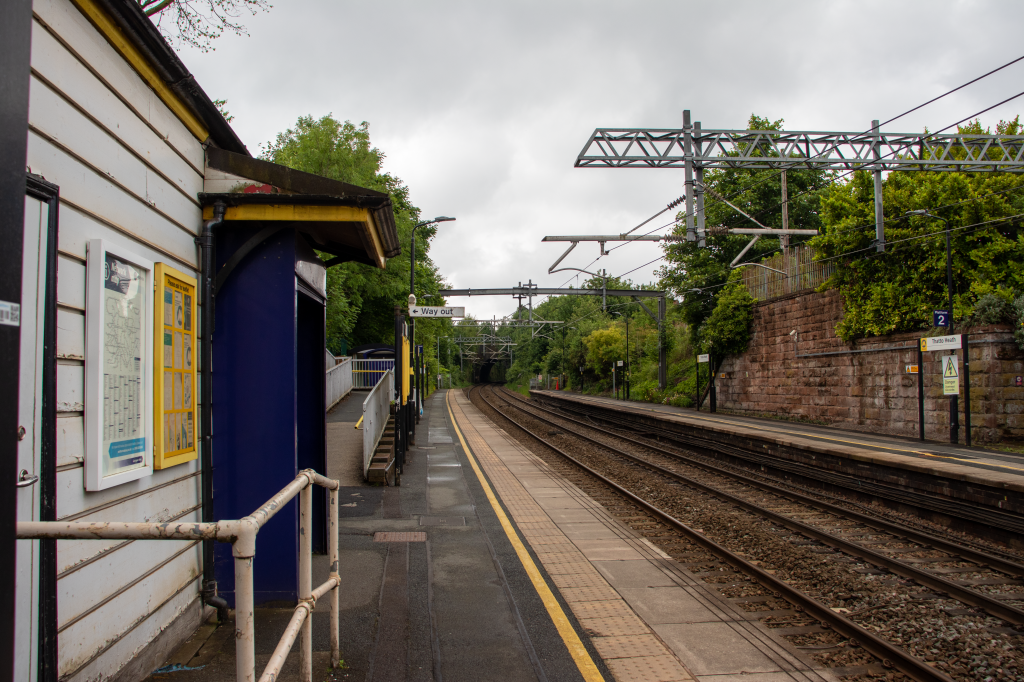
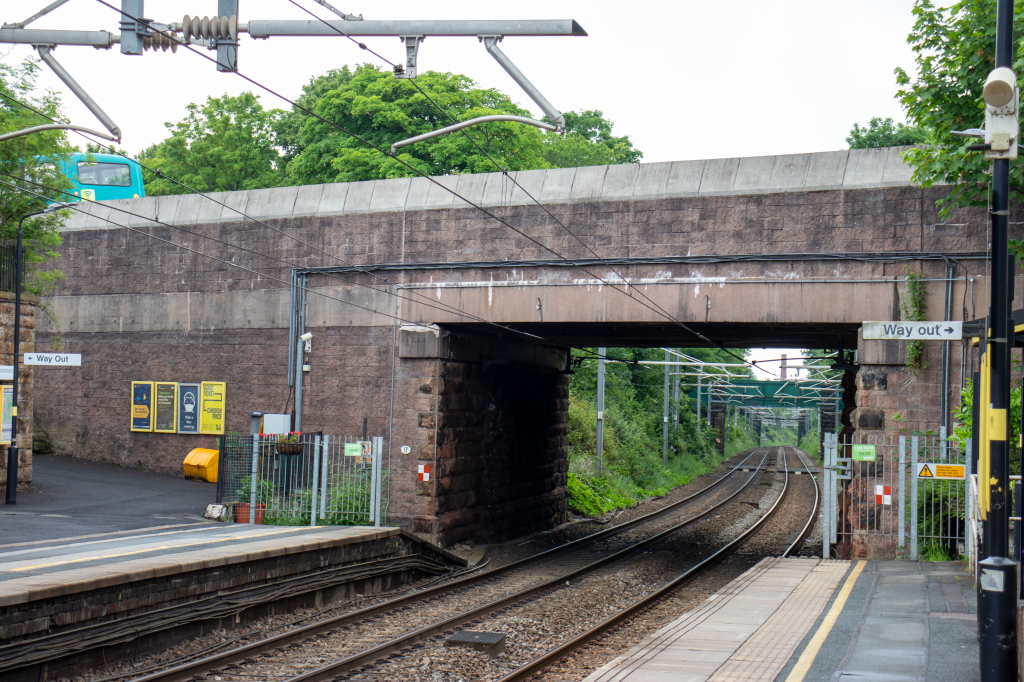
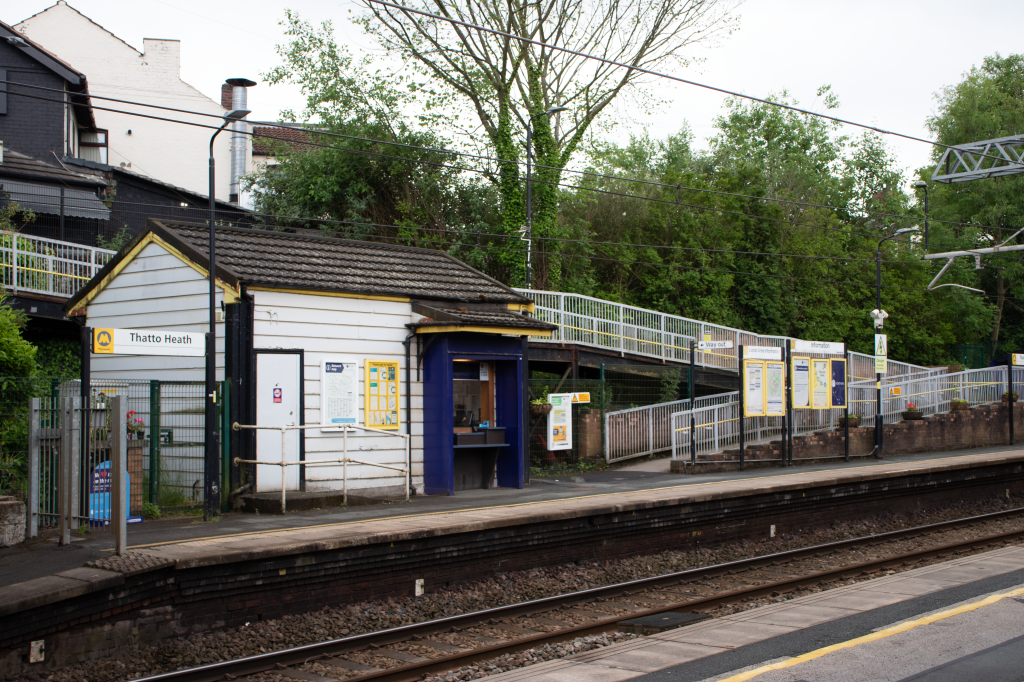
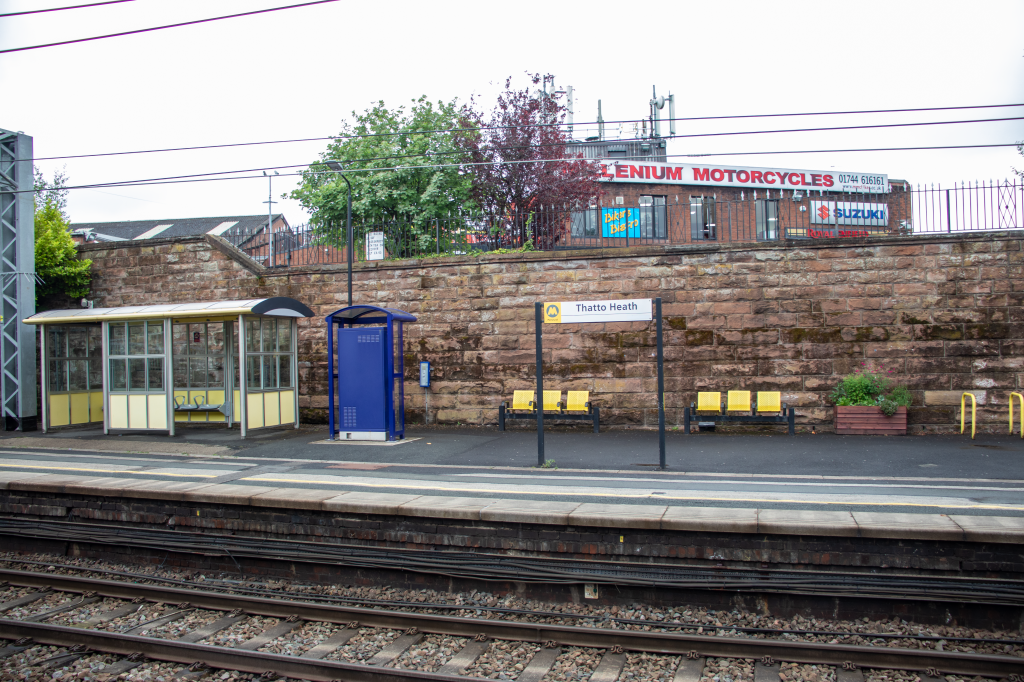
Thatto Heath – Top Ten Least Used Stations in Merseyside

Thatto Heath Railway Station

Thatto Heath is on the Liverpool to Wigan city line, the stations of St Helens Central and Eccleston Park being to the east and west respectively.

The station was opened in 1871, the same time as the line, and is set within a very slight cutting.  Extensive research as as yet to yield no other significant history surrounding the station, so if you know any different please e-mail myself so that I can update this blog, I and others would be very interested to read about the history of the station.

Thatto Heath Railway Station

It is located in the area of St Helens, and a notable claim to fame is that Thatto Heath is the birthplace of British comic actor Johnny Vegas.  As far as the station is concerned you can see it is very picturesque, with stone walling which does seem to be very well looked after.  A small ticket office exists, and this does seem quite old, but again I cannot find out whether this was the original location or not.

Thatto Heath Railway Station

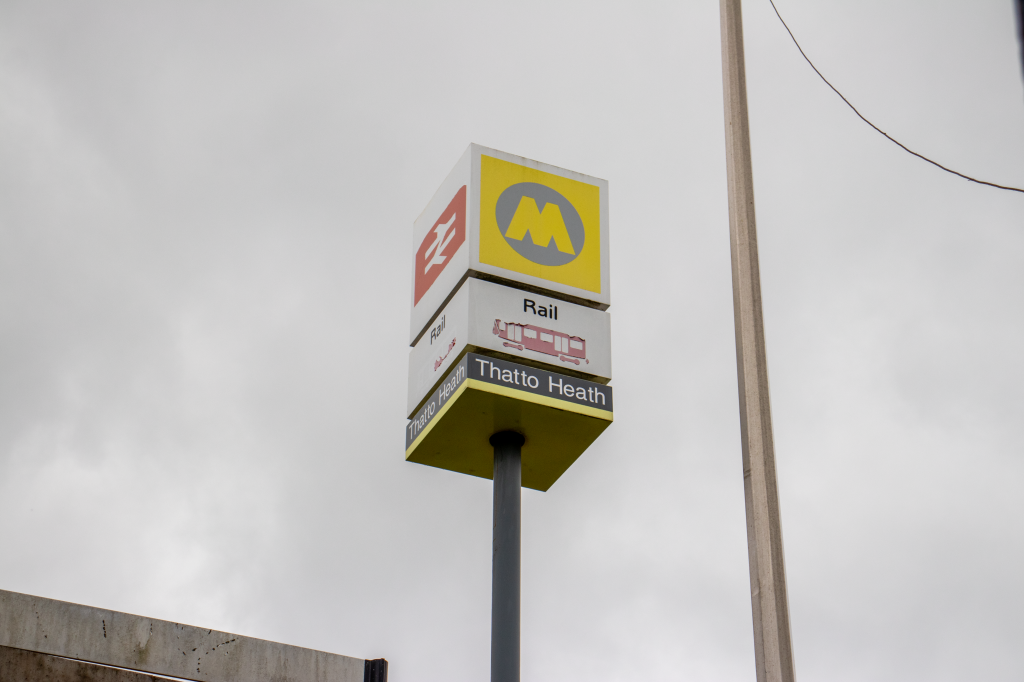
Although Northern supplies the passenger services, the station is significantly Merseyrail branded.

Thatto Heath Railway Station

I visited the station in 2022 and below is a video of the visit.

Edge Hill – Top Ten Least Used Railway Stations in Merseyside

Edge Hill is quite an important junction, but there is much more to the station than just that.

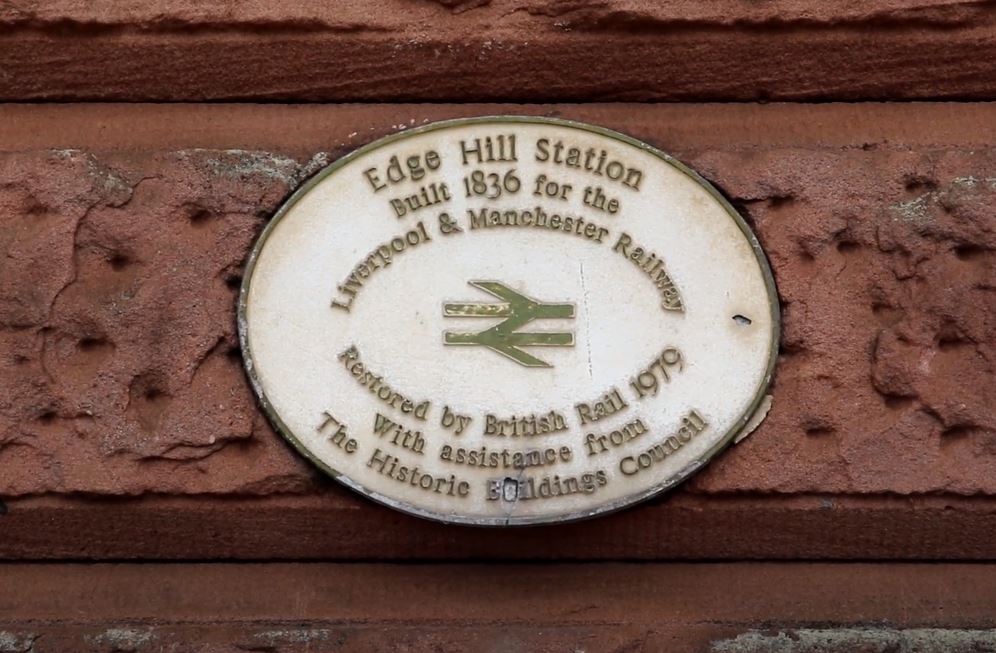
Edge Hill railway station plaque

A station has been at Edge hill since 1930, and that station was the site of the first passenger station in the world.  It had a stationary steam engine which would winch engines up from Wapping Dock. 

The Edge hill station which stands here today opened in 1836, a little further to the North West than that initial station.  A selection of tunnels moves away from the station to the main Liverpool lime street station.  Up until the 1870’s, these trains were still moved to and from Liverpool Street by means of two brakesman going down into Lime Street, and by a rope winding engine on the uphill section.

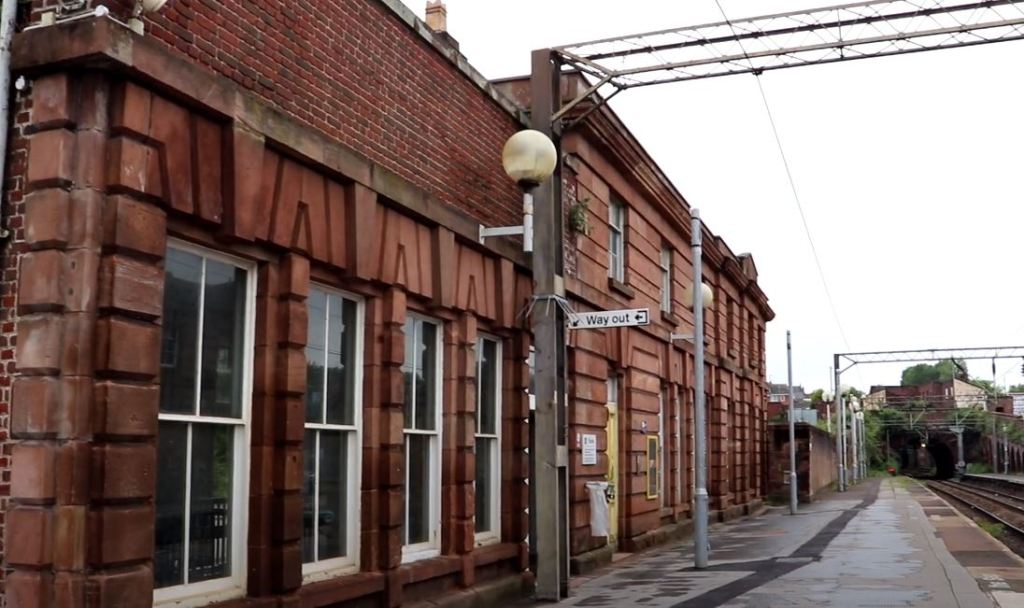
Edge Hill Railway Station

Extensive sidings have been in use throughout the stations life, and many are still in use today.

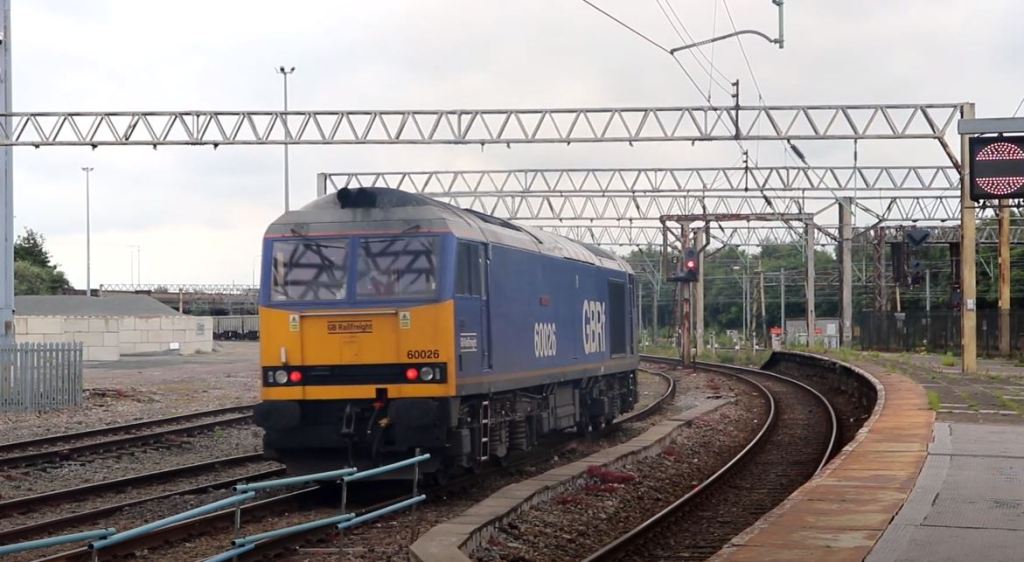
Class 60 at Edge Hill Railway Station

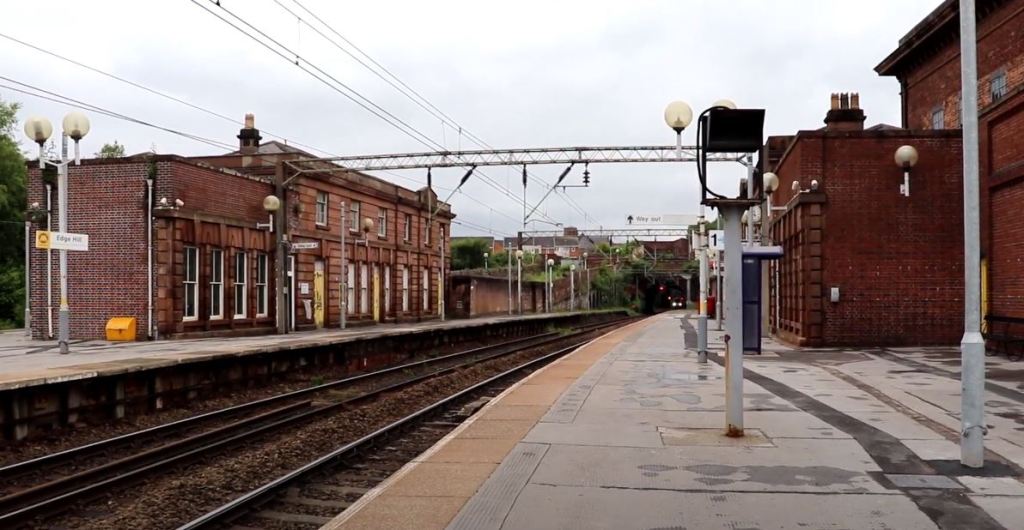
Edge Hill’s design is that of two island platforms, both of which still have their original 1836 buildings.  They are in excellent condition, and as always this is very nice to see.  In fact, they are the oldest station buildings still in use and are grade 2 listed.

Edge Hill Railway Station

The two platforms are linked by a subway, and the buildings on platforms 3 and four are being used by an art studio.  Unfortunately there is no step free access to these platforms.

At time of writing, stopping services to all areas are provided by class 150, 156, and 319 and 323’s on most routes, but the newer class 195 and 331’s can also be seen. Also Avanti west coast Pendolinos and Class 802 Pennine Expresses often pass through.

Class 68 at Edge Hill Railway Station

Edge hill has such a rich history, and a lot of it is on show.  It still has important junctions and sidings, which keep it alive.  Although probably not as busy as it was fifty or so years ago, the interchanges it provides for the traveller are still important.  It’s a shame not all the platforms are fully accessible, but this may come in time.  Obviously for the enthusiast, a vast variety of traction can be seen, and the quiet nature of the station lends itself to videography well.

Below is a video which I produced to showcase Edge Hill, lots of traffic passes in this one!

Many thanks for reading and remember :

“If you can, get out there, get on the railway, and see where it take you” (c)

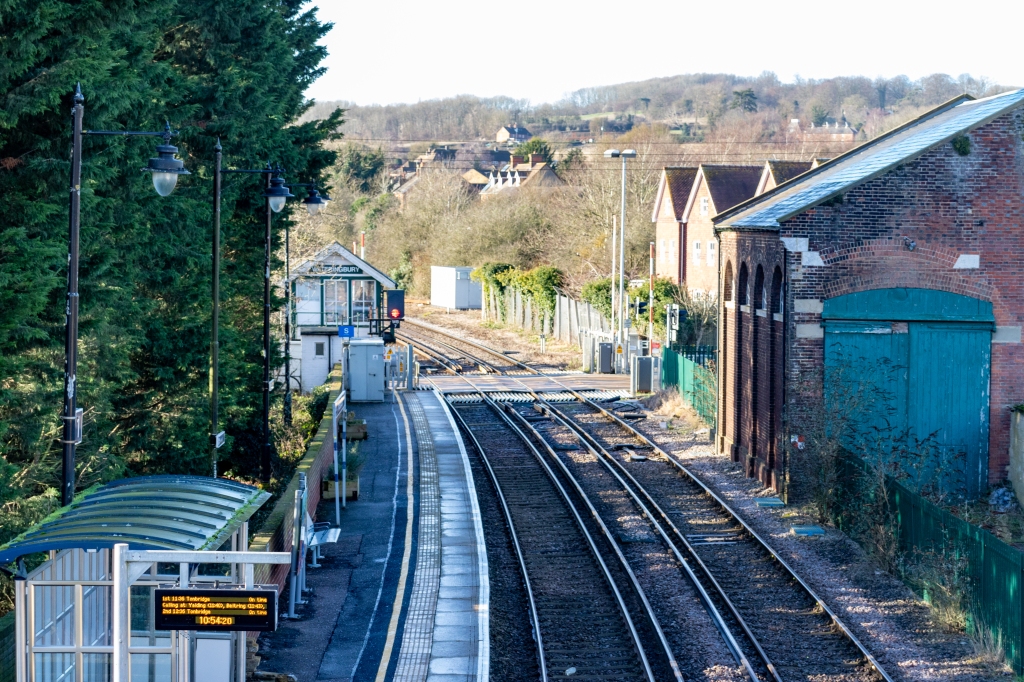
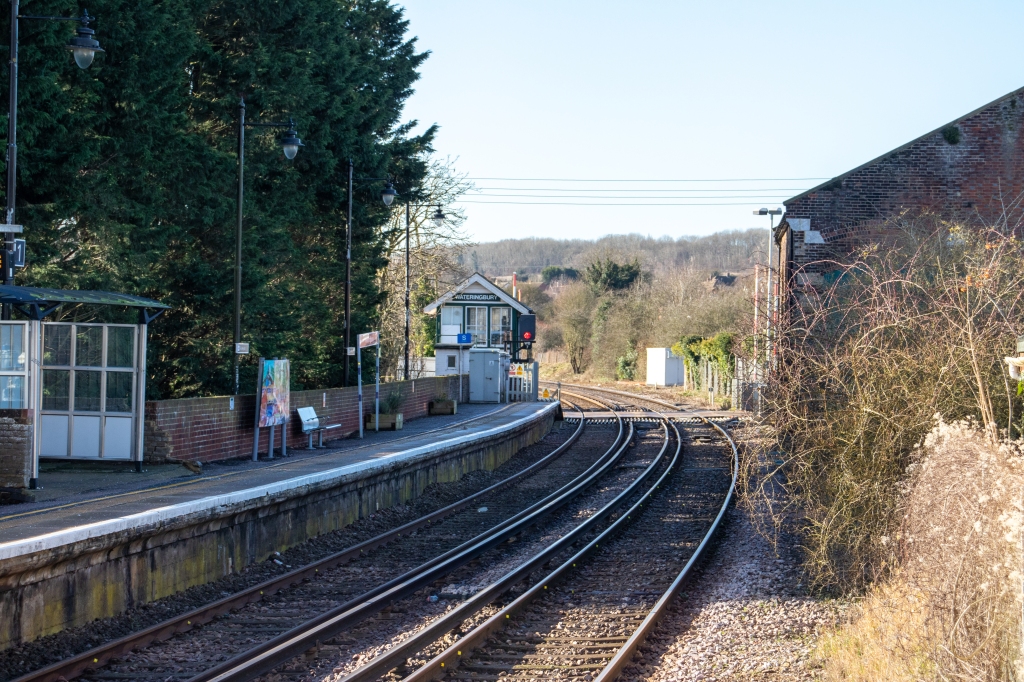
Wateringbury Railway Station | Along The Railway Line | Medway Valley Line

The station was opened in 1844 by the South East Railway, and it was to become one of the more eye catching stations on the line, being as it nestled right next to the river Medway.

Wateringbury railway station

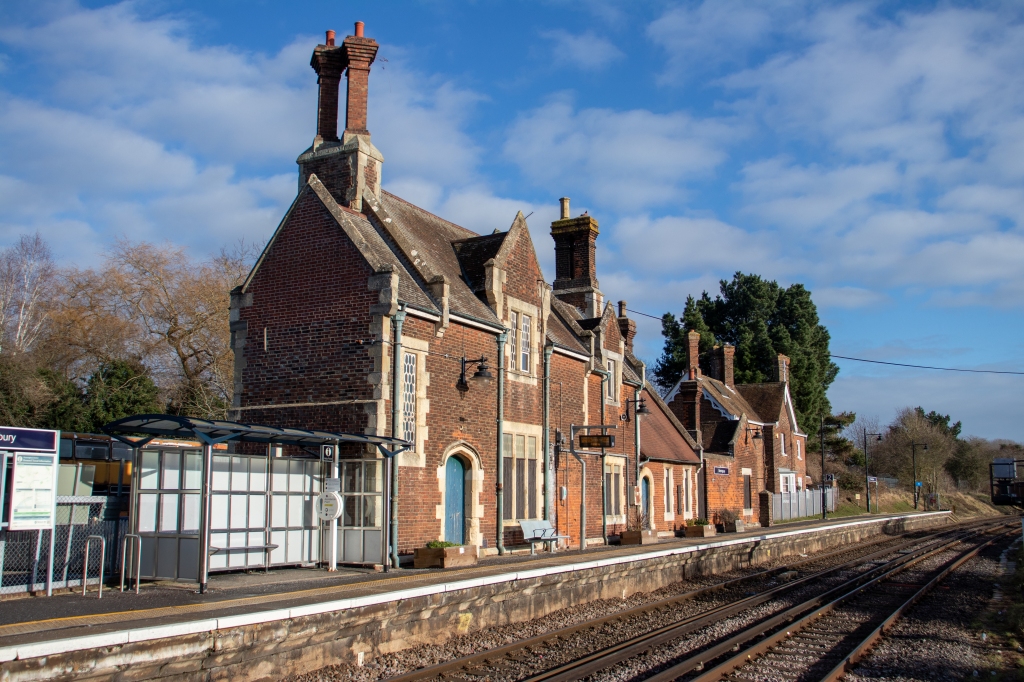
It started life however as just a dropping off point with a basic wooden platform and no facilities.  This changed quite quickly however, as an imposing yet beautiful two story red brick station building was erected on newly brick built platforms on the Strood bound side.  Mock Tudor in design, it certainly stands out proudly overlooking the river.  A similar style building would later be built at Aylesford, however this would be made from Kentish ragstone.  A station masters house was built next door, of similar but smaller design.

Freight facilities were excellent here, with a double tracked goods shed, which frequently was used by the local brewery for transportation. The yard lasted until 1963; however the time of writing, the building is still used today by Network Rail for storage, ensuring this grand building still stands.

Wateringbury goods shed

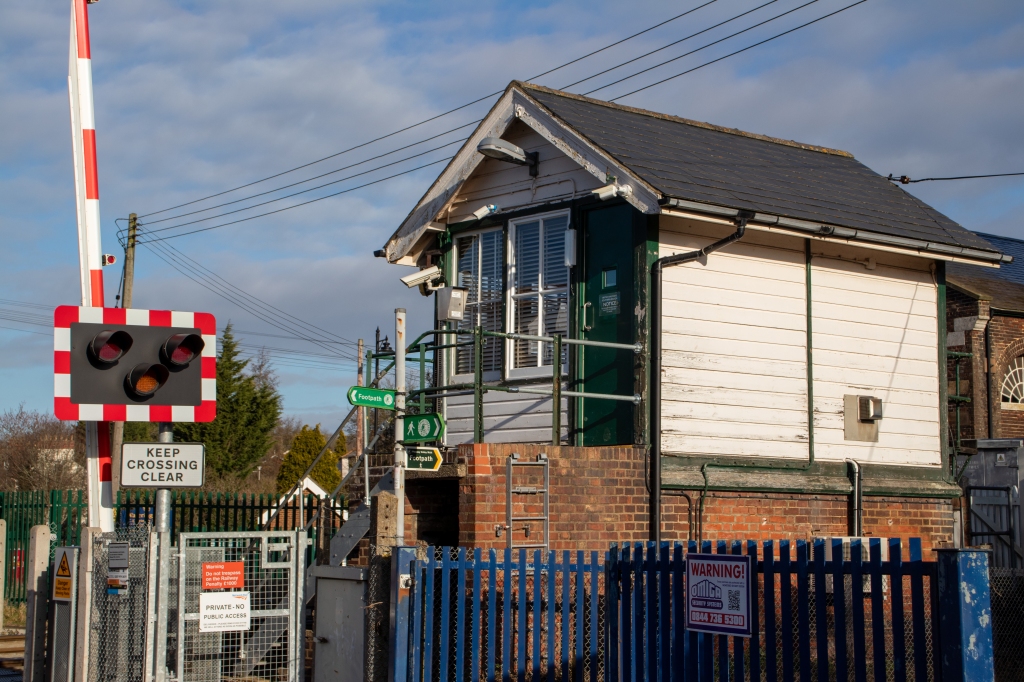
The fine signal box was installed in 1892, manual gates being provided, and these remained until automatic barriers were installed in the 2010’s.

Wateringbury signal box

Another thing of interest is that the station didn’t get a footbridge until the 1960’s, when the foot crossing was deemed unsafe after the line was electrified. Also it was one of the last stations on the line to retain semaphore signals, these being replaced in 2005, as part of a re-signalling scheme.

At time of writing, passenger traffic is provided by class 375 electric multiple units.

Wateringbury is a superb station to visit.  The old signal box and goods shed alone would make it interesting, but couple that with the elaborate Grade 2 listed station building, and of course the fabulous views across the river Medway, make time here a pleasure.  Sight lines for the enthusiast are excellent, whether at platform or bridge level, so photography and videography will gain you great results.

Here is a video of the station, filmed by myself in 2022 :

Thanks for reading, come back soon and remember:

“If you can, get out there, get on the railway, and see where it takes you” (c)

Maidstone Barracks Railway Station | Along The Railway Line | Medway Valley Line

( 2021-2022 entry / exit figures : 176 148 )

Maidstone barracks railway station

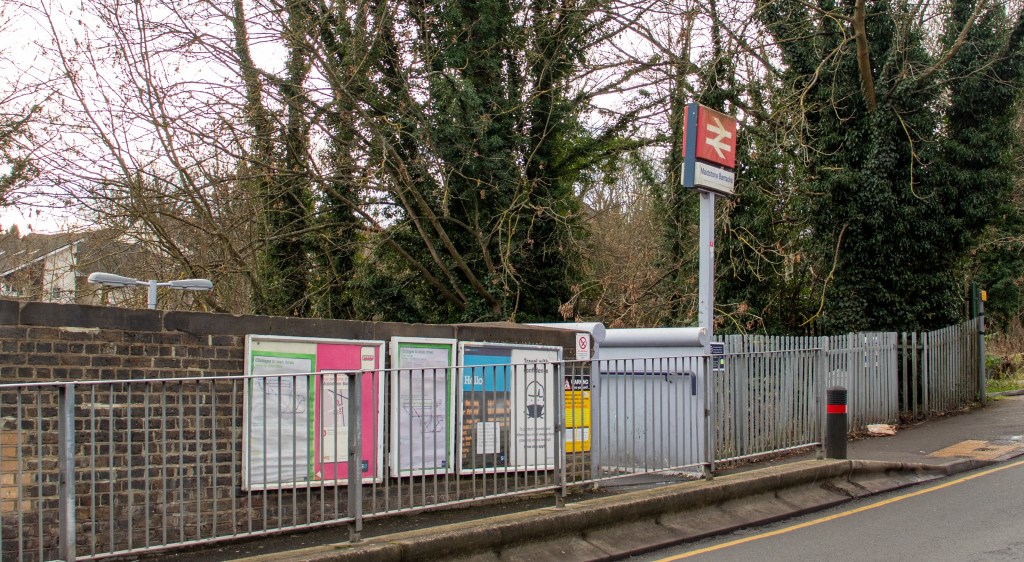
The station was opened in 1874, a little later than others on the line, and was originally named ‘barracks’ after the Invicta Parks Barracks nearby.  A simple wooden platformed affair, both platforms were to be accessed by the road bridge via wooden steps.

It wouldn’t be long until a basic wooden station building was built on the Strood bound platform in 1876.  This had a canopy extending along it, and toilet facilities.  Goods facilities were provided a year later, running along side the paddock wood bound side, and these were further enhanced with two further sidings serving the malt houses.

Electrification arrived in the late 1930’s, and this extended to the sidings, which also gained concrete pathways.  These would be used to store Electric Multiple Units.  The platforms were also rebuilt in to concrete structures around the same time.

Maidstone barracks railway station

The early 1960’s saw a replacement of the wooden steps on the bridge to concrete ones, and unfortunately this is also when the Malt house sidings became disused.  It was mainly downhill from here on in, as the 1980s saw the canopy reduced in length and the Multiple unit sidings closed.

The 1990s saw the buildings demolished, to be replaced only simple shelters, and little has changed since, the remaining sidings being have now gone and replaced by industrial units.

Maidstone barracks railway station

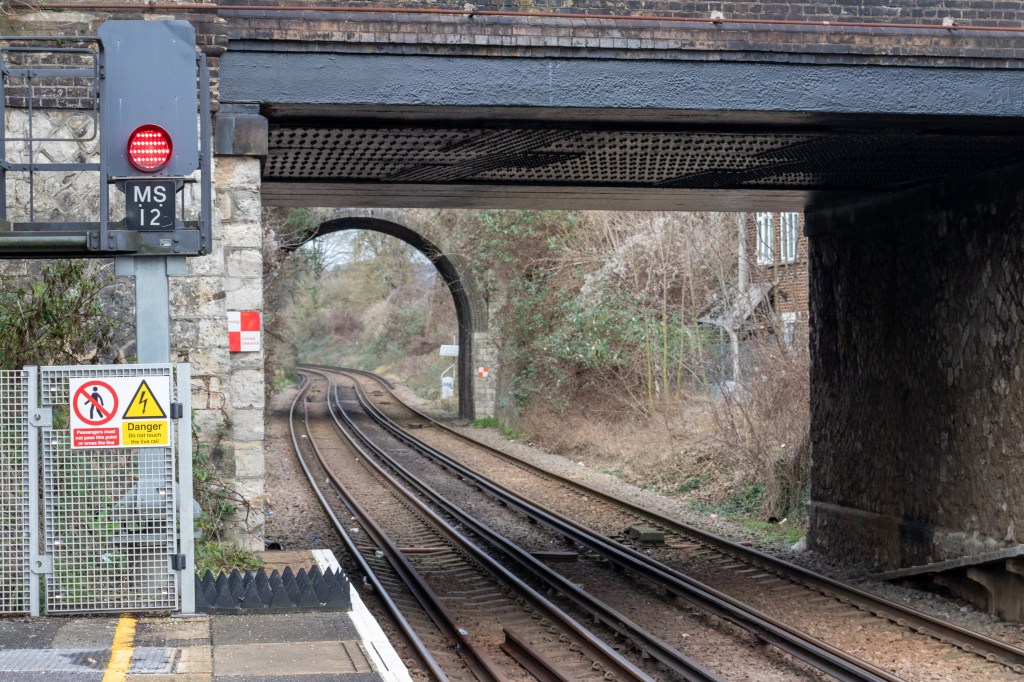
The bridge you see below carries the Kent Downs line, and can offer some good photographs if the timing is right. 

Maidstone barracks railway station view towards Kent downs line bridge

At time of writing, passenger services are provided by class 375 electric multiple units, at a frequency of two per hour in each direction.

Although now quite a baron station, the fact of the two running bridges being close together, give this station a unique standing compared to others on the line.  A distinct lack of parking makes this station only really accessible by foot or rail, but good, and indeed unique, views of rolling stock can be had here, however the surroundings are quite noisy so photography rather than videography is probably the best option.

Below is a video taken at the station :

Click for the Kent Community Rail Partnership